 Inicio
 Campanilla y el Gran Rescate
 Ropa
 Materiales

 Minijuegos
 Fases de acción
 Texto del juego
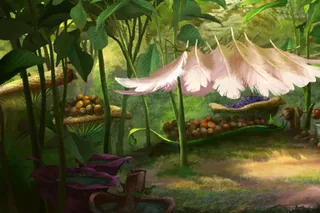 Mapas
Sitio web e investigación de los juegos por 101Leafy.
Capítulo 1
Texto de Capítulo 1 de Campanilla y el Gran Rescate: 211 líneas en Inglés, Francés, Alemán, Español, Italiano, Neerlandés, Japonés.
Escenas de la historia
- 1
¡Qué bien que hayas encontrado la semilla tan deprisa!
- Inglés
- I'm so glad you found the seed so quickly!
- Francés
- Comme je suis heureuse que tu aies trouvé la graine aussi vite !
- Alemán
- Ich bin froh, dass du den Samen so schnell gefunden hast!
- Italiano
- Sono davvero felice che tu abbia trovato il seme così in fretta!
- Neerlandés
- Ik ben blij dat je het zaadje zo snel hebt gevonden!
- Japonés
- それにしてもすごいわ!こんなにはやく タネをみつけるなんて!
- 2
Se convertirá en una hermosa flor.
- Inglés
- It sure made a pretty flower.
- Francés
- Elle a donné une fleur magnifique.
- Alemán
- Daraus ist wirklich eine schöne Blume geworden.
- Italiano
- Sono sicura che diventerà un fiore bellissimo.
- Neerlandés
- Er is een prachtige bloem uit gegroeid.
- Japonés
- 「なつのかおりのユリ」……とても かわいらしかったわ!
- 3
¿Pero dónde estará la siguiente? ¿Qué dice el poema?
- Inglés
- But what about the next one? What does the poem say?
- Francés
- Mais qu'en est-il de la suivante ? Que dit le poème, déjà ?
- Alemán
- Aber was ist mit dem Nächsten? Wie heißt es im Gedicht?
- Italiano
- E il prossimo? Che cosa dice la poesia?
- Neerlandés
- Maar hoe zit 't met 't volgende? Wat staat er in 't gedicht?
- Japonés
- だけど、つぎのタネは どうするの?「うた」では、なんていっているのよ?
- 4
Cariño, creo que sé dónde empezar a buscar.
- Inglés
- Sugar, I think I know where to start looking.
- Francés
- Ma puce, je crois que je sais où chercher.
- Alemán
- Süße, ich denke ich weiß, wo wir suchen müssen.
- Italiano
- Zuccherino, credo di sapere da dove iniziare la ricerca.
- Neerlandés
- Suikerrietje, ik denk dat ik weet waar we moeten zoeken.
- Japonés
- あ! わたし、つぎにどこをさがせばいいか わかったわ!
- 5
Al doblar la curva hay una Parcela de margaritas.
- Inglés
- There's a Daisy Patch just around the bend.
- Francés
- Le Champ pâqueretté se trouve derrière ce tournant.
- Alemán
- Hinter der Biegung liegt eine Gänseblumenwiese.
- Italiano
- C'è un Campo di margherite dietro l'angolo.
- Neerlandés
- Vlak achter die bocht ligt een Madeliefveldje.
- Japonés
- はなでみちあふれたばしょ……キャンプのちかくにある「かだん」のことよ!
- 6
¡Solo necesitamos encontrar una flor distinta a las demás!
- Inglés
- We just need to find a flower unlike the rest!
- Francés
- Il ne nous reste plus qu'à trouver une fleur différente des autres !
- Alemán
- Wir müssen nur eine Blume mit einer besonderen Form finden!
- Italiano
- Dobbiamo solo trovare un fiore diverso dagli altri!
- Neerlandés
- We hoeven alleen maar een bloem te vinden die anders is!
- Japonés
- そこで ほかとはちがう「はな」を さがせばいいんだわ!
- 7
No te preocupes. Te ayudaré a buscarla para el Jardín del verano.
- Inglés
- Don't worry, I'll help you get it for the Summer Garden.
- Francés
- Ne t'inquiète pas, je vais t'aider à la trouver pour le Jardin d'été.
- Alemán
- Keine Sorge, ich helfe dir und wir suchen sie für den Sommergarten.
- Italiano
- Non preoccuparti: ti aiuterò a trovarne uno per il Giardino Estivo.
- Neerlandés
- Maak je geen zorgen, ik help je hem te vinden voor de Zomertuin.
- Japonés
- こんどはわたしが あなたのにわづくりの おてつだいをするわね。
- 8
Me adelantaré para echar un vistazo.
- Inglés
- I'll go on ahead and check it out.
- Francés
- D'ailleurs, je vais commencer les recherches tout de suite.
- Alemán
- Ich gehe hin und sehe nach.
- Italiano
- Vado avanti io a dare un'occhiata.
- Neerlandés
- Ik ga vooruit om alvast te kijken.
- Japonés
- 「かだん」に さきにいってしらべておくわ!
- 9
Bueno, tenemos que seguir trabajando. ¡Hasta luego!
- Inglés
- Well, we should get back to work. See you around!
- Francés
- Bon, remettons-nous au travail. À plus tard !
- Alemán
- Nun, wir sollten uns wieder an die Arbeit machen. Bis bald!
- Italiano
- Beh... dovremmo tornare al lavoro. A presto!
- Neerlandés
- We moeten weer aan het werk. Tot later!
- Japonés
- じゃあ、わたしたちは しごとにもどるわ。がんばってね!
- 10
Si por casualidad necesitas del lirio perenne semillitas,
- Inglés
- If you find yourself in need of the Everbloom Lily seed,
- Francés
- Si un jour il faut que tu prennes du Lis immortel la graine,
- Alemán
- Suchst du einen Samen der Immerblühenden Lilie,
- Italiano
- Di un bel sempreverde giglio cerchi il seme? Ecco un consiglio!
- Neerlandés
- Voor het zaad van de Immer- bloesemlelie zoek je 't best
- Japonés
- 「しきざきのユリ」のタネをこころから ひつようとするなら……
- 11
entre las margaritas encontrarás una distinta de las demás.
- Inglés
- in a daisy patch, begin your quest for a seed shaped unlike the rest.
- Francés
- un Champ pâqueretté arpente où cherche graine différente.
- Alemán
- geh zur Gänseblumenwiese, dort findest du diese Blumenfamilie.
- Italiano
- Nel campo di margherite scova un seme dalla forma tutta nuova.
- Neerlandés
- in een Madeliefveldje naar 'n zaadje dat anders is dan de rest.
- Japonés
- はなに みちあふれたばしょで、ほかとはことなるすがたの「はな」をさがしなさい。
- 12
¿Podrías ayudarme a buscar una cosa?
- Inglés
- Could you help me find something?
- Francés
- Pourrais-tu m'aider ? Je cherche quelque chose.
- Alemán
- Kannst du mir beim Suchen helfen?
- Italiano
- Puoi aiutarmi a trovare una cosa?
- Neerlandés
- Kun je me helpen iets te vinden?
- Japonés
- おねがい! さがしものをてつだってくれない?
- 13
Se me han caído por aquí dos materiales para confeccionar ropa.
- Inglés
- I dropped two outfit materials somewhere around here.
- Francés
- J'ai égaré deux matériaux de tenue dans les environs.
- Alemán
- Ich habe irgendwo zwei Materialien für meine Kleidungstücke verloren.
- Italiano
- Mi sono caduti due materiali tessili da qualche parte qui intorno.
- Neerlandés
- Ik heb hier ergens twee outfit- materialen laten vallen.
- Japonés
- 「ふく」のざいりょうを 2つこのあたりで おとしてしまったの。
- 14
Busco un Pétalo rosa y un Hilo rosa.
- Inglés
- I'm looking for a Pink Petal and Pink Thread.
- Francés
- Il s'agit d'un Pétale rose et de Fil rose.
- Alemán
- Ich suche ein rosa Blütenblatt und einen rosa Faden.
- Italiano
- Cerco un petalo rosa e un filo rosa.
- Neerlandés
- Ik zoek een roze bloemblaadje en roze garen.
- Japonés
- おとしたのは「ピンクのはなびら」と「ピンクのいと」よ。
- 15
¿Puedes echar un vistazo en la Zona de trabajo y en la Cañada comedor?
- Inglés
- Could you check the Work Area and the Dining Glen for me?
- Francés
- Pourrais-tu aller voir dans l'Atelier et dans la Vallée réfectoire ?
- Alemán
- Würdest du beim Arbeitsbereich und auf dem Essensplatz nachsehen?
- Italiano
- Daresti un'occhiata nell'Area di Lavoro e nella Valle da Pranzo?
- Neerlandés
- Kun jij voor mij in het Werkgebied en de Maaltijdvallei kijken?
- Japonés
- あなたは「さぎょうば」と「ダイニング」を さがしてみて。
- 16
Yo buscaré por aquí. Si los encuentras, avísame.
- Inglés
- I'll keep on looking here. If you find them, let me know.
- Francés
- Je poursuis les recherches ici. Préviens-moi si tu les trouves.
- Alemán
- Ich werde hier suchen. Wenn du sie findest, lass es mich wissen.
- Italiano
- Io continuo a cercarli qui. Se li trovi, fammelo sapere.
- Neerlandés
- Ik blijf hier zoeken. Als je ze vindt, laat het me weten.
- Japonés
- わたしは ここでさがしつづけるからもしみつけたら こえをかけてね。
- 17
¡Vaya! ¿Las has encontrado? ¡Muchísimas gracias!
- Inglés
- Wow, you really found them? Thank you so much!
- Francés
- Tu les as retrouvés ! Merci infiniment !
- Alemán
- Wow, du hast sie gefunden? Vielen Dank!
- Italiano
- Wow, li hai trovati davvero? Grazie mille!
- Neerlandés
- Wow, je hebt ze echt gevonden? Dank je wel!
- Japonés
- すごいわ!ほんとうに みつけてくれたのね!
- 18
¡Ya puedo confeccionar la prenda!
- Inglés
- Now I can make the outfit!
- Francés
- Je vais pouvoir confectionner la tenue !
- Alemán
- Jetzt kann ich das Outfit machen!
- Italiano
- Ora posso creare l'abito!
- Neerlandés
- Nu kan ik de outfit maken!
- Japonés
- あなたのおかげであたらしい「ふく」が つくれるわ。
- 19
¡Oh, pero ahora debo ir a trabajar! ¿Qué voy a hacer...?
- Inglés
- Oh, but I have to go to work now! What'll I do...?
- Francés
- Oh, mais je dois retourner travailler ! Que vais-je faire...
- Alemán
- Oh, aber ich muss jetzt arbeiten! Was soll ich nur tun ...?
- Italiano
- Oh, ma ora devo andare a lavorare! Che cosa posso fare...?
- Neerlandés
- Oh, maar ik moet nu aan het werk! Wat moet ik doen...?
- Japonés
- あっ、でもこれから しごとにいかなきゃ!どうしよう……。
- 20
Lamento pedirte esto...
- Inglés
- I hate to ask you this...
- Francés
- Désolée de te déranger...
- Alemán
- Ich bitte dich nur ungern ...
- Italiano
- Mi dispiace davvero chiedertelo...
- Neerlandés
- Ik vraag het niet graag...
- Japonés
- そうだわ!わたしのかわりに……
- 21
... ¿podrías ir a la Tienda del solsticio y hacerla por mí?
- Inglés
- ...but could go to the Soltice Shoppe and make it for me?
- Francés
- ... mais pourrais-tu aller à la Boutique Solstice et me la faire ?
- Alemán
- ... aber könntest du das Kleidungsstück für mich nähen?
- Italiano
- ...ma potresti andare al Negozio Solstizio e crearlo per me?
- Neerlandés
- ...maar zou je 'm voor me kunnen maken in de Zonnewendewinkel?
- Japonés
- 「おみせ」で「ふく」をつくってきて くれないかしら……?
- 22
¡Te lo agradezco mucho!
- Inglés
- I really appreciate it!
- Francés
- Tu me rendrais un énorme service !
- Alemán
- Dafür wäre ich dir sehr dankbar!
- Italiano
- Te ne sono davvero grata!
- Neerlandés
- Dat is echt heel aardig van je!
- Japonés
- おねがいね!
- 23
¡Hola! Veo que esta vez vas a hacer una prenda usando dos materiales.
- Inglés
- Hi! So I see you'll be making an outfit with two materials this time.
- Francés
- Bonjour ! Tu veux confectionner une tenue avec deux matériaux ?
- Alemán
- Hi! Diesmal machst du ein Outfit aus zwei Materialien.
- Italiano
- Ciao! E così stavolta crei un vestito usando due materiali.
- Neerlandés
- Hoi! Ik zie dat je deze keer 'n outfit wilt maken met 2 materialen.
- Japonés
- その2つの「そざい」をつかって「ふく」を つくるのね。
- 24
Bueno, ¡empecemos!
- Inglés
- Well, let's get started!
- Francés
- Bien, commençons !
- Alemán
- Gut, fangen wir an!
- Italiano
- Bene, diamoci da fare!
- Neerlandés
- Kom, dan gaan we aan de slag.
- Japonés
- じゃあ さっそくつくってみましょう!
- 25
¡Has confeccionado la prenda!
- Inglés
- You made the outfit!
- Francés
- Tu as terminé la tenue !
- Alemán
- Du hast das Outfit gemacht!
- Italiano
- Hai creato il vestito!
- Neerlandés
- Je hebt de outfit gemaakt!
- Japonés
- あっ、「ふく」ができたのね。ありがとう、とてもすてきだわ!
- 26
Gracias. ¡Es preciosa!
- Inglés
- Thank you. It's beautiful!
- Francés
- Merci, elle est superbe !
- Alemán
- Danke. Es ist wunderschön.
- Italiano
- Grazie. È bellissimo!
- Neerlandés
- Dank je. Hij is prachtig!
- Japonés
- あなたって すごくセンスがいいのね!
- 27
Con estos materiales que te regalo podrás confeccionar un "Top rosa".
- Inglés
- In return I'll give you the materials to make a "Rose Top."
- Francés
- En échange, je vais te donner de quoi faire un "Bustier rose".
- Alemán
- Zum Dank gebe ich dir die Materialien für ein "Rosen-Top".
- Italiano
- In cambio, ti do i materiali per creare una "maglia di rose".
- Neerlandés
- Als dank geef ik je de materialen om dit te maken: Rozentop.
- Japonés
- おれいに「バラのトップス」のざいりょうを あげる!
- 28
¿Por qué no te adelantas y lo haces ahora?
- Inglés
- Why don't you go ahead and make it now?
- Francés
- Tu pourrais même le confectionner tout de suite, qu'en dis-tu ?
- Alemán
- Warum nähst du es nicht sofort?
- Italiano
- Perché non lo crei subito?
- Neerlandés
- Waarom maak je er niet meteen één?
- Japonés
- さっそく つくってみて!
- 29
Me encanta la prenda que me has hecho. ¡Gracias de nuevo!
- Inglés
- I just love the clothing you made for me. Thanks again!
- Francés
- Je suis enchantée par les habits que tu m'as faits. Encore merci !
- Alemán
- Mir gefällt die Kleidung sehr gut, die du mir gemacht hast. Danke!
- Italiano
- Il vestito che mi hai fatto è favoloso! Grazie ancora!
- Neerlandés
- Ik vind de kleren die je voor me hebt gemaakt prachtig. Nogmaals dank!
- Japonés
- すてきな「ふく」が できたわね!
- 30
Debo volver al trabajo. ¡Nos vemos!
- Inglés
- I'm going to get back to work. See you around!
- Francés
- Je retourne travailler. À plus tard !
- Alemán
- Ich muss zurück an die Arbeit. Bis später!
- Italiano
- Io torno al lavoro. Ci vediamo!
- Neerlandés
- Ik moet weer aan het werk. Tot later!
- Japonés
- じゃあ わたしは しごとばにもどるわ。ほんとうに どうもありがとう!
- 31
Si quieres confeccionar nuevas prendas...
- Inglés
- When you want to make new clothes...
- Francés
- Quand tu voudras confectionner de nouveaux vêtements...
- Alemán
- Wenn du neue Kleidungsstücke nähen möchtest ...
- Italiano
- Quando vuoi creare dei vestiti nuovi...
- Neerlandés
- Als je nieuwe kleren wilt maken...
- Japonés
- これから あたらしい「ふく」をつくりたいときは……
- 32
¡solo tienes que hacerme una visita!
- Inglés
- Just come and see me!
- Francés
- Reviens me voir !
- Alemán
- Komm einfach zu mir!
- Italiano
- ...vieni a trovarmi!
- Neerlandés
- ...kom dan gewoon bij mij langs!
- Japonés
- わたしに はなしかけてね!
- 33
¡Confeccionar ropa nueva es fácil, así que no te preocupes!
- Inglés
- Making new clothes is simple so don't worry!
- Francés
- Faire de nouveaux vêtements, c'est facile, ne t'inquiète pas !
- Alemán
- Neue Kleidungsstücke zu nähen ist ganz einfach!
- Italiano
- Creare nuovi abiti è semplice, non preoccuparti!
- Neerlandés
- Nieuwe kleren maken is heel makkelijk, echt waar!
- Japonés
- つくりかたは かんたんよ。おしえて あげるわ!
- 34
¡En cuanto tengas más materiales, regresa para confeccionar prendas!
- Inglés
- Once you have more materials, come back to make clothing!
- Francés
- Reviens pour faire des vêtements quand tu auras des matériaux !
- Alemán
- Wenn du mehr Materialien hast, nähen wir zusammen Kleidung!
- Italiano
- Torna qui e mettiti all'opera dopo aver raccolto altro materiale!
- Neerlandés
- Zodra je meer materiaal hebt, kun je terugkomen om kleren te maken.
- Japonés
- 「そざい」が あつまったらまた 「ふく」をつくりにきてね!
- 35
Rosetta te espera en la Parcela de margaritas.
- Inglés
- Rosetta is waiting for you at the Daisy Patch.
- Francés
- Rosélia t'attend dans le Champ pâqueretté.
- Alemán
- Rosetta wartet auf der Gänseblumenwiese auf dich.
- Italiano
- Rosetta ti sta aspettando al Campo di margherite.
- Neerlandés
- Rosetta wacht op je in het Madeliefveldje.
- Japonés
- そういえば ロゼッタが「かだん」でまっているって いってたわ。
- 36
¡No la hagas esperar!
- Inglés
- Don't keep her waiting!
- Francés
- Ne la fais pas attendre !
- Alemán
- Lass sie besser nicht warten!
- Italiano
- Non farla aspettare!
- Neerlandés
- Zorg dat je er snel naartoe gaat!
- Japonés
- はやく いってあげてね!
- 37
El Rincón de limpieza permite acceder a la Parcela de margaritas.
- Inglés
- You can get to the Daisy Patch from the Cleaning Corner.
- Francés
- Tu peux passer par le Lavoir pour aller au Champ pâqueretté.
- Alemán
- Du kommst von der Spülecke aus zur Gänseblumenwiese.
- Italiano
- Puoi raggiungere il Campo di margherite dall'Angolo Pulizie.
- Neerlandés
- Je bereikt het Madeliefveldje via de Schoonmaakhoek.
- Japonés
- 「かだん」には「だいどころ」からいけるわよ。
- 38
¿Quieres ir a la Parcela de margaritas?
- Inglés
- You're heading to the Daisy Patch?
- Francés
- Tu vas au Champ pâqueretté ?
- Alemán
- Gehst du zur Gänseblumenwiese?
- Italiano
- Stai andando al Campo di margherite?
- Neerlandés
- Ben je op weg naar het Madeliefveldje?
- Japonés
- 「かだん」にいくの?
- 39
En estos momentos, las abejas están ocupadas.
- Inglés
- The bees are busy at work over there right now.
- Francés
- Les abeilles y sont en plein travail, en ce moment.
- Alemán
- Die Bienen haben dort gerade sehr viel zu tun.
- Italiano
- Le api sono occupate a lavorare laggiù, per ora.
- Neerlandés
- De bijen zijn nu hard aan het werk daar.
- Japonés
- いまは ちかづかないほうがいいような きもするけど……。
- 40
¡Oh, no! ¡A este paso no terminaré nunca!
- Inglés
- Oh, phooey! I'll never finish my work at this pace!
- Francés
- Oh, sapristi ! Jamais je n'aurai fini mon travail à ce rythme !
- Alemán
- Oje! Wenn ich so weitermache, werde ich nie fertig!
- Italiano
- Santo cielo! Di questo passo, non finirò mai il mio lavoro!
- Neerlandés
- Oh, pffff! Als ik zo langzaam blijf werken, komt het nooit af!
- Japonés
- ああ、ダメだわ! このままじゃしごとが おわらない!
- 41
Hola, estás aquí. ¡Échame un ala!
- Inglés
- Hey, you there. Give me a hand!
- Francés
- Hé, toi. Viens m'aider !
- Alemán
- Hey, du da. Hilf mir bitte!
- Italiano
- Ehi, tu! Dammi una mano!
- Neerlandés
- Hé, jij daar. Kun je me helpen?
- Japonés
- あ、そこのあなた!おねがい、しごとをてつだって!!
- 42
¡Por fin! Me estaba preguntando por qué tardabas tanto.
- Inglés
- There you are! I was wondering what was taking you so long.
- Francés
- Te voilà enfin ! Je commençais à me poser des questions.
- Alemán
- Da bist du ja! Ich habe mich schon gefragt, wo du so lange steckst.
- Italiano
- Eccoti qui! Come mai ci hai messo tanto?
- Neerlandés
- Daar ben je! Ik vroeg me al af waarom je er zo lang over deed.
- Japonés
- あっ、おてつだいを していたの?あなたって やさしいのね!
- 43
Para hacer ese trabajo tienes que ser un hada del jardín.
- Inglés
- You need to be a garden fairy to do that work.
- Francés
- Seule une fée des jardins peut faire ce travail.
- Alemán
- Für diese Arbeit muss man eine Gartenfee sein.
- Italiano
- Per svolgere questo lavoro, devi essere una Fata Giardiniera.
- Neerlandés
- Je moet een Tuin-elfje zijn om dat soort werk te kunnen doen.
- Japonés
- このしごとには わたしのさいのうが いかせるとおもうの。
- 44
Ya me encargo yo.
- Inglés
- I'll take care of it.
- Francés
- Je m'en charge.
- Alemán
- Ich kümmere mich darum.
- Italiano
- Ci penso io.
- Neerlandés
- Ik zorg er wel voor.
- Japonés
- わたしにも てつだわせて!
- 45
¡Ya está, listo!
- Inglés
- There, all done!
- Francés
- Voilà, c'est terminé !
- Alemán
- Schön, alles erledigt!
- Italiano
- Ecco fatto!
- Neerlandés
- Kijk 'ns, helemaal klaar!
- Japonés
- ぶじに おわったわね。
- 46
Regresaré a la parte posterior de la Parcela de margaritas.
- Inglés
- Now then, I'll return to the back of the Daisy Patch.
- Francés
- Bon, moi je retourne au fond du Champ pâqueretté.
- Alemán
- Gut, ich gehe wieder zum hinteren Teil der Gänseblumenwiese.
- Italiano
- Ora torno al Campo di margherite.
- Neerlandés
- Nu ga ik terug naar het achterste deel van het Madeliefveldje.
- Japonés
- わたしは「かだん」にいるわ。じゅんびがおわったら きてね!
- 47
Gracias. Ahora seguro que puedo terminar a tiempo.
- Inglés
- Thank you. Now I should be able to finish in time.
- Francés
- Merci. Maintenant, je pense que j'aurai terminé à temps.
- Alemán
- Danke. Jetzt werde ich rechtzeitig fertig.
- Italiano
- Grazie! Ora dovrei riuscire a finire in tempo.
- Neerlandés
- Dank je. Nu lukt het wel om mijn werk op tijd af te maken.
- Japonés
- これでなんとか まにあいそうだわ!
- 48
¡Me has ayudado muchísimo!
- Inglés
- You're were a big help!
- Francés
- Tu m'as donné un sacré coup de main !
- Alemán
- Du bist eine große Hilfe!
- Italiano
- Mi sei stata di grande aiuto!
- Neerlandés
- Je hebt me enorm geholpen!
- Japonés
- あなたのおかげね、ほんとうに ありがとう!!
- 49
¡Aquí tienes un pequeño detalle!
- Inglés
- I have a little something for you in return!
- Francés
- J'ai une petite récompense pour toi !
- Alemán
- Hier habe ich ein kleines Dankeschön für dich.
- Italiano
- Ho qui una cosetta per ringraziarti!
- Neerlandés
- Alsjeblieft, ik heb iets voor je als bedankje.
- Japonés
- これはおれいよ!
- 50
Aquí tienes unos materiales útiles que podrás usar en la tienda.
- Inglés
- Here are some useful materials you can use at the shop.
- Francés
- Voici plusieurs matériaux utiles pour la boutique.
- Alemán
- Hier sind nützliche Materialien, die du im Laden verwenden kannst.
- Italiano
- Ecco alcuni materiali utili che potrai usare al negozio.
- Neerlandés
- Hier zijn nog wat materialen om in de winkel te gebruiken.
- Japonés
- とっておきの「ふく」の「そざい」を あげるわ。
- 51
¡Con ellos puedes hacer tres prendas distintas en la tienda!
- Inglés
- You can make 3 different kinds of clothing with those!
- Francés
- Utilise-les pour faire 3 sortes d'habits différents !
- Alemán
- Daraus kannst du 3 verschiedene Kleidungsstücke nähen!
- Italiano
- Usandoli al negozio, potrai creare 3 costumi diversi!
- Neerlandés
- Hiermee kun je 3 verschillende soorten kledingstukken maken!
- Japonés
- これがあれば おみせで3しゅるいのふくが つくれるの!
- 52
Encontrarás a Rosetta más adelante. ¡Buena suerte!
- Inglés
- Rosetta's up ahead. Good luck!
- Francés
- Rosélia est un peu plus loin. Bonne chance !
- Alemán
- Rosetta ist da vorne. Viel Glück!
- Italiano
- Rosetta è lì davanti. Buona fortuna!
- Neerlandés
- Rosetta is ergens verderop. Veel succes.
- Japonés
- ロゼッタは このさきにいるわ。がんばってね!
- 53
¡La semilla de Lirio perenne tiene que estar más adelante!
- Inglés
- The Everbloom Lily seed should be up ahead!
- Francés
- Tu devrais trouver la graine du Lis immortel un peu plus loin !
- Alemán
- Der Samen der Immerblühenden Lilie müsste da vorn sein!
- Italiano
- Il seme di giglio sempreverde dovrebbe essere lì davanti!
- Neerlandés
- Het zaadje van de Immerbloesem- lelie moet verderop ergens zijn.
- Japonés
- 「しきざきのユリ」のタネはきっと このさきにあるわ!
- 54
Pero las abejas nos cierran el paso.
- Inglés
- But honeybees are blocking the path.
- Francés
- Mais des abeilles bloquent le passage.
- Alemán
- Aber Honigbienen versperren den Weg.
- Italiano
- Ma le api da miele ostruiscono il passaggio.
- Neerlandés
- Maar een aantal honingbijen verspert de weg.
- Japonés
- でも、ミツバチがたくさんいてさきに すすめそうにないわ……。
- 55
¿Qué podemos hacer para que se aparten?
- Inglés
- How can we get those bees to move out of the way?
- Francés
- Comment s'en débarrasser ?
- Alemán
- Wie kriegen wir die Bienen nur aus dem Weg?
- Italiano
- Come possiamo far spostare le api?
- Neerlandés
- Hoe kunnen we die bijen zover krijgen dat ze aan de kant gaan?
- Japonés
- どうすれば ミツバチたちはどいてくれるのかしら……?
- 56
... ¡Eso es!
- Inglés
- ...That's it!
- Francés
- Je sais !
- Alemán
- ... Ich weiß was!
- Italiano
- ...Ci sono!
- Neerlandés
- ...Dat is het!
- Japonés
- ……そうだわ!
- 57
Fawn es un hada de los animales. Puede que se le ocurra algo.
- Inglés
- Fawn's an animal fairy. She may be able to think of a way.
- Francés
- Noa est une fée des animaux. Elle aura peut-être une idée.
- Alemán
- Emily ist eine Tierfee. Sie wird bestimmt Rat wissen.
- Italiano
- Daina è una Fata degli Animali. Forse lei sa come fare.
- Neerlandés
- Fauntje is een Dieren-elfje. Zij weet vast wel een manier.
- Japonés
- どうぶつのようせいの フォーンだったらなにかいいほうほうを おもいつくかも!
- 58
A estas horas suele estar en la Zona común.
- Inglés
- Judging by the time, she should be at the Common Area.
- Francés
- À cette heure-ci, elle doit être dans l'Aire commune.
- Alemán
- Um diese Zeit müsste sie auf dem Hauptplatz sein.
- Italiano
- A quest'ora dovrebbe essere nell'Area Comune.
- Neerlandés
- Rond deze tijd is ze meestal op het Trefpunt.
- Japonés
- かのじょは いまのじかんだと……「ようせいひろば」に いるはずだわ。
- 59
¡La semilla del Lirio Claro Perenne debe estar más adelante!
- Inglés
- The Everbloom Lily seed should be up ahead!
- Francés
- La graine de Lys immortel doit être juste là !
- Alemán
- Der Samen der Immerblühenden Lilie müsste da vorn sein!
- Italiano
- Il Giglio sempreverde dovrebbe essere là sopra!
- Neerlandés
- Het immerbloesemlelie zaad zou hier verderop moeten zijn!
- Japonés
- 「しきざきのユリ」のタネはきっと このさきにあるわ!
- 60
Pero está lleno de abejas ahora.
- Inglés
- But it's filled with honeybees right now.
- Francés
- Mais il est plein d'abeille.
- Alemán
- Aber es wimmelt dort von Honigbienen.
- Italiano
- Ma è pieno di api adesso.
- Neerlandés
- Maar het is gevuld met honingbijen op dit moment.
- Japonés
- でも、ミツバチがたくさんいてさきに すすめそうにないわ……。
- 61
¿Porque no trabajas en el jardín mientras tanto?
- Inglés
- Why don't you go work on the garden in the meantime?
- Francés
- Pourquoi ne pas travailler au jardin en attendant ?
- Alemán
- Geh doch in den Garten, um ihn zu bearbeiten!
- Italiano
- Perchè non vai a lavorare in giardino nello stesso tempo?
- Neerlandés
- Waarom ga je intussen niet in de tuin werken?
- Japonés
- かれらのじゃまをするのも よくないしいまは にわづくりをすすめましょう!
- 62
Después de todo, nuevas flores te darán nuevos pétalos.
- Inglés
- After all, blooming new flowers will give you new petals.
- Francés
- Après tout, de nouvelles fleurs : de nouveaux pétales !
- Alemán
- Neue Blumen werden dir neue Blütenblätter bringen.
- Italiano
- Dopo tutto, nuovi fiori che sbocciano ti daranno nuovi petali.
- Neerlandés
- Immers, bloeiende nieuwe bloemen geeft je nieuwe bloemblaadjes.
- Japonés
- にわづくりを すすめることで「ふく」のそざいも てにはいるの!
- 63
¡Y puedes usar esos para crear nueva ropa!
- Inglés
- And you can use those to make new clothing!
- Francés
- Tu peux t'en servir à la confection de nouveaux habits.
- Alemán
- Du kannst damit neue Kleidungsstücke nähen!
- Italiano
- Puoi anche usarli per fare nuovi vestiti.
- Neerlandés
- En je kan die gebruiken om nieuwe kleren te maken!
- Japonés
- あなたが どんなすてきな「ふく」をつくるのか みてみたいわ!!
- 64
Vigilaré a las abejas. ¡Buena suerte en el jardín!
- Inglés
- I'll watch the honeybees. Good luck on the garden!
- Francés
- Je surveille les abeilles, bonne chance avec le jardin.
- Alemán
- Ich passe auf die Bienen auf. Viel Erfolg mit dem Garten!
- Italiano
- Terrò d' occhio le api. In bocca al lupo nel giardino!
- Neerlandés
- Ik zorg voor de honingbijen. Veel succes met de tuin!
- Japonés
- わたしは ここでミツバチをみているからにわづくり がんばってね!
- 65
¡Vaya, el jardín se pone hermoso!
- Inglés
- Wow, the garden is coming along nicely!
- Francés
- Waouh ! Ce jardin devient très joli !
- Alemán
- Toll, der Garten gedeiht prächtig!
- Italiano
- Caspita, il giardino sta venendo proprio bene!
- Neerlandés
- Wow, de tuin wordt steeds mooier!
- Japonés
- にわづくり だいぶすすんだみたいね!
- 66
Si llegas a conseguir nuevos materiales de las flores...
- Inglés
- If you manage to get new materials from flowers...
- Francés
- Si tu extrais de nouveaux matériaux à partir des fleurs.
- Alemán
- Wenn du neue Materialien aus den Blumen gewinnst,
- Italiano
- Se riesci ad estrarre nuovo materiale dai fiori...
- Neerlandés
- Als je nieuwe materialen van je bloemen kan krijgen...
- Japonés
- あたらしい「そざい」がてにはいったら……
- 67
Llévalos a la tienda para hacer ropas nuevas.
- Inglés
- take them to the shop to make new clothing.
- Francés
- ammènes les magasin pour créer de nouveaux habits.
- Alemán
- dann bringe sie zum Laden, um neue Kleider herzustellen.
- Italiano
- portalo al negozio per fare nuovi vestiti.
- Neerlandés
- breng ze naar de winkel om nieuwe kleren te maken.
- Japonés
- おみせで あたらしい「ふく」がつくれるか ためしてみるといいわよ!
- 68
Las abejas siguen trabajando en la parcela de margaritas.
- Inglés
- The honeybees at the Daisy Patch are still busy at work.
- Francés
- Les abeilles du Champ pâqueretté sont encore au travail.
- Alemán
- Die Bienen auf der Gänse- blümchenwiese arbeiten noch.
- Italiano
- Le api nel Campo di margherite sono ancora occupate al lavoro.
- Neerlandés
- De honingbijen in het madeliefveldje zijn nog steeds aan het werk
- Japonés
- それで「かだん」のほうなんだけど、まだミツバチが たくさんのこってるの。
- 69
Así nunca pasaremos para conseguir la semilla...
- Inglés
- We'll never get through to find the seed at this rate...
- Francés
- Nous n'arriverons jamais jusqu'à la graine à ce rythme.
- Alemán
- Bei diesem Tempo werden wir die Samen nie finden ...
- Italiano
- Non ce la faremo mai a trovare il seme a questa velocità...
- Neerlandés
- Op deze manier zullen we nooit het zaad te vinden...
- Japonés
- このままじゃ いつまでもユリのタネがてにはいらないし……こまったわね。
- 70
... ¡Tengo una idea!
- Inglés
- ...I got an idea!
- Francés
- J'ai une idée !
- Alemán
- Ich habe eine Idee!
- Italiano
- Ho un' idea!
- Neerlandés
- ... Ik heb een idee!
- Japonés
- ……そうだわ!
- 71
Fawn es un hada de los animales debe tener una buena idea.
- Inglés
- Fawn's an animal fairy so she might have a good idea.
- Francés
- Noa est une fée des animaux, elle devrait avoir une idée.
- Alemán
- Emily ist eine Tierfee. Sie wird sicher eine gute Idee haben.
- Italiano
- Fawn è una fata degli animali e quindi può avere una buona idea.
- Neerlandés
- Fawn is een dieren-elfje, zij heeft misschien een goed idee
- Japonés
- どうぶつのようせいの フォーンだったらなにかいいほうほうを おもいつくかも!
- 72
Ella debe estar en el Anillo de Hadas en estos momentos.
- Inglés
- She should be over at the Fairy Ring right around now.
- Francés
- Elle est au cercle des fées.
- Alemán
- Sie sollte gerade am Feenring sein.
- Italiano
- Dovrebbe essere all' Anello delle Fate adesso.
- Neerlandés
- Ze zou bij de elvencirkel moeten zijn op dit moment.
- Japonés
- かのじょは いまのじかんだと……「ようせいひろば」に いるはずだわ。
- 73
Habla con ella y encuéntrame en la parcela de margaritas
- Inglés
- Go talk to her and then meet me back at the Daisy Patch!
- Francés
- Va lui parler, puis reviens me voir au Champ Paquêretté.
- Alemán
- Sprich mit ihr, wir treffen uns dann auf der Gänseblümchenwiese!
- Italiano
- Vai a parlarle e poi incontrami al Campo di margherite.
- Neerlandés
- Praat met haar en kom terug naar mij, bij het madeliefveldje!
- Japonés
- フォーンに はなしをきいたら「かだん」に もどってきてね!
- 74
¡Justo en el momento oportuno! Tengo un regalo para ti.
- Inglés
- Talk about good timing! I have a gift for you, actually.
- Francés
- Tu tombes bien ! Il se trouve que j'ai un cadeau pour toi.
- Alemán
- Das ist aber ein gutes Timing! Ich habe ein Geschenk für dich.
- Italiano
- Questo sì che è tempismo perfetto! Ho un regalo proprio per te.
- Neerlandés
- Over goede timing gesproken! Ik heb namelijk 'n cadeautje voor je.
- Japonés
- あっ、ちょうどいいところに!じつは あなたにプレゼントがあるの。
- 75
Aquí tienes unas Sandalias de hoja roja.
- Inglés
- Here is a pair of Red Leaf Sandals.
- Francés
- Voici une paire de Sandales feuille rouges.
- Alemán
- Hier, ein Paar rote Blattsandalen.
- Italiano
- Ecco un paio di sandali di foglie rosse.
- Neerlandés
- Alsjeblieft, een paar sandalen van rood blad.
- Japonés
- この「レッドリーフサンダル」をあげるわ!
- 76
Imaginé que si participabas en la reunión de té del final del verano...
- Inglés
- I figured if you're going to join the end-of-summer tea party...
- Francés
- Comme tu participeras au goûter de fin d'été, je me suis dit que...
- Alemán
- Wenn du am Gartenfest am Ende des Sommers teilnehmen willst ...
- Italiano
- Ho pensato che se andrai al tè di fine estate...
- Neerlandés
- Als je naar 't theepartijtje gaat om het eind van de zomer te vieren...
- Japonés
- あなたも いつかティーパーティーによばれるときが くるとおもうの。
- 77
... ¡te gustaría tener muchas prendas entre las que elegir!
- Inglés
- ...the more items you have to dress up in, the better!
- Francés
- ... tu aurais besoin de beaucoup d'accessoires de mode !
- Alemán
- ... solltest du möglichst viele Outfits besitzen!
- Italiano
- ...più cose avrai per vestirti, meglio sarà!
- Neerlandés
- ...kun je het beste zo veel mogelijk verschillende kleren hebben!
- Japonés
- そのときのために いしょうはひとつでもおおくもっていたほうがいいわ。
- 78
¿Eh? ¿Quieres pedirme algo?
- Inglés
- Hm? You want to ask me something?
- Francés
- Hm ? Tu veux me demander quelque chose ?
- Alemán
- Hm? Willst du mich was fragen?
- Italiano
- Sì? Volevi chiedermi qualcosa?
- Neerlandés
- Hm? Wil je me iets vragen?
- Japonés
- え、わたしにききたいことがあるの?
- 79
Lo siento, pero ahora mismo estoy ocupada. ¿Puedes esperar?
- Inglés
- Sorry, but I'm in the middle of work. Could you wait just a little?
- Francés
- Je suis en plein travail. Patiente encore un peu, tu veux bien ?
- Alemán
- Tut mir leid, ich habe gerade zu tun. Kannst du kurz warten?
- Italiano
- Scusa, ma ora sto lavorando. Puoi aspettare un momento?
- Neerlandés
- Sorry, maar ik ben aan het werk. Kun je heel even wachten?
- Japonés
- ごめん! いましごとのとちゅうだからちょっとだけ まっていてくれる?
- 80
¿Las abejas bloquean el camino que conduce hasta el Lirio perenne?
- Inglés
- The path to the Everbloom Lily is blocked by bees?
- Francés
- Tu ne peux pas atteindre le Lis immortel à cause des abeilles ?
- Alemán
- Bienen versperren den Weg zur Immerblühenden Lilie?
- Italiano
- La via per il giglio sempreverde è ostruita dalle api?
- Neerlandés
- Het pad naar de Immerbloesem- lelie wordt versperd door bijen?
- Japonés
- 「しきざきのユリ」のタネがあるばしょへのみちが ミツバチにふさがれている……?
- 81
Menudo problema. Hum... ¿Qué podemos hacer...?
- Inglés
- That is a problem. Hm, what to do...
- Francés
- Oui, c'est un problème épineux. Hmm, comment faire...
- Alemán
- Das ist ein ernstes Problem. Hm, was können wir tun ...?
- Italiano
- È un bel problema. Uhm... Che cosa si può fare?
- Neerlandés
- Dat is een probleem. Hm, wat moeten we doen...
- Japonés
- それは こまったわね。いったいどうすれば……。
- 82
...
- Inglés
- ...
- Francés
- ...
- Alemán
- ...
- Italiano
- ...
- Neerlandés
- ...
- Japonés
- ………………。
- 83
Lo siento, pero tengo tanta hambre que no puedo pensar.
- Inglés
- Sorry, but I'm so hungry I can't think.
- Francés
- Je regrette, mais j'ai si faim que je n'arrive pas à me concentrer.
- Alemán
- Tut mir leid, ich bin so hungrig, dass ich nicht denken kann.
- Italiano
- Scusa, ma sono così affamata che non riesco a pensare.
- Neerlandés
- Sorry, maar ik heb zo'n honger dat ik niet kan denken.
- Japonés
- ごめん、じつはいま おなかがすいていてうまくあたまがまわらないの。
- 84
¿Podrías hacerme un pastel en la tienda? Te daré los ingredientes.
- Inglés
- Could you make me a cake at the shop? I'll give you the ingredients.
- Francés
- Tu me fais un gâteau à la boutique ? Je te donnerai les ingrédients.
- Alemán
- Backst du mir Pfannkuchen im Laden? Ich gebe dir die Zutaten.
- Italiano
- Puoi prepararmi una torta al negozio? Ti darò gli ingredienti.
- Neerlandés
- Kun je 'n taart voor me bakken in de winkel? Ik geef je de ingrediënten.
- Japonés
- ざいりょうをわたすから、「おみせ」で「ケーキ」をつくってきてくれない?
- 85
Con un poco de pastel en la tripa, seguro que se me ocurre algo.
- Inglés
- If I get some cake in me, I'm sure I'll be able to come up with a good idea.
- Francés
- Avec du gâteau dans le ventre, je suis sûre que j'aurai des idées !
- Alemán
- Wenn ich den Pfannkuchen gegessen habe, fällt mir bestimmt was ein.
- Italiano
- Se ne mangerò un po', sono sicura che mi verrà una buona idea.
- Neerlandés
- Nadat ik een stukje taart heb gegeten, verzin ik vast wel iets.
- Japonés
- 「ケーキ」をたべれば きっとよいアイデアがうかぶはずだから……おねがい!
- 86
¿Fawn te ha pedido que prepares un pastel? De acuerdo, ven aquí.
- Inglés
- Fawn asked you to bake her a cake? All right, then. Come over here.
- Francés
- Noa t'a demandé de lui préparer un gâteau ? D'accord, viens par ici.
- Alemán
- Du sollst für Emily Pfannkuchen backen? Also gut. Komm her.
- Italiano
- Daina ti ha chiesto di cucinarle una torta? Va bene, vieni qui.
- Neerlandés
- Heeft Fauntje je gevraagd iets te bakken? Oké, kom maar hierheen.
- Japonés
- フォーンにたのまれて「ケーキ」を?わかった、こっちにきて。
- 87
¡Buen trabajo!
- Inglés
- Well done!
- Francés
- Beau travail !
- Alemán
- Gut gemacht!
- Italiano
- Ben fatto!
- Neerlandés
- Goed gedaan!
- Japonés
- うん、いいできだね!
- 88
¡Fawn estará encantada cuando vea que has puesto tanta mermelada!
- Inglés
- Fawn should be happy with all that jam you put on it!
- Francés
- Noa sera contente, à voir toute la confiture que tu as mise !
- Alemán
- Emily wird sich über die Marmelade freuen!
- Italiano
- Daina sarà contentissima con tutta quella marmellata!
- Neerlandés
- Fauntje is vast blij. Je hebt er ook lekker veel jam op gedaan!
- Japonés
- ジャムも たっぷりぬってあるからきっとフォーンも よろこぶよ!
- 89
¡Me has preparado un pastel! ¡Muchas gracias!
- Inglés
- You baked me a cake! Thanks!
- Francés
- Tu m'as préparé un gâteau ! Merci !
- Alemán
- Du hast mir einen Pfannkuchen gebacken! Danke!
- Italiano
- Mi hai preparato una torta! Grazie!
- Neerlandés
- Je hebt een taart voor me gebakken. Dank je wel!
- Japonés
- ありがとう!「ケーキ」をつくってきてくれたのね!
- 90
ñam ñam glup glup
- Inglés
- *munch* *munch* *gobble* *gobble*
- Francés
- *miam* *miam* *crunch* *crunch*
- Alemán
- *mampf* *mampf* *schling* *schling*
- Italiano
- *chomp* *chomp* *gnam* *gnam*
- Neerlandés
- *smikkel* *smak* *smikkel* *smak*
- Japonés
- さっそくいただくわ。……パクパク……モグモグ……
- 91
¡Estaba delicioso! ¡Creo que enseguida se me ocurrirá algo!
- Inglés
- That was delicious! I feel like I'm coming up with an idea...!
- Francés
- C'était succulent ! Je sens que je vais avoir une idée !
- Alemán
- Das war köstlich! Ich denke, mir fällt schon was ein ...!
- Italiano
- Era deliziosa! Sento che mi sta venendo un'idea...!
- Neerlandés
- Dat was superlekker! Nu kan ik ´n oplossing verzinnen.
- Japonés
- うん、すごくおいしい!……これならいいアイデアが うかびそうだわ……!
- 92
...
- Inglés
- ...
- Francés
- ...
- Alemán
- ...
- Italiano
- ...
- Neerlandés
- ...
- Japonés
- ………………
- 93
¡Ya sé! Debemos utilizar el talento de Rosetta.
- Inglés
- I know. We should use Rosetta's talent.
- Francés
- Je sais ! On devrait utiliser le talent de Rosélia.
- Alemán
- Ich weiß was. Wir sollten Rosettas Talent einsetzen.
- Italiano
- Ci sono! Dobbiamo sfruttare il talento di Rosetta.
- Neerlandés
- Ik weet het. We moeten Rosetta's talent gebruiken.
- Japonés
- そうだ! ロゼッタのさいのうをいかせばいいのよ!
- 94
¡Hará que se abran las flores de los alrededores para que se marchen!
- Inglés
- She should bloom the surrounding flowers to lead them away!
- Francés
- Elle pourrait faire éclore les fleurs des alentours pour les éloigner !
- Alemán
- Sie sollte nahe Blumen erblühen lassen und so die Bienen weglocken!
- Italiano
- Per scacciare le api, deve far sbocciare i fiori intorno a loro!
- Neerlandés
- Zij moet de omringende bloemen laten bloeien om ze weg te lokken.
- Japonés
- かのじょが、ミツバチのまわりにあるはなをさかせて、かれらをゆうどうするの!
- 95
¡Seguro que funciona! ¡Deprisa, ve a hablar con Rosetta!
- Inglés
- I'm sure it'll work! Hurry back and tell Rosetta.
- Francés
- Je parie que ça marchera ! Va vite en parler à Rosélia.
- Alemán
- Das funktioniert bestimmt! Geh schnell zurück zu Rosetta.
- Italiano
- Sono sicura che funzionerà! Torna subito da Rosetta e diglielo.
- Neerlandés
- Ik weet zeker dat het zal werken. Ga snel met Rosetta praten.
- Japonés
- これなら きっとうまくいくはずよ!ロゼッタにも おしえてあげて。
- 96
¡Oh, no! ¡A este paso no terminaré nunca!
- Inglés
- Oh, phooey! I'll never finish my work at this pace.
- Francés
- Oh, sapristi ! Jamais je n'aurai fini mon travail à ce rythme !
- Alemán
- Oje! Wenn ich so weitermache, werde ich nie fertig.
- Italiano
- Santo cielo! Di questo passo, non finirò mai il mio lavoro!
- Neerlandés
- Oh, pffff! Als ik zo langzaam blijf werken, komt het nooit af!
- Japonés
- ああ、ダメだわ! このままじゃしごとが おわらない!!
- 97
¡Pensaba que podría terminar, pero es imposible!
- Inglés
- I thought I'd be able to finish, but it's just not possible!
- Francés
- Je pensais pouvoir finir, mais c'est tout bonnement impossible !
- Alemán
- Ich dachte, ich würde es schaffen, aber es geht nicht!
- Italiano
- Pensavo di farcela, ma è impossibile!
- Neerlandés
- Ik dacht dat ik het wel af zou krijgen, maar dat lukt echt niet.
- Japonés
- さっきは おわるかとおもったけどやっぱりムリだわ!
- 98
¡Anda, estás aquí! Por favor, ayúdame una vez más.
- Inglés
- Hey, you there! Give me a hand just once more.
- Francés
- Hé, toi ! Viens m'aider une dernière fois.
- Alemán
- Hey, du da! Hilf mir bitte noch einmal.
- Italiano
- Ehi, tu! Aiutami un'ultima volta!
- Neerlandés
- Hé, jij daar. Kun je me nog een keertje helpen?
- Japonés
- あ、そこのあなた!おねがい、もういちどだけてつだって!!
- 99
¿Por qué has tardado tanto? ¿Has estado ayudando a alguien?
- Inglés
- I was wondering what was taking you so long. Helping out again?
- Francés
- Je me demande ce qui t'a retardé. Tu as encore proposé ton aide ?
- Alemán
- Ich habe mich gewundert, wo du steckst. Hast du wieder geholfen?
- Italiano
- Come mai ci hai messo tanto? Stavi di nuovo aiutando qualcuno?
- Neerlandés
- Ik vroeg me al af waar je bleef. Ben je weer iemand aan 't helpen?
- Japonés
- また おてつだいをしているの?あなたって ホントにしんせつなのね!
- 100
Ayudar a los demás es maravilloso. Sin embargo...
- Inglés
- Helping others is a wonderful thing. However...
- Francés
- C'est vraiment gentil d'aider les autres. Cela dit...
- Alemán
- Anderen zu helfen, ist eine tolle Sache. Aber ...
- Italiano
- È fantastico dare una mano al prossimo, ma...
- Neerlandés
- Anderen helpen is geweldig. Maar...
- Japonés
- わたしも あなたをみならわなきゃ!
- 101
Para esta tarea se necesita el talento de las hadas del jardín.
- Inglés
- You'd need the garden talent to help out with this.
- Francés
- Tu as besoin du talent de la fée des jardins pour ce problème.
- Alemán
- Hierfür brauchst du das Gartentalent.
- Italiano
- Per questa faccenda, hai bisogno del talento di una Fata Giardiniera.
- Neerlandés
- Je hebt het tuintalent nodig om hiermee te kunnen helpen.
- Japonés
- このしごとは わたしのさいのうがやくにたつとおもうわ。
- 102
¡Yo me ocuparé de esto!
- Inglés
- Leave this to me!
- Francés
- Laisse-moi faire !
- Alemán
- Überlass das mir!
- Italiano
- Lascia fare a me!
- Neerlandés
- Laat dit maar aan mij over!
- Japonés
- ここは あなたのかわりにわたしに てつだわせて!!
- 103
¡Mira cómo brillan los tomates! ¡Han quedado perfectos!
- Inglés
- Every tomato is sparkling! They're perfect, if I do say so myself!
- Francés
- Ces tomates brillent de mille feux ! Elles sont parfaites, je dois dire !
- Alemán
- Alle Tomaten glänzen! Sie sehen perfekt aus, muss ich sagen!
- Italiano
- Tutti i pomodori scintillano! Modestia a parte, sono perfetti!
- Neerlandés
- Elke tomaat glimt! Ze zijn perfect, al zeg ik het zelf.
- Japonés
- うふふ……どのトマトもピカピカ……われながらカンペキだわ!!
- 104
Regresaré a la parte posterior de la Parcela de margaritas.
- Inglés
- Now then, I better return to the back of the Daisy Patch.
- Francés
- Bon, je ferais mieux de retourner Champ pâqueretté.
- Alemán
- Also gut, ich gehe zum hinteren Teil der Gänseblumenwiese.
- Italiano
- Ora sarà meglio che ritorni al Campo di margherite.
- Neerlandés
- Nu moet ik terug naar 't achterste deel van 't Madeliefveldje.
- Japonés
- てつだわせてくれて ありがとう!「かだん」で まってるわ!
- 105
Gracias por ayudarme dos veces. Ahora seguro que puedo terminar.
- Inglés
- Thanks for helping me out twice. Now, I'll definitely be fine.
- Francés
- Merci de m'avoir aidée encore une fois. Maintenant, tout ira bien.
- Alemán
- Danke für die doppelte Hilfe! Jetzt geht es mir wirklich gut.
- Italiano
- Grazie per avermi aiutata due volte. Ora non avrò più problemi.
- Neerlandés
- Dank je wel dat je me twee keer hebt geholpen. Nu is alles oké.
- Japonés
- 2かいも てつだってくれてありがとう、こんどこそだいじょうぶよ。
- 106
No puedes ni imaginar lo mucho que me has ayudado.
- Inglés
- I can't begin to tell you how helpful you have been.
- Francés
- Tu m'as aidée au-delà de mes espoirs les plus fous.
- Alemán
- Ich kann dir nicht sagen, wie hilfreich du gewesen bist.
- Italiano
- Sei stata talmente utile, non so come ringraziarti!
- Neerlandés
- Ik kan je niet vertellen hoe blij ik ben met al je hulp.
- Japonés
- あなたには どれだけかんしゃしてもたりないわね……
- 107
¡Acepta estos materiales como muestra de agradecimiento!
- Inglés
- Here, take these materials as a sign of my appreciation!
- Francés
- Tiens, je t'offre ces matériaux pour te remercier !
- Alemán
- Hier, nimm diese Materialien als Zeichen meines Dankes!
- Italiano
- Ecco, prendi questi materiali per il disturbo.
- Neerlandés
- Ik geef je deze materialen als blijk van waardering.
- Japonés
- そうだ! ふくの「そざい」をあげる!
- 108
¡Puedes usarlos para hacer un traje de Otoño en la tienda!
- Inglés
- You can make Autumn clothing at the shop using those!
- Francés
- Utilise-les pour faire des habits automnaux à la boutique !
- Alemán
- Im Laden kannst du daraus Herbst-Kleidung nähen!
- Italiano
- Puoi servirtene per creare dei vestiti autunnali al negozio!
- Neerlandés
- Hiermee kun je in de winkel herfstkleding maken!
- Japonés
- 「おみせ」に もっていけば「あきのふく」が つくれるわよ!
- 109
¡Deprisa! ¡Rosetta te espera!
- Inglés
- Hurry! Rosetta's waiting for you!
- Francés
- Vite ! Rosélia t'attend !
- Alemán
- Schnell! Rosetta wartet auf dich!
- Italiano
- Sbrigati! Rosetta ti aspetta!
- Neerlandés
- Snel! Rosetta wacht op je!
- Japonés
- さぁ、ロゼッタが くびをながくしてまっているわ。 はやくいって!
- 110
¡Tengo buenas noticias!
- Inglés
- I have some great news!
- Francés
- J'ai d'excellentes nouvelles !
- Alemán
- Ich habe gute Nachrichten!
- Italiano
- Ho delle grandi notizie!
- Neerlandés
- Ik heb groots nieuws!
- Japonés
- ねぇ、きいてくれる?あなたを まっているあいだに
- 111
¡He descubierto una nueva forma de hacer brotar las flores!
- Inglés
- I figured out a new and improved way to make flowers bloom!
- Francés
- J'ai découvert une nouvelle façon de faire éclore les fleurs !
- Alemán
- Ich habe einen besseren Weg gefunden, Blumen blühen zu lassen.
- Italiano
- Ho pensato ad una nuova e miglior maniera di far sbocciare i fiori!
- Neerlandés
- Ik heb een betere manier gevonden om de bloemen te laten bloeien!
- Japonés
- あたらしい「はな」のおせわのコツを つかんだの!
- 112
Si quieres que ayude mientras haces la jardinería,
- Inglés
- If you want me to help out while you are gardening,
- Francés
- Si tu veux de l'aide pendant que tu jardines,
- Alemán
- Wenn ich dir bei den Garten- arbeiten helfen kann,
- Italiano
- Se vuoi che ti aiuti mentre fai giardinaggio,
- Neerlandés
- Als je hulp nodig hebt terwijl je aan het tuinieren bent,
- Japonés
- これからあなたがガーデニングをするときに……
- 113
¡Solamente llamame y vendré a ayudarte!
- Inglés
- just call me and I'll come by and assist you!
- Francés
- appelle moi et je viendrais t'assister.
- Alemán
- dann ruf mich, ich komme dann vorbei, um dir zu helfen!
- Italiano
- basta che mi chiami e passerò di là per assisterti!
- Neerlandés
- roep me en ik kom langs om je te helpen!
- Japonés
- わたしをよんでくれたらもっと やくにたてるとおもうわ!
- 114
¿Fawn te dió algún consejo para ayudarnos?
- Inglés
- So, did Fawn have any good advice to help us out?
- Francés
- Alors, est-ce que Noa t'a donnée de bons conseils ?
- Alemán
- Hatte Emily einen guten Rat, um uns zu helfen?
- Italiano
- Quindi, Fawn ha un qualsiasi buon consiglio per aiutarci?
- Neerlandés
- Zo, had Fauntje enig advies om ons te helpen?
- Japonés
- ところで、フォーンは なにかいいほうほうを おしえてくれた?
- 115
Entiendo. Debo hacer que se abran las flores para guiar a las abejas.
- Inglés
- ...I see. I should bloom flowers to guide the bees.
- Francés
- ...Je vois, je dois faire éclore des fleurs pour éloigner les abeilles.
- Alemán
- ... Verstehe. Ich soll für die Bienen Blumen erblühen lassen.
- Italiano
- Ho capito. Dovrei far sbocciare i fiori per guidare le api.
- Neerlandés
- ...Ik begrijp het. Ik moet bloemen laten bloeien voor de bijen.
- Japonés
- ……なるほど、わたしが はなをさかせてミツバチをゆうどうするのね。
- 116
¡Qué gran idea ha tenido Fawn! ¡Pongámosla en práctica ya!
- Inglés
- Fawn's such a good brainstormer! Let's try it out right away!
- Francés
- Noa a toujours de bonnes idées ! Allons tout de suite essayer ça !
- Alemán
- Emily hat wirklich gute Ideen! Wir werden es sofort probieren!
- Italiano
- Daina è davvero una cervellona! Proviamo subito!
- Neerlandés
- Fauntje is zo´n slimmerik! Kom, we gaan 't meteen proberen.
- Japonés
- さすがフォーンね、よいアイデアだわ。さっそくためしてみましょう!
- 117
Pero debemos tener cuidado. Las abejas estás ocupadas.
- Inglés
- We should be careful, though. The honeybees are busy at work.
- Francés
- Mais nous devrons être prudentes. Les abeilles sont en effervescence.
- Alemán
- Aber wir sollten aufpassen. Die Honigbienen sind sehr beschäftigt.
- Italiano
- Dobbiamo stare attente, però. Le api sono impegnate a lavorare.
- Neerlandés
- We moeten wel voorzichtig zijn. De honingbijen zijn druk bezig.
- Japonés
- ただ、きをつけて!ミツバチは しごとねっしんだから……
- 118
¡No dejarán su trabajo solo porque nos acerquemos!
- Inglés
- They won't stop just because we are close to them!
- Francés
- Elles ne s'interrompront pas, même si nous les approchons !
- Alemán
- Sie unterbrechen ihre Arbeit nicht, nur weil wir da sind!
- Italiano
- Non basterà avvicinarsi per farle smettere!
- Neerlandés
- Ze zullen niet ophouden omdat wij toevallig in de buurt komen.
- Japonés
- こっちが ちかづいてもとまってはくれないわ!
- 119
¡Bueno, eso ha ido bien!
- Inglés
- Well, that went well!
- Francés
- Bon, ça s'est bien passé !
- Alemán
- So, das hat gut funktioniert!
- Italiano
- Bene, è andato tutto liscio!
- Neerlandés
- Zo, dat ging goed!
- Japonés
- うまくいったわね!あなたのはんだん、すごくよかったわ!!
- 120
Ahora solo tenemos que encontrar una semilla distinta a las demás.
- Inglés
- All we need to do now is find a seed different from the rest.
- Francés
- Il ne nous reste plus qu'à trouver une graine différente des autres.
- Alemán
- Jetzt müssen wir nur einen Samen mit einer besonderen Form finden.
- Italiano
- Ora non ci rimane che trovare un seme diverso dagli altri.
- Neerlandés
- Nu hoeven we alleen nog maar 'n zaadje te vinden dat anders is.
- Japonés
- あとはユリのタネを みつけるだけよ。「ほかとはちがうはな」をさがしましょう!
- 121
¡Mira! Esa semilla tiene una forma distinta. ¡La hemos encontrado!
- Inglés
- Look! A seed with a different shape than the others. We found it!
- Francés
- Regarde ! Une graine de forme inhabituelle ! On l'a trouvée !
- Alemán
- Schau! Ein Samen mit einer anderen Form als die anderen. Wir haben ihn!
- Italiano
- Guarda! Questo seme è diverso dagli altri. Finalmente l'abbiamo trovato!
- Neerlandés
- Kijk! Een zaadje met een andere vorm dan de rest. Dat is het!
- Japonés
- うたにあった「ほかとはことなる すがたのはな」って、このはなのことだったのね。
- 122
¡Regresemos de inmediato al campamento para plantarla!
- Inglés
- Now, let's hurry on back to camp and plant that little ‘ol seed!
- Francés
- Retournons vite au camp pour planter cette petite graine !
- Alemán
- Schnell zurück zum Lager, dort pflanzen wir den Samen ein!
- Italiano
- Torniamo subito al Villaggio e piantiamo questo semino!
- Neerlandés
- En nu snel terug naar het kamp om dat zaadje te planten.
- Japonés
- さぁ、はやくキャンプにもどってはなを さかせてあげましょう!
- 123
El Lirio perenne y el Lirio claro estival quedan genial juntos.
- Inglés
- The Everbloom Lily and Summerglade Lily look great together.
- Francés
- Le Lis immortel et le Lis estival se marient à merveille.
- Alemán
- Die Immerblühende Lilie und die Sommerlilie passen gut zusammen.
- Italiano
- Giglio sempreverde e giglio radura estiva sono perfetti insieme.
- Neerlandés
- De Immerbloesem- en de Zomer- kranslelie staan mooi bij elkaar.
- Japonés
- 「しきざきのユリ」と「なつのかおりのユリ」、どちらもきれいで、おにあいだわ!
- 124
Pero todavía faltan cuatro semillas más. ¿Cuál es la siguiente?
- Inglés
- But there are still four more seeds to collect. Which one's next?
- Francés
- Mais il reste encore quatre graines à récupérer. Quelle est la suivante ?
- Alemán
- Aber es fehlen noch vier Samen. Welcher kommt als Nächstes?
- Italiano
- Ma dobbiamo trovare altri quattro semi. Qual è il prossimo?
- Neerlandés
- Maar we moeten nog 4 zaadjes verzamelen. Welk zaadje komt nu?
- Japonés
- でも、あと4つのタネを あつめなきゃ。つぎのタネは どんななまえだったかしら?
- 125
La del Lirio gota de agua.
- Inglés
- The Water Drop Lily.
- Francés
- Celle du Lis goutte d'eau.
- Alemán
- Die Wassertropfenlilie.
- Italiano
- Quello del giglio goccia.
- Neerlandés
- De Waterdruppellelie.
- Japonés
- 「しずくのユリ」のタネよ。
- 126
Creo que esa es mi especialidad.
- Inglés
- Sounds like my specialty.
- Francés
- Je crois bien que c'est ma spécialité.
- Alemán
- Das klingt ganz nach meinem Spezialgebiet.
- Italiano
- La mia specialità!
- Neerlandés
- Dat klinkt als mijn specialiteit.
- Japonés
- このなまえ……さがすときにわたしのさいのうが やくにたつかもね。
- 127
Te ayudaré a buscarla.
- Inglés
- I'll help you find it.
- Francés
- Je vais t'aider à la retrouver.
- Alemán
- Ich helfe dir bei der Suche.
- Italiano
- Ti aiuterò a trovarlo.
- Neerlandés
- Ik help je wel het te vinden.
- Japonés
- タネさがし、もちろんわたしもてつだうわ。いつでも こえをかけてね!
- 128
¡Oh, no! ¡Creo que nos estamos demorando con el Jardín del verano!
- Inglés
- Oh no! I think we're behind schedule on the Summer Garden.
- Francés
- Oh non ! Je crois que nous sommes en retard pour le Jardin d'été.
- Alemán
- Oh nein! Wir liegen mit dem Sommergarten hinter dem Zeitplan.
- Italiano
- Oh, no! Siamo indietro con il lavoro nel Giardino Estivo.
- Neerlandés
- Oh nee! We lopen achter op schema met de Zomertuin.
- Japonés
- たいへん! にわづくりがよていより おくれているみたい!
- 129
A este paso, no conseguiremos terminarlo a tiempo.
- Inglés
- We'll never finish it in time at this rate.
- Francés
- Nous n'aurons jamais fini à temps, à ce rythme.
- Alemán
- Wenn wir so weitermachen, werden wir nie fertig.
- Italiano
- Di questo passo, non finiremo mai in tempo.
- Neerlandés
- Op deze manier komt hij nooit op tijd af.
- Japonés
- このままじゃ、なつのあいだにかんせいさせられないわ……。
- 130
¡Será mejor darnos prisa!
- Inglés
- We better pick up our pace!
- Francés
- Nous avons intérêt à accélérer la cadence !
- Alemán
- Wir müssen uns beeilen!
- Italiano
- Dobbiamo sbrigarci!
- Neerlandés
- We moeten sneller werken!
- Japonés
- これからは にわづくりのほうもいそいで すすめましょう!
- 131
Si nos fijamos en el movimiento de las abejas, seguro que lo logramos.
- Inglés
- I'm sure we'll make it through if we watch the bees carefully.
- Francés
- Observons bien les mouvements des abeilles et nous y arriverons !
- Alemán
- Wenn wir die Bienen gut beobachten, schaffen wir es!
- Italiano
- Se studiamo le api attentamente, sono sicura che ce la faremo!
- Neerlandés
- Als we goed naar de bijen kijken, komen we er wel doorheen.
- Japonés
- こんどは ミツバチのうごきをもっとよくみて すすみましょう!
Charlas en el campo
- 132
¿La siguiente semilla está en la Parcela de margaritas?
- Inglés
- The next seed is in the Daisy Patch? Good luck!
- Francés
- La graine suivante est dans le Champ pâqueretté ? Bonne chance !
- Alemán
- Der nächste Samen ist auf der Gänseblumenwiese? Viel Glück!
- Italiano
- Il prossimo seme si trova nel Campo di margherite? Buona fortuna!
- Neerlandés
- Ligt het volgende zaadje in het Madeliefveldje? Veel succes.
- Japonés
- つぎのタネは「かだん」にあるの?がんばってね!
- 133
¡Cuando busques algo, asegúrate de mirar bien por toda la zona!
- Inglés
- When searching for something, be sure to look all over the place!
- Francés
- Lorsque tu cherches quelque chose, pense à regarder partout !
- Alemán
- Wenn du nach einer Sache suchst, dann sieh überall genau nach!
- Italiano
- Quando cerchi qualcosa, ricorda di perlustrare bene tutta la zona!
- Neerlandés
- Als je iets zoekt, moet je echt overal kijken.
- Japonés
- さがしものをするときは、とにかく「あちこちうごきまわる」こと!
- 134
No te alegres tanto. ¡Solo has encontrado la primera semilla!
- Inglés
- Don't get relieved just because you got the first seed.
- Francés
- Reste concentrée, trouver la première graine n'est qu'un début.
- Alemán
- Ruh dich nicht darauf aus, dass du den ersten Samen gefunden hast.
- Italiano
- Non cantare vittoria solo perché hai trovato il primo seme.
- Neerlandés
- Wees nou niet opgelucht omdat je het eerste zaadje hebt.
- Japonés
- 1つめのタネをてにいれたくらいであんしんしないことね。
- 135
Sería tan agradable saber qué intentas decir...
- Inglés
- It would be nice if we knew what you were trying to say...
- Francés
- Comme on aimerait comprendre ce que tu dis...
- Alemán
- Es wäre schön zu wissen, was du sagen wolltest ...
- Italiano
- Sarebbe bello sapere che cosa stavi cercando di dirci...
- Neerlandés
- Het zou fijn zijn als ik wist wat je probeert te zeggen...
- Japonés
- あなたが なにをいおうとしているのかわかればいいんだけど……
- 136
Rosetta me recitó el siguiente verso del poema.
- Inglés
- I heard the next part of the poem from Rosetta.
- Francés
- Rosélia m'a récité la suite du poème.
- Alemán
- Ich habe den nächsten Teil des Gedichts von Rosetta gehört.
- Italiano
- Ho ascoltato il seguito della poesia da Rosetta.
- Neerlandés
- Ik heb het volgende deel van het gedicht van Rosetta gehoord.
- Japonés
- さっき、ロゼッタから「うた」のつづきを きいておきました。
- 137
"Si por casualidad necesitas del lirio perenne semillitas,
- Inglés
- "If you find yourself in need of the Everbloom Lily seed,
- Francés
- "Si un jour il faut que tu prennes du Lis immortel la graine,
- Alemán
- "Suchst du einen Samen der Immerblühenden Lilie,
- Italiano
- "Di un bel sempreverde giglio cerchi il seme? Ecco un consiglio!
- Neerlandés
- "Voor het zaad van de Immer- bloesemlelie zoek je 't best
- Japonés
- 「しきざきのユリ」のタネをこころから ひつようとするなら……
- 138
entre las margaritas encontrarás una distinta de las demás."
- Inglés
- in a daisy patch, begin your quest for a seed shaped unlike the rest."
- Francés
- arpente un champ pâqueretté à la quête d'une graine unique."
- Alemán
- findest du seine einmalige Form auf der Gänseblumenwiese."
- Italiano
- Nel campo di margherite scova un seme dalla forma tutta nuova."
- Neerlandés
- in een Madeliefveldje naar 'n zaadje dat anders is dan de rest."
- Japonés
- はなに みちあふれたばしょで、ほかとはことなるすがたの「はな」をさがしなさい。
- 139
... Hum.
- Inglés
- ...Hm.
- Francés
- Hmm...
- Alemán
- ... Hm.
- Italiano
- Uhm...
- Neerlandés
- ...Hm.
- Japonés
- ……そんな ないようでしたね。
- 140
Al menos está claro dónde tienes que ir: ¡a la Parcela de margaritas!
- Inglés
- At least it's clear where you need to go - the Daisy Patch!
- Francés
- Au moins, tu sais où aller : au Champ pâqueretté !
- Alemán
- Zumindest weißt du, wo du hingehen musst - zur Gänseblumenwiese!
- Italiano
- Almeno è chiaro dove devi andare: al Campo di margherite!
- Neerlandés
- Het is wel duidelijk waar je heen moet: naar het Madeliefveldje!
- Japonés
- つぎのユリのタネがあるのは「かだん」で まちがいないでしょう。
- 141
Me pregunto si habrá algún tesoro escondido por aquí.
- Inglés
- I wonder if any treasures are hidden around here.
- Francés
- Je me demande s'il y a des trésors cachés par ici.
- Alemán
- Ich frage mich, ob hier irgendwo Schätze versteckt sein könnten.
- Italiano
- Chissà se ci sono dei tesori nascosti, da queste parti.
- Neerlandés
- Ik vraag me af of er hier ergens schatten verborgen zijn.
- Japonés
- このあたりにも たからものがかくされているのかしら……?
- 142
¿Qué tal va el Jardín del verano?
- Inglés
- How's the Summer Garden coming along?
- Francés
- Alors, ce Jardin d'été, il avance ?
- Alemán
- Wie läuft die Sache mit dem Sommergarten?
- Italiano
- Come sta venendo il Giardino Estivo?
- Neerlandés
- En, vordert de Zomertuin een beetje?
- Japonés
- にわづくりは ちゃんとすすめてる?
- 143
El lirio que has plantado es precioso...
- Inglés
- That lily you placed in it is really pretty...
- Francés
- Le lis que tu y as planté est vraiment beau...
- Alemán
- Die Lilie, die du gepflanzt hast, ist wirklich wunderschön ...
- Italiano
- Quel giglio che hai piantato è davvero bello...
- Neerlandés
- Die lelie die je in de tuin hebt geplant, is echt heel mooi...
- Japonés
- あなたのさかせたユリはとても きれいだったけど……
- 144
... ¡pero un jardín solo está completo cuando está cubierto de flores!
- Inglés
- ...but a garden's not complete until it's filled with flowers!
- Francés
- ... mais un jardin n'est terminé que lorsqu'il regorge de fleurs !
- Alemán
- ... aber der Garten ist erst fertig, wenn er voller Blumen ist!
- Italiano
- ...ma il Giardino non sarà finito finché non sarà pieno di fiori!
- Neerlandés
- ...maar 'n tuin is pas af als hij helemaal vol met bloemen staat!
- Japonés
- にわが「はな」でうまっていないとにわは かんせいしないわよ。
- 145
Se me han caído por aquí dos materiales para confeccionar ropa.
- Inglés
- I dropped two clothing materials around here.
- Francés
- J'ai perdu deux matériaux pour vêtements par ici.
- Alemán
- Ich habe irgendwo zwei Materialien für meine Kleider verloren.
- Italiano
- Ho fatto cadere due materiali per tessitura da queste parti.
- Neerlandés
- Ik heb hier ergens twee kleding- materialen laten vallen.
- Japonés
- 「ふく」のざいりょうを 2つこのあたりで おとしてしまったの……。
- 146
He perdido estos materiales: un Pétalo rosa y un Hilo rosa.
- Inglés
- The items I dropped were a Pink Petal and Pink Thread.
- Francés
- Voici ce que j'ai égaré : un Pétale rose et du Fil rose.
- Alemán
- Es waren ein rosa Blütenblatt und ein rosa Faden.
- Italiano
- Gli oggetti che ho perso erano un petalo rosa e un filo rosa.
- Neerlandés
- Ik heb een roze bloemblaadje en roze garen laten vallen.
- Japonés
- おとしたのは「ピンクのはなびら」と「ピンクのいと」よ。
- 147
Quiero que los busques en la Zona de trabajo y en la Cañada comedor.
- Inglés
- I'd like you to look for them in the Work Area and the Dining Glen.
- Francés
- J'aimerais que tu les cherches dans l'Atelier et dans le Garde-manger.
- Alemán
- Kannst du bitte im Arbeitsbereich und auf dem Essensplatz suchen?
- Italiano
- Li cercheresti nell'Area di Lavoro e nella Valle da Pranzo?
- Neerlandés
- Zoek er alsjeblieft naar in het Werkgebied en de Maaltijdvallei.
- Japonés
- あなたには「さぎょうば」と「ダイニング」を さがしてほしいの!
- 148
Yo los buscaré por aquí. ¡Si los encuentras, házmelo saber!
- Inglés
- I'll keep looking around here. If you find them, let me know!
- Francés
- Je poursuis les recherches ici. Si tu les trouves, préviens-moi !
- Alemán
- Ich suche hier. Wenn du sie gefunden hast, sag es mir!
- Italiano
- Io continuo a cercare qui. Se li trovi, fammelo sapere!
- Neerlandés
- Ik blijf hier rondkijken. Laat het me weten als je ze vindt.
- Japonés
- わたしは ここでさがしつづけるから、もしみつけたら こえをかけてね!
- 149
¡Por fin he terminado!
- Inglés
- Finally, this task is done.
- Francés
- Cette tâche est enfin terminée.
- Alemán
- Endlich ist diese Sache erledigt.
- Italiano
- Finalmente abbiamo finito!
- Neerlandés
- Hè hè, deze taak is klaar.
- Japonés
- やっとしごとが いちだんらくしたわ。
- 150
¡Descansaré un momento, antes de emprender la siguiente tarea!
- Inglés
- Time for a break, and then it's on to the next task!
- Francés
- C'est le moment de faire une pause, avant de passer à la suivante !
- Alemán
- Zeit für eine kleine Pause, dann wartet die nächste Aufgabe!
- Italiano
- È tempo di prendersi una pausa, prima del prossimo incarico!
- Neerlandés
- Even pauze houden en dan op naar de volgende taak.
- Japonés
- しばらくやすんだらまたしごとにもどらなきゃ!
- 151
El agua es tan relajante...
- Inglés
- Water is so relaxing...
- Francés
- L'eau, c'est tellement relaxant...
- Alemán
- Wasser ist so entspannend ...
- Italiano
- L'acqua è così rilassante...
- Neerlandés
- Water is zo ontspannend...
- Japonés
- やっぱりみずのちかくはおちつくわ……。
- 152
Si puedo ayudarte en algo, házmelo saber.
- Inglés
- If there's anything I can help you with, just let me know.
- Francés
- Si je peux faire quoi que ce soit pour t'aider, dis-le-moi.
- Alemán
- Wenn ich dir irgendwie helfen kann, lass es mich wissen.
- Italiano
- Se posso aiutarti in qualche modo, devi solo farmelo sapere.
- Neerlandés
- Als er iets is waarmee ik je kan helpen, laat het me weten.
- Japonés
- もし、わたしにてつだえることがあったらいつでもこえをかけてね。
- 153
¿Vas a confeccionar más prendas?
- Inglés
- You're going to make some more clothes?
- Francés
- Tu comptes confectionner d'autres vêtements ?
- Alemán
- Du willst noch mehr Kleidungsstücke nähen?
- Italiano
- Vuoi creare altri abiti?
- Neerlandés
- Ga je nog meer kleren maken?
- Japonés
- また ふくをつくるの?
- 154
¡A este paso, acabarás siendo una diseñadora de moda famosa!
- Inglés
- At this rate, you're going to be a famous clothing designer!
- Francés
- À ce rythme, tu vas finir par devenir une styliste de renom !
- Alemán
- Wenn du so weitermachst, wirst du eine berühmte Modedesignerin!
- Italiano
- Di questo passo, diventerai una grande stilista!
- Neerlandés
- Als je zo doorgaat, word je een beroemd modeontwerpster!
- Japonés
- このちょうしだと あなたはすぐにふくづくりのめいじんに なりそうね!
- 155
Entrego polvo de hada a todas las hadas. ¡Es mucho trabajo!
- Inglés
- I deliver pixie dust to everyone. It's a busy job!
- Francés
- Je distribue de la poussière de fée à tout le monde. C'est long !
- Alemán
- Ich liefere Feenglanz an alle. Da habe ich viel zu tun!
- Italiano
- Io consegno la polvere di fata a tutti. È un lavoro impegnativo!
- Neerlandés
- Ik lever elfenstof aan iedereen. Het is een drukke baan.
- Japonés
- 「ようせいのこな」を みんなにとどけるので おおいそがしだよ!
- 156
Si reúnes materiales, puedes hacer prendas de todo tipo.
- Inglés
- If you gather materials, you can make all kinds of clothes.
- Francés
- Si tu rassembles des matériaux, tu peux faire toutes sortes d'habits.
- Alemán
- Wenn du Materialien sammelst, kannst du Kleidungsstücke nähen.
- Italiano
- Se recuperi del materiale, puoi confezionare abiti di ogni tipo.
- Neerlandés
- Als je materialen verzamelt, kun je allerlei kleren maken.
- Japonés
- ざいりょうをあつめればいろんな「ふく」をつくることができるよ。
- 157
¿Podría utilizar alguna hoja grande para hacer mi propia ropa?
- Inglés
- I wonder if there's a big leaf that I could use to make my own clothes.
- Francés
- Je cherche une grande feuille pour y tailler mes propres habits.
- Alemán
- Ob es ein Blatt gibt, aus dem ich Kleidung für mich nähen kann?
- Italiano
- Chissà se c'è una foglia abbastanza grossa per farne un abito per me.
- Neerlandés
- Zou ik kleding voor mezelf kunnen maken van een groot blad?
- Japonés
- ぼくのふくを つくれそうなおおきなはっぱは ないかなぁ。
- 158
¿Has construido un bote para pasar por aquí?
- Inglés
- You made a boat to pass through here?!
- Francés
- Tu as fabriqué un bateau pour traverser ?!
- Alemán
- Du hast ein Boot gebaut, um hier durchzukommen?!
- Italiano
- Hai costruito un'imbarcazione per passare di qui?!?
- Neerlandés
- Heb je een boot gemaakt om hier doorheen te kunnen?!
- Japonés
- このさきを「ふね」をつくってとおりぬけたのか!?
- 159
Campanilla es sorprendente. ¡Y tú también!
- Inglés
- Tink sure is amazing. An that goes for you, too!
- Francés
- Clochette est vraiment incroyable. Et ça vaut pour toi aussi !
- Alemán
- Tink ist einmalig. Und das gilt auch für dich!
- Italiano
- Trilli è davvero fantastica. E questo vale anche per te!
- Neerlandés
- Tink is echt bijzonder. En jij ook, trouwens.
- Japonés
- やっぱりティンクはすごいなあ。もちろん、キミもね!
- 160
¿Podrías hacerme alguna prenda de vestir?
- Inglés
- Could you make some clothes for me please?
- Francés
- Pourrais-tu me confectionner des vêtements, s'il te plaît ?
- Alemán
- Kannst du Kleidungsstücke für mich nähen?
- Italiano
- Potresti creare degli abiti per me?
- Neerlandés
- Zou je alsjeblieft wat kleren voor me willen maken?
- Japonés
- おねがい、わたしのかわりに「ふく」を つくってきてほしいの!
- 161
Puede que no haya más semillas de lirio en el arroyo.
- Inglés
- There may not be any more lily seeds in the stream.
- Francés
- Il n'y a peut-être pas d'autres graines de lis dans le ruisseau.
- Alemán
- Am Bach sind bestimmt keine weiteren Liliensamen versteckt.
- Italiano
- Forse non ci sono più semi di giglio al Ruscello.
- Neerlandés
- Er zijn waarschijnlijk niet nog meer leliezaadjes in de rivier.
- Japonés
- もう「おがわ」にユリのタネはないんじゃないかしら?
- 162
Deberías buscar en otro lugar.
- Inglés
- You should probably search elsewhere.
- Francés
- Je crois que tu devrais aller chercher ailleurs.
- Alemán
- Du solltest lieber woanders suchen.
- Italiano
- Probabilmente dovresti cercare altrove.
- Neerlandés
- Je moet ergens anders zoeken.
- Japonés
- ほかのばしょもさがしたほうがいいわ。
- 163
En el arroyo que cuidamos también hay muchos animales.
- Inglés
- There are lots of animals in the stream that we care for, too.
- Francés
- Il y a dans le ruisseau beaucoup d'animaux que nous protégeons.
- Alemán
- Am und im Bach gibt es viele Tiere, um die wir uns kümmern.
- Italiano
- Al Ruscello ci sono molti animali di cui ci prendiamo cura.
- Neerlandés
- Er wonen allerlei dieren in de rivier waar wij voor zorgen.
- Japonés
- 「おがわ」にも わたしたちがおせわするいきものは たくさんいるわ!
- 164
¡Yo me encargo de cocinar!
- Inglés
- I'm in charge of cooking!
- Francés
- C'est moi qui suis responsable de la cuisine !
- Alemán
- Ich bin fürs Kochen zuständig!
- Italiano
- Io mi occupo di cucinare!
- Neerlandés
- Ik ben verantwoordelijk voor de maaltijden.
- Japonés
- ボクは「りょうり」は とくいだけど「ふく」のことは よくわからないんだ。
- 165
Si quieres hacer prendas de vestir, deberías hablar con Mariana.
- Inglés
- If you're going to make clothes, you should speak with Mariana there.
- Francés
- Si tu comptes faire des vêtements, tu devrais parler à Prune.
- Alemán
- Sprich mit Mariana, wenn du Kleidungsstücke nähen möchtest.
- Italiano
- Se vuoi creare dei vestiti, dovresti parlare con Mariana laggiù.
- Neerlandés
- Als je kleren wilt maken, moet je met Mariana gaan praten.
- Japonés
- 「ふく」をつくるんだったら、そこのマリアナにはなしかけるといいよ。
- 166
Puedes confeccionar prendas en la Tienda del solsticio.
- Inglés
- You can make clothing at the Solstice Shoppe.
- Francés
- Tu peux confectionner des vêtements à la Boutique Solstice.
- Alemán
- Im Sonnenwendladen kannst du Kleidungsstücke nähen.
- Italiano
- Puoi creare i vestiti al Negozio Solstizio.
- Neerlandés
- Je kunt kleren maken in de Zonnewendewinkel.
- Japonés
- 「おみせ」でマリアナに はなしかければ「ふく」をつくることが できるわ。
- 167
En este lugar no hay más semillas de lirio...
- Inglés
- There aren't any more lily seeds here...
- Francés
- Il n'y a plus de graines de lis par ici...
- Alemán
- Hier gibt es keine Liliensamen mehr ...
- Italiano
- Qui non ci sono più semi di giglio...
- Neerlandés
- Er zijn hier geen leliezaadjes meer...
- Japonés
- ユリのタネは もうないけど……
- 168
... ¡pero puedes encontrar muchas otras cosas!
- Inglés
- ...but there are lots of other things to be found!
- Francés
- ... mais il reste beaucoup d'autres choses à dénicher !
- Alemán
- ... aber es gibt noch viele andere Dinge zu finden!
- Italiano
- ...ma è pieno di altre cose da trovare!
- Neerlandés
- ...maar je kunt wel nog allerlei andere dingen vinden.
- Japonés
- このあたりには、まだいろんなものがねむっていそうだね。
- 169
¿Qué tal va el Jardín del verano?
- Inglés
- How's the Summer Garden coming along?
- Francés
- Alors, ce Jardin d'été, il avance ?
- Alemán
- Wie läuft die Sache mit dem Sommergarten?
- Italiano
- Come sta venendo il Giardino Estivo?
- Neerlandés
- En, vordert de Zomertuin een beetje?
- Japonés
- にわづくりは ちゃんとすすめてる?
- 170
El lirio que has plantado es precioso...
- Inglés
- That lily you placed in it is really pretty...
- Francés
- Le lis que tu y as planté est vraiment beau...
- Alemán
- Die Lilie, die du gepflanzt hast, ist wirklich wunderschön ...
- Italiano
- Quel giglio che hai piantato è davvero bello...
- Neerlandés
- Die lelie die je in de tuin hebt geplant, is echt heel mooi...
- Japonés
- あなたのさかせたユリはとても きれいだったけど……
- 171
... ¡pero un jardín solo está completo cuando está cubierto de flores!
- Inglés
- ...but a garden's not complete until it's filled with flowers!
- Francés
- ... mais un jardin n'est terminé que lorsqu'il regorge de fleurs !
- Alemán
- ... aber der Garten ist erst fertig, wenn er voller Blumen ist!
- Italiano
- ...ma il Giardino non sarà finito finché non sarà pieno di fiori!
- Neerlandés
- ...maar 'n tuin is pas af als hij helemaal vol met bloemen staat!
- Japonés
- にわが「はな」でうまっていないとにわは かんせいしないわ。
- 172
¡Regresa cuando quieras para confeccionar prendas nuevas!
- Inglés
- Come back again if you want to make some new clothes!
- Francés
- Reviens me voir si tu veux confectionner d'autres vêtements !
- Alemán
- Komm wieder her, wenn du neue Kleidungsstücke nähen möchtest!
- Italiano
- Torna ancora, se vorrai creare altri vestiti!
- Neerlandés
- Kom terug als je nieuwe kleren wilt maken.
- Japonés
- あたらしい「ふく」がつくりたかったらまたきてね!
- 173
¡Puedes confeccionar distintas prendas con distintos materiales!
- Inglés
- You can make different clothes with different materials!
- Francés
- Différents matériaux permettent de faire différents vêtements !
- Alemán
- Verschiedene Materialien machen unterschiedliche Kleidung möglich!
- Italiano
- Puoi usare materiali diversi per creare vestiti differenti!
- Neerlandés
- Je kunt verschillende kleren maken van verschillende materialen.
- Japonés
- もってきた「ざいりょう」によっていろんな「ふく」をつくることができるわ!
- 174
¿La otra semilla está en la Parcela de margaritas?
- Inglés
- The next lily seed is in the Daisy Patch?
- Francés
- La prochaine graine de Lis se trouve au Champ pâqueretté ?
- Alemán
- Ist der nächste Liliensame auf der Gänseblumenwiese?
- Italiano
- Il prossimo seme di giglio è al Campo di Margherite?
- Neerlandés
- Het volgende lelie zaadje is in het madeliefveldje?
- Japonés
- つぎのタネは「かだん」にあるの?
- 175
En esta época, las abejas están muy ocupadas recogiendo polen.
- Inglés
- The bees are busy gathering pollen this time of year.
- Francés
- Les abeilles rassemblent du pollen à cette époque.
- Alemán
- Um diese Jahreszeit sammeln die Bienen fleißig Blütenstaub.
- Italiano
- In questa stagione, le api sono occupate a raccogliere il polline.
- Neerlandés
- In deze tijd van het jaar ver- zamelen de bijen stuifmeel.
- Japonés
- いまはミツバチが「かふんあつめ」でいそがしいじきね。
- 176
Intenta mantenerte apartada de su camino.
- Inglés
- Try to keep out of their way.
- Francés
- Essaie de ne pas t'en approcher.
- Alemán
- Gehe ihnen also lieber aus dem Weg.
- Italiano
- Cerca di non intralciarle.
- Neerlandés
- Blijf bij ze uit de buurt.
- Japonés
- かれらのじゃまをしないようにきをつけてね。
- 177
¡Yo cuidaré las prendas que confecciones para mí!
- Inglés
- I'll take care of the clothes you made for me!
- Francés
- Je prendrai bien soin des habits que tu m'as confectionnés !
- Alemán
- Ich kümmere mich um die Kleider, die du für mich genäht hast!
- Italiano
- Conserverò con cura gli abiti che hai creato per me!
- Neerlandés
- Ik zal voorzichtig zijn met de kleren die je voor me hebt gemaakt.
- Japonés
- あなたがつくってくれた「ふく」、だいじにするわ!
- 178
Deberías hacerte un poco de ropa, si tienes la oportunidad.
- Inglés
- You should make a bunch of clothes if you get the chance.
- Francés
- Tu devrais faire quelques habits si tu en as l'occasion.
- Alemán
- Mache möglichst viele Kleider, wenn du die Gelegenheit dazu hast.
- Italiano
- Dovresti creare un po' di vestiti non appena ti capita l'occasione.
- Neerlandés
- Ik zou zo veel mogelijk kleren maken als ik jou was.
- Japonés
- あなたも いつかティーパーティーにさんかするのなら……
- 179
¡Así podrás elegir la que te pondrás para asistir a las reuniones de té!
- Inglés
- That way you have more choices when dressing up for a tea party!
- Francés
- Ainsi, tu auras plus de choix pour t'habiller au prochain goûter !
- Alemán
- So hast du eine größere Auswahl, wenn du zum Tee eingeladen wirst!
- Italiano
- Così avrai più scelta quando dovrai prepararti per il tè.
- Neerlandés
- Dan heb je meer om uit te kiezen voor 'n theepartijtje.
- Japonés
- 「ふく」はできるかぎりふやしておいたほうが いいわ。
- 180
¡Buena suerte con tu trabajo! ¡Me muero de ganas de ver el jardín!
- Inglés
- Good luck with your work! I'm looking forward to seeing the garden!
- Francés
- Bon courage pour ton travail ! J'ai hâte de voir le jardin !
- Alemán
- Viel Erfolg bei der Arbeit! Ich freue mich auf den Garten!
- Italiano
- Buona fortuna con il tuo lavoro! Non vedo l'ora di ammirare il Giardino!
- Neerlandés
- Veel succes met je werk! Ik verheug me erop de tuin te zien.
- Japonés
- あなたも おしごとがんばってね!にわのかんせいを たのしみにしてるわ!
- 181
En la Parcela de margaritas hay montones de flores bellas.
- Inglés
- There are lots of beautiful flowers in the Daisy Patch.
- Francés
- Il y a beaucoup de jolies fleurs dans le Champ pâqueretté.
- Alemán
- Auf der Gänseblumenwiese wachsen viele schöne Blumen.
- Italiano
- Nel Campo di margherite ci sono un sacco di fiori meravigliosi.
- Neerlandés
- Er staan allerlei prachtige bloemen in het Madeliefveldje.
- Japonés
- 「かだん」には すてきな「はな」がたくさんはえているわ。
- 182
Las hadas de la luz nos encargamos de proporcionarles luz.
- Inglés
- Us light fairies are in charge of providing them with light.
- Francés
- Nous, les fées des lumières, nous les éclairons.
- Alemán
- Wir Lichterfeen versorgen sie mit ausreichend Licht.
- Italiano
- Noi Fate della Luce forniamo loro la luce.
- Neerlandés
- Wij Licht-elfjes zorgen ervoor dat ze licht krijgen.
- Japonés
- 「はな」たちに ひかりをあてることももちろん わたしたちのしごとよ。
- 183
¡En la Parcela de margaritas hay montones de flores bellas!
- Inglés
- There are lots of pretty flowers in the Daisy Patch!
- Francés
- Il y a beaucoup de jolies fleurs dans le Champ pâqueretté !
- Alemán
- Auf der Gänseblumenwiese wachsen viele schöne Blumen!
- Italiano
- Nel Campo di margherite ci sono un sacco di fiori meravigliosi.
- Neerlandés
- Er groeien heel veel mooie bloemen in het Madeliefveldje.
- Japonés
- 「かだん」には すてきな「はな」がいっぱいよ!
- 184
¡Gracias por tu ayuda!
- Inglés
- Thanks for helping out!
- Francés
- Merci pour ton aide !
- Alemán
- Danke für die Hilfe!
- Italiano
- Grazie per l'aiuto!
- Neerlandés
- Bedankt voor je hulp!
- Japonés
- てつだってくれて ありがとう!
- 185
A propósito ¿Como va el jardín?
- Inglés
- By the way, how's the garden coming along?
- Francés
- Au fait, comment va le jardin ?
- Alemán
- Übrigens, wie kommt der Garten voran?
- Italiano
- Comunque, come sta venendo il giardino?
- Neerlandés
- Trouwens, hoe gaat het met de tuin?
- Japonés
- そういえば にわづくりはすすんでる?
- 186
¡Siembra nuevas flores y podrás crear nuevas ropas!
- Inglés
- Plant new flowers and you'll be able to make new clothing!
- Francés
- Nouvelles fleurs = Nouveaux habits !
- Alemán
- Pflanze neue Blumen für neue Kleidungsstücke!
- Italiano
- Pianta nuovi fiori e sarai capace di fare nuovi vestiti!
- Neerlandés
- Plant nieuwe bloemen en dan kun je nieuwe kleren maken!
- Japonés
- いろんな「はな」をさかせればさかせるほどあたらしい「ふく」が つくれるわ!
- 187
Las abejas siguen ocupadas. Deberías trabajar en el jardín.
- Inglés
- The honeybees are still busy. You should work on the garden.
- Francés
- Les abeilles sont encore occupées. Tu devrais aller au jardin.
- Alemán
- Die Bienen sind noch be- schäftigt. Arbeite im Garten!
- Italiano
- Le api sono ancora occupate. Dovresti lavorare al giardino.
- Neerlandés
- De honingbijen zijn nog steeds druk. Je zou aan de tuin moeten werken.
- Japonés
- ミツバチは まだたくさんいるわ。いまは にわづくりをすすめましょう!
- 188
Fawn es un hada de los animales. Puede que se le ocurra algo.
- Inglés
- Fawn's an animal fairy. She may be able to think of a way.
- Francés
- Noa est une fée des animaux. Elle aura peut-être une solution.
- Alemán
- Emily ist eine Tierfee. Sie weiß bestimmt Rat.
- Italiano
- Daina è una Fata degli Animali. Forse può trovare una soluzione.
- Neerlandés
- Fauntje is een Dieren-elfje. Misschien weet zij 'n manier.
- Japonés
- どうぶつのようせいのフォーンだったらなにかいいほうほうをおもいつくかも。
- 189
A estas horas suele estar en la Zona común.
- Inglés
- At this time of day, she should be in the Common Area.
- Francés
- À cette heure-ci, elle devrait être à l'Aire commune.
- Alemán
- Um diese Zeit müsste sie sich beim Hauptplatz aufhalten.
- Italiano
- A quest'ora, dovrebbe essere nell'Area Comune.
- Neerlandés
- Rond deze tijd van de dag kun je haar vinden op het Trefpunt.
- Japonés
- かのじょは いまのじかんだと「ようせいひろば」にいるはずよ。
- 190
Acabo de ver a Fawn en la Zona común.
- Inglés
- I just saw Fawn in the Common Area.
- Francés
- Je viens de voir Noa dans l'Aire commune.
- Alemán
- Ich habe Emily gerade auf dem Hauptplatz gesehen.
- Italiano
- Ho appena visto Daina nell'Area Comune.
- Neerlandés
- Ik zag Fauntje net op het Trefpunt.
- Japonés
- さっき「ようせいひろば」でフォーンをみかけたけど……
- 191
Parecía un poco triste. ¿Qué habrá pasado?
- Inglés
- She looked kind of blue. I wonder what's the matter.
- Francés
- Elle n'avait pas l'air en forme. Je me demande ce qui lui arrive.
- Alemán
- Sie sah irgendwie geknickt aus. Irgendetwas ist mit ihr.
- Italiano
- Sembrava triste. Chissà che problema ha.
- Neerlandés
- Ze zag er verdrietig uit. Ik vraag me af wat er aan de hand is.
- Japonés
- なんだか げんきがなかったなぁ。どうしたんだろう……?
- 192
No he visto a Fawn por aquí.
- Inglés
- I haven't seen Fawn around here.
- Francés
- Je n'ai pas vu Noa par ici.
- Alemán
- Ich habe Emily hier nicht gesehen.
- Italiano
- Non ho visto Daina da queste parti.
- Neerlandés
- Ik heb Fauntje hier niet gezien.
- Japonés
- フォーンはこのあたりではみかけてないよ~。
- 193
En la Parcela de margaritas hay una flor que destaca sobre las demás.
- Inglés
- There's one flower that really stands out in the Daisy Patch.
- Francés
- Il y a une fleur très différente des autres dans le Champ pâqueretté.
- Alemán
- Auf der Gänseblumenwiese wächst eine besondere Blume.
- Italiano
- Nel Campo di margherite, c'è un solo fiore che davvero spicca sugli altri.
- Neerlandés
- Er is een bloem in het Madelief- veldje die echt opvalt.
- Japonés
- 「かだん」に とてもめだつ「はな」があるの。
- 194
Me pregunto cómo se llamará esa flor...
- Inglés
- I wonder what that flower's name is...
- Francés
- Je me demande bien comment elle s'appelle...
- Alemán
- Ich frage mich, wie diese Blume heißen könnte ...
- Italiano
- Chissà qual è il suo nome...
- Neerlandés
- Ik vraag me af hoe die bloem heet...
- Japonés
- あの「はな」、なんていうなまえなのかしら……?
- 195
Por cierto, ¿qué tal va el Jardín del verano?
- Inglés
- By the way, how's the Summer Garden coming along?
- Francés
- Au fait, il avance, ce Jardin d'été ?
- Alemán
- Wie kommst du denn mit dem Sommergarten voran?
- Italiano
- A proposito, come sta venendo il Giardino Estivo?
- Neerlandés
- Trouwens, hoe gaat het met de Zomertuin?
- Japonés
- ところで にわづくりはちゃんとすすめてる?
- 196
El lirio que has plantado es precioso...
- Inglés
- That lily you placed in it is really pretty...
- Francés
- Le lis que tu y as planté est vraiment beau...
- Alemán
- Die Lilie, die du gepflanzt hast, ist wirklich wunderschön ...
- Italiano
- Quel giglio che hai piantato è davvero bello...
- Neerlandés
- Die lelie die je in de tuin hebt geplant, is echt heel mooi...
- Japonés
- あなたのさかせたユリはとても きれいだったけど……
- 197
... ¡pero un jardín solo está completo cuando está cubierto de flores!
- Inglés
- ...but a garden's not complete until it's filled with flowers!
- Francés
- ... mais un jardin n'est terminé que lorsqu'il regorge de fleurs !
- Alemán
- ... aber der Garten ist erst fertig, wenn er voller Blumen ist!
- Italiano
- ...ma il Giardino non sarà finito finché non sarà pieno di fiori!
- Neerlandés
- ...maar 'n tuin is pas af als hij helemaal vol met bloemen staat!
- Japonés
- にわが「はな」でうまっていないとにわは かんせいしないわ。
- 198
Tengo tanta hambre que no puedo pensar.
- Inglés
- I'm so hungry I can't think straight.
- Francés
- J'ai tellement faim que je n'arrive plus à réfléchir.
- Alemán
- Ich bin so hungrig, dass ich nicht denken kann.
- Italiano
- Non riesco a pensare dalla fame!
- Neerlandés
- Ik heb zo'n honger dat ik niet meer kan nadenken.
- Japonés
- おなかがすいていてうまくあたまがまわらないの。
- 199
¿Podrías prepararme un pastel en la Tienda? Te daré lo que necesites.
- Inglés
- Could you bake me a cake at the Shoppe? I'll give you what you need.
- Francés
- Tu me fais un gâteau au magasin ? Je te donnerai le nécessaire.
- Alemán
- Kannst du Pfannkuchen im Laden backen? Hier sind die Zutaten.
- Italiano
- Prepareresti una torta al negozio? Ti darò tutto ciò che ti serve.
- Neerlandés
- Kun je 'n taart voor me bakken in de winkel? Ik geef je de ingrediënten.
- Japonés
- ざいりょうをわたすから、「おみせ」で「ケーキ」をつくってきてくれない?
- 200
¿Me has preparado un pastel? ¡Qué suerte tengo!
- Inglés
- You baked me a cake? Hooray for me!
- Francés
- Tu m'as fait un gâteau ? J'en ai de la chance !
- Alemán
- Du hast mir einen Pfannkuchen gebacken? Großartig!
- Italiano
- Mi hai preparato una torta? Urrà per me!
- Neerlandés
- Heb je 'n taart voor me gebakken? Hoera voor mij!
- Japonés
- ケーキをつくってくれたの?やったあ!
- 201
Oh, ¿es para Fawn? ¡Qué afortunada!
- Inglés
- Oh, it's for Fawn? Lucky her!
- Francés
- Oh, c'est pour Noa ? La veinarde !
- Alemán
- Oh, der ist für Emily? Was für ein Glück sie hat!
- Italiano
- Ah, è per Daina? Fata fortunata!
- Neerlandés
- Oh, is hij voor Fauntje? Wat een mazzel heeft zij!
- Japonés
- え それはフォーンのケーキなのかい?かのじょは ラッキーだなぁ!
- 202
¡Has preparado el pastel! A Fawn le hará mucha ilusión.
- Inglés
- You made the cake! Fawn will be thrilled.
- Francés
- Tu as fini le gâteau ? Noa sera aux anges.
- Alemán
- Du hast den Pfannkuchen gebacken! Emily wird sich sehr freuen.
- Italiano
- Hai preparato la torta! Daina sarà felicissima!
- Neerlandés
- Je hebt de taart gebakken! Fauntje zal dolblij zijn.
- Japonés
- 「ケーキ」ができたんだね!フォーンも きっとよろこぶよ。
- 203
El pastel tiene una pinta estupenda...
- Inglés
- That cake sure looks good...
- Francés
- Ce gâteau est drôlement appétissant...
- Alemán
- Der Pfannkuchen sieht lecker aus ...
- Italiano
- Quella torta sembra proprio buona...
- Neerlandés
- Die taart ziet er heerlijk uit...
- Japonés
- うう……おいしそうなケーキだね……
- 204
¡Tengo que refrescar mis conocimientos de cocina!
- Inglés
- I've got to brush up on my cooking skills!
- Francés
- Je dois m'améliorer en cuisine !
- Alemán
- Ich muss meine Kochkünste verbessern!
- Italiano
- Devo rinfrescare le mie abilità culinarie!
- Neerlandés
- Ik moet echt wat extra kooklessen nemen.
- Japonés
- ボクも もっとがんばっておいしいケーキをつくるよ!
- 205
¡Rosetta hará florecer las plantas de los alrededores!
- Inglés
- Rosetta should bloom the surrounding flowers!
- Francés
- Rosélia devrait faire éclore les fleurs des alentours !
- Alemán
- Rosetta müsste die Blumen in der Umgebung erblühen lassen!
- Italiano
- Rosetta dovrebbe riuscire a far sbocciare i fiori intorno!
- Neerlandés
- Rosetta moet de omringende bloemen laten bloeien.
- Japonés
- ロゼッタが、ミツバチのまわりにあるはなをさかせて、かれらをゆうどうするの!
- 206
¡Seguro que funciona! Habla con ella en la Parcela de margaritas.
- Inglés
- I'm sure it will work! Return to the Daisy Patch and tell her.
- Francés
- Je sais que ça marchera ! Retourne au Champ pâqueretté et dis-lui.
- Alemán
- Das funktioniert bestimmt! Geh zur Gänseblumenwiese und sag es ihr.
- Italiano
- Sono sicura che funzionerà! Torna al Campo di margherite e diglielo.
- Neerlandés
- Ik weet zeker dat 't werkt! Ga naar 't Madeliefveldje en zeg 't haar.
- Japonés
- これならきっとうまくいくはずよ!「かだん」にもどって、おしえてあげて。
- 207
Me pregunto cómo será el segundo lirio...
- Inglés
- I wonder what the second lily looks like...
- Francés
- Je me demande à quoi ressemble le deuxième lis...
- Alemán
- Ich bin gespannt, wie die zweite Lilie aussieht ...
- Italiano
- Chissà che aspetto ha il secondo giglio...
- Neerlandés
- Ik vraag me af hoe de tweede lelie eruitziet...
- Japonés
- 2つめのユリは、どんなすがたをしているのかな……?
- 208
Yo también quiero preparar un pastel...
- Inglés
- I want to try baking a cake, too...
- Francés
- Moi aussi, je veux essayer de faire un gâteau...
- Alemán
- Ich möchte auch versuchen, einen Pfannkuchen zu backen ...
- Italiano
- Anche io voglio provare a preparare una torta...
- Neerlandés
- Ik wil ook een taart proberen te bakken...
- Japonés
- ボクもケーキをつくってみたいなぁ……。
- 209
¡Gracias por ayudarme dos veces! Ya puedo seguir sola...
- Inglés
- Thanks for helping me out twice! I should be fine, now.
- Francés
- Merci de m'avoir aidée à deux reprises ! Tout ira bien maintenant.
- Alemán
- Danke für die zweimalige Hilfe! Jetzt müsste ich es schaffen.
- Italiano
- Grazie per avermi aiutata già due volte! Ora dovrei cavarmela da sola.
- Neerlandés
- En alweer bedankt voor je hulp. Ik red het nu wel.
- Japonés
- 2かいもてつだってくれてありがとう、こんどこそだいじょうぶよ。
- 210
Rosetta debe de estar harta de esperar.
- Inglés
- Rosetta's probably getting tired of waiting.
- Francés
- Rosélia commence sûrement à s'impatienter.
- Alemán
- Rosetta möchte bestimmt nicht länger warten.
- Italiano
- Probabilmente Rosetta è stanca di aspettarti.
- Neerlandés
- Rosetta krijgt vast genoeg van het lange wachten.
- Japonés
- さぁ、ロゼッタが くびをながくしてまっているとおもうわ。
- 211
¡Debería haber una flor distinta a las demás!
- Inglés
- There should be a single flower that's different from the others!
- Francés
- Il devrait y avoir une fleur différente des autres !
- Alemán
- Dort ist eine Blume, die sich von den anderen unterscheidet!
- Italiano
- Dovrebbe esserci un fiore che si distingue dagli altri!
- Neerlandés
- Er moet een enkele bloem zijn die anders is dan de andere.
- Japonés
- ほかとはちがう「はな」があるはずよ!