 Inicio
 Campanilla y el Gran Rescate
 Ropa
 Materiales

 Minijuegos
 Fases de acción
 Texto del juego
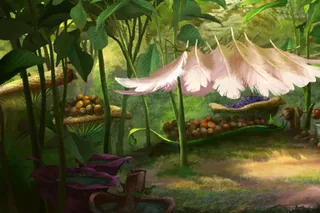 Mapas
Sitio web e investigación de los juegos por 101Leafy.
Prólogo
Texto de Prólogo de Campanilla y el Gran Rescate: 320 líneas en Inglés, Francés, Alemán, Español, Italiano, Neerlandés, Japonés.
Escenas de la historia
- 1
¡Te doy la bienvenida a la Hondonada de las hadas!
- Inglés
- Welcome to Pixie Hollow, home of the fairies!
- Francés
- Bienvenue dans la Vallée des fées, berceau de notre espèce !
- Alemán
- Willkommen im Tal der Feen, hier sind die Feen zuhause!
- Italiano
- Benvenuta nella Radura Incantata, dimora delle Fate!
- Neerlandés
- Welkom in de Elfenvallei, waar de elfjes wonen!
- Japonés
- ようこそ、ようせいのせかい ピクシーホロウへ。
- 2
Las demás están ocupadas llevando el verano a Tierra Firme...
- Inglés
- The others are busy bringing summer to the mainland...
- Francés
- Les autres sont occupées à faire venir l'été dans l'Autre Monde...
- Alemán
- Die anderen Feen bringen den Sommer zum Festland ...
- Italiano
- Gli altri sono impegnati a portare l'estate sulla Terra Grande...
- Neerlandés
- De anderen zijn druk bezig de zomer naar Mensenland te brengen
- Japonés
- ようせいたちは、メインランドでなつのじゅんびの まっさいちゅう。
- 3
... y seguro que agradecen que les eches una mano.
- Inglés
- ...and could sure use your help.
- Francés
- ... et elles auraient bien besoin de ton aide.
- Alemán
- ... und könnten deine Hilfe sicherlich gut gebrauchen.
- Italiano
- ...e hanno bisogno del tuo aiuto.
- Neerlandés
- ...en kunnen jouw hulp goed gebruiken.
- Japonés
- すばらしいさいのうをもったあなたのとうちゃくを まちわびています。
- 4
Podrías ir al campamento de hadas para ver si alguna necesita ayuda.
- Inglés
- Why don't you go to fairy camp and see if you can lend anyone a hand!
- Francés
- Pourrais-tu aller au camp des fées, histoire d'aider quelqu'un ?
- Alemán
- Begibt dich zum Feenlager und sieh nach, ob du helfen kannst!
- Italiano
- Vai al Villaggio delle Fate e scopri se puoi dare una mano a qualcuno!
- Neerlandés
- Waarom ga je niet naar het Elfen- kamp om te zien of je kunt helpen?
- Japonés
- さぁ、サマーキャンプへいって みんなといっしょに なつをとどけましょう!
- 5
¡Eh, hola! ¡Qué alegría que estés aquí!
- Inglés
- Hi there! We're so glad you're here!
- Francés
- Salut ! Nous sommes si contentes de te voir ici !
- Alemán
- Hallo! Wir sind wirklich froh, dass du da bist!
- Italiano
- Ehilà! Siamo tutte felici che tu sia qui!
- Neerlandés
- Hoi! We zijn zo blij dat je er bent!
- Japonés
- ようこそサマーキャンプへ!きてくれてうれしいわ!
- 6
Me llamo Campanilla y soy un hada reparadora.
- Inglés
- My name's Tinker Bell and I'm a tinker fairy.
- Francés
- Je m'appelle Clochette, je suis une fée bricoleuse.
- Alemán
- Ich heiße TinkerBell und ich bin eine Tinkerfee.
- Italiano
- Io sono Trilli, una Fata Fatutto.
- Neerlandés
- Ik heet Tinkelbel en ik ben een Knutsel-elfje.
- Japonés
- わたしはティンカー・ベル。ものづくりのようせいよ。
- 7
Voy a presentarte a mis amigas.
- Inglés
- Let me introduce you to my friends.
- Francés
- Laisse-moi te présenter mes amies.
- Alemán
- Ich stelle dich meinen Freunden vor.
- Italiano
- Lascia che ti presenti alle mie amiche.
- Neerlandés
- Ik zal je voorstellen aan iedereen.
- Japonés
- あなたに わたしのともだちをしょうかいするわね!
- 8
¡Hola! Me llamo Fawn y soy un hada de los animales.
- Inglés
- Hiya! My name is Fawn and I'm an animal fairy.
- Francés
- Salut ! Je m'appelle Noa, je suis une fée des animaux.
- Alemán
- Hallo! Ich heiße Emily. Ich bin eine Tierfee.
- Italiano
- Ehilà! Io sono Daina, una Fata degli Animali.
- Neerlandés
- Hoi! Mijn naam is Fauntje en ik ben een Dieren-elfje.
- Japonés
- わたしはどうぶつのようせいフォーン。
- 9
¡Yo cuido de todos los animalitos peludos!
- Inglés
- I take care of all the little fuzzy wuzzies!
- Francés
- C'est moi qui m'occupe de nos amies les bêtes !
- Alemán
- Ich kümmere mich um all die kleinen Fellknäuel!
- Italiano
- Io mi prendo cura di tutti gli animaletti!
- Neerlandés
- Ik zorg voor alle pluizige beestjes!
- Japonés
- どうぶつのせいかつをてだすけするのが わたしのしごとよ。
- 10
Hola, cariño. Me llamo Rosetta y soy un hada del jardín.
- Inglés
- Well hello, sugar. My name's Rosetta and I'm a garden fairy.
- Francés
- Bonjour, ma chérie. Mon nom est Rosélia, je suis une fée des jardins.
- Alemán
- Hallo, Süße. Ich heiße Rosetta. Ich bin eine Gartenfee.
- Italiano
- Salve, zuccherino! Io sono Rosetta, una Fata Giardiniera.
- Neerlandés
- Hallo, suikerrietje. Ik heet Rosetta en ben een Tuin-elfje.
- Japonés
- まぁ こんにちは!しょくぶつのようせい ロゼッタよ。
- 11
Yo me aseguro de que las rosas
- Inglés
- I make sure the roses are red
- Francés
- Je m'assure que les roses soient rouges
- Alemán
- Ich achte darauf, dass die Rosen rot
- Italiano
- Io mi assicuro che le rose siano rosse...
- Neerlandés
- Ik zorg ervoor dat de rozen rood
- Japonés
- バラが あかくなっているか、スミレが あおくなっているか…
- 12
sean rojas y las violetas, azules.
- Inglés
- and the violets are blue.
- Francés
- et les violettes, bleues.
- Alemán
- und die Veilchen blau sind.
- Italiano
- ...e che le viole siano blu.
- Neerlandés
- en de viooltjes blauw zijn.
- Japonés
- そういったしょくぶつの へんかをたしかめるのが わたしのしごとよ。
- 13
Sígueme. ¡Te presentaré a algunos amigos más!
- Inglés
- Follow me. I'll introduce you to some more of my friends!
- Francés
- Suis-moi. Je vais te présenter d'autres amies !
- Alemán
- Komm mit. Ich stelle dich noch mehr Freunden vor!
- Italiano
- Seguimi, ti presento qualche altra amica!
- Neerlandés
- Volg me. Ik stel je voor aan nog meer vrienden!
- Japonés
- このさきにも わたしのともだちがいるの。しょうかいするから ついてきて!
- 14
Hola, me llamo Iridessa y soy un hada de la luz.
- Inglés
- Hi, my name's Iridessa and I'm a light fairy.
- Francés
- Bonjour, je m'appelle Iridessa. Je suis une fée des lumières.
- Alemán
- Hi, ich heiße Klara und ich bin eine Lichterfee.
- Italiano
- Ciao, io sono Iridessa, una Fata della Luce.
- Neerlandés
- Hoi, ik ben Iridessa en ik ben een Licht-elfje.
- Japonés
- こんにちは! わたしは イリデッサ。ひかりのようせいよ。
- 15
El verano es la estación más ajetreada para las hadas de la luz.
- Inglés
- Summer is a light fairy's busiest season.
- Francés
- L'été est la saison la plus remplie pour les fées des lumières.
- Alemán
- Im Sommer haben die Lichterfeen am meisten zu tun.
- Italiano
- L'estate è la stagione più intensa per una Fata della Luce.
- Neerlandés
- De zomer is het drukste seizoen voor een Licht-elfje.
- Japonés
- なつは つよいひかりがひつようだからいちばん いそがしいきせつなの。
- 16
Soy Silvermist, un hada del agua.
- Inglés
- I'm Silvermist, a water fairy.
- Francés
- Je suis Ondine, une fée des eaux.
- Alemán
- Ich bin Silberhauch, eine Wasserfee.
- Italiano
- Io sono Argentea, Fata dell'Acqua.
- Neerlandés
- Ik ben Zilverdauw, een Water-elfje.
- Japonés
- わたしは シルバーミスト。みずのようせいよ よろくしくね。
- 17
Las plantas y los animales necesitan
- Inglés
- All the plants and animals need
- Francés
- Toutes les plantes et tous les animaux ont besoin
- Alemán
- Alle Tiere und Pflanzen
- Italiano
- In questa stagione, tutte le piante e gli animali...
- Neerlandés
- Alle planten en dieren hebben
- Japonés
- なつは しょくぶつとどうぶつたち みんなが……
- 18
agua adicional en esta época del año.
- Inglés
- extra water this time of year.
- Francés
- de s'hydrater davantage à cette époque de l'année.
- Alemán
- brauchen besonders viel Wasser in dieser Jahreszeit.
- Italiano
- ...hanno bisogno di più acqua del solito.
- Neerlandés
- extra water nodig in deze tijd van het jaar.
- Japonés
- ほかのきせつよりも、たくさんのみずを ひつようとするの。
- 19
De modo que tú eres la nueva, ¿no? Soy Vidia.
- Inglés
- So you're the new rookie, hm? The name's Vidia.
- Francés
- Alors c'est toi, la nouvelle du moment, hmm ? Moi, c'est Vidia.
- Alemán
- Du bist also die Neue, wie? Ich heiße Vidia.
- Italiano
- Quindi tu saresti la novellina, eh? Io sono Vidia.
- Neerlandés
- Dus jij bent de nieuweling, hè? Ik heet Vidia.
- Japonés
- ふ~ん、あんたが あたらしくきたようせいか。
- 20
Para volar con un hada de vuelo veloz necesitas algo más que alas.
- Inglés
- It takes more than a set of wings to fly with fast-flying fairies.
- Francés
- Des ailes, ça ne suffit pas pour voler avec les fées voltigeuses.
- Alemán
- Man braucht mehr als ein Paar Flügel, um schnell wie wir zu fliegen.
- Italiano
- Non basta un paio d'ali per volare insieme a Fate veloci come noi.
- Neerlandés
- Er is meer nodig dan vleugels om met snelvliegende elfjes te vliegen.
- Japonés
- わたしは こうそくいどうのようせいヴィディアよ。
- 21
Supongo que ya veremos si tienes el talento necesario...
- Inglés
- I guess we'll see if you've got what it takes.
- Francés
- Enfin, nous verrons bien si tu es à la hauteur.
- Alemán
- Wir werden ja sehen, ob du das nötige Zeug dazu hast.
- Italiano
- Immagino che scopriremo presto se hai la stoffa per farcela.
- Neerlandés
- We zien vanzelf wel of jij uit het juiste hout gesneden bent.
- Japonés
- いったい なにができるのか、たしかめさせて もらおうかしら。
- 22
La Ministra del verano quiere verte.
- Inglés
- The Minister of Summer wants to see you.
- Francés
- La Ministre de l'été veut te voir.
- Alemán
- Die Ministerin für Sommer möchte dich sehen.
- Italiano
- Il Ministro dell'Estate vuole vederti.
- Neerlandés
- De Minister van Zomer wil je spreken.
- Japonés
- そういえば、「なつのだいじん」があなたにおあいしたいって。
- 23
Está en la Zona común.
- Inglés
- She's over in the Common Area.
- Francés
- Elle se trouve dans l'Aire commune.
- Alemán
- Sie ist auf dem Hauptplatz.
- Italiano
- Puoi trovarla all'Area Comune.
- Neerlandés
- Je vindt haar op het Trefpunt.
- Japonés
- だいじんは、「ようせいひろば」にいらっしゃるの。
- 24
¡Será mejor que no la hagas esperar!
- Inglés
- Better not keep her waiting!
- Francés
- Un conseil, ne la fais pas attendre !
- Alemán
- Du solltest sie nicht warten lassen!
- Italiano
- Non farla aspettare!
- Neerlandés
- Laat haar niet wachten!
- Japonés
- おまたせするのは、よくないわ!いそぎましょう!
- 25
¡Eh, hola!
- Inglés
- Why, hello there!
- Francés
- Tiens, bonjour !
- Alemán
- Hallo!
- Italiano
- Salve!
- Neerlandés
- Hoi, hallo!
- Japonés
- よくきてくれましたね。
- 26
Soy la Ministra del verano y tengo un trabajo muy importante para ti.
- Inglés
- I'm the Minister of Summer and I have a very important task for you.
- Francés
- Je suis la Ministre de l'été, j'ai une importante mission à te confier.
- Alemán
- Ich bin die Ministerin für Sommer und habe eine wichtige Aufgabe.
- Italiano
- Sono il Ministro dell'Estate e ho un compito importante da affidarti.
- Neerlandés
- Ik ben de Minister van Zomer en ik heb een belangrijke taak voor je.
- Japonés
- なつのだいじんとして あなたにとてもたいせつな おねがいがあります。
- 27
Debemos preparar el Jardín del verano para celebrar el final de la
- Inglés
- We need to grow a Summer Garden for the big,
- Francés
- Nous devons créer un Jardin d'été
- Alemán
- Wir müssen einen Sommergarten
- Italiano
- Dobbiamo creare un Giardino Estivo per il grande...
- Neerlandés
- We moeten een Zomertuin aanleggen voor het grote
- Japonés
- きせつのおわりの ティーパーティーのかいじょうとなる……
- 28
estación con una reunión de té.
- Inglés
- end-of-season tea party.
- Francés
- pour le grand goûter de fin de saison.
- Alemán
- für das große Gartenfest zum Ende des Sommers anlegen.
- Italiano
- ...tè di fine stagione.
- Neerlandés
- theepartijtje aan het eind van de zomer.
- Japonés
- サマーガーデンをつくってもらいたいのです。
- 29
Creo que un hada recién llegada...
- Inglés
- And I think a new fairy like you...
- Francés
- Et j'estime qu'une fée telle que toi...
- Alemán
- Und ich denke, dass eine neue Fee wie du ...
- Italiano
- Penso che una nuova Fata come te...
- Neerlandés
- En ik denk dat 'n nieuw elfje...
- Japonés
- あなたのような あたらしいようせいはわたしたちにひつような……
- 30
... sabrá darle un aire más fresco.
- Inglés
- ...will have the fresh perspective we need.
- Francés
- ... aura un regard neuf qui pourra nous être utile.
- Alemán
- ... die nötigen neuen Ideen mitbringt.
- Italiano
- ...possa portare le idee nuove di cui abbiamo bisogno.
- Neerlandés
- ...zoals jij, een frisse kijk heeft op wat we nodig hebben.
- Japonés
- いままでにない もののみかたができると かんがえています。
- 31
¡Por eso he decidido que te encargues tú del jardín!
- Inglés
- So I'm putting you in charge of growing it!
- Francés
- C'est pourquoi je te nomme responsable de ce jardin !
- Alemán
- Die Verantwortung für den Sommergarten übertrage ich dir!
- Italiano
- Quindi ti incarico ufficialmente di crearlo e coltivarlo!
- Neerlandés
- Dus ik geef jouw de opdracht de tuin te maken!
- Japonés
- あなたが どんなにわをつくるのか……たのしみにしていますよ。
- 32
¡No te preocupes!
- Inglés
- Don't worry!
- Francés
- Ne t'inquiète pas !
- Alemán
- Keine Sorge!
- Italiano
- Non preoccuparti!
- Neerlandés
- Maak je geen zorgen!
- Japonés
- サマーガーデンづくりなんて ステキ!
- 33
Todas las hadas te ayudaremos con el jardín.
- Inglés
- My friends and I will help you make the garden.
- Francés
- Mes amies et moi allons t'aider à préparer le jardin.
- Alemán
- Meine Freunde und ich helfen dir mit dem Garten.
- Italiano
- Io e i miei amici ti aiuteremo con il Giardino.
- Neerlandés
- Mijn vrienden en ik helpen je met de tuin.
- Japonés
- わたしたちにもぜひ おてつだいさせて。
- 34
¡Incluso Vidia te echará un ala!
- Inglés
- Even Vidia will lend a wing!
- Francés
- Même Vidia y mettra du sien !
- Alemán
- Selbst Vidia wird dir helfen!
- Italiano
- Persino Vidia ti darà una mano!
- Neerlandés
- Zelfs Vidia helpt een vleugeltje mee!
- Japonés
- きっと ヴィディアもてつだってくれるはずだわ!
- 35
¡Venga, vamos!
- Inglés
- C'mon, let's go!
- Francés
- Allez, c'est parti !
- Alemán
- Komm mit!
- Italiano
- Forza, andiamo!
- Neerlandés
- Kom op, we gaan!
- Japonés
- さぁ、いきましょう!
- 36
Primero te presentaré a mi buen amigo Terence.
- Inglés
- First I'll introduce you to my good friend, Terence.
- Francés
- Je vais commencer par te présenter mon excellent ami Terence.
- Alemán
- Ich stelle dich erst meinem guten Freund Terence vor.
- Italiano
- Per prima cosa, ti presenterò al mio caro amico Terence.
- Neerlandés
- Om te beginnen wil ik je voorstellen aan mijn goede vriend, Timo.
- Japonés
- まずさいしょは……そうねテレンスに あいにいきましょう!
- 37
Está en el Anillo de hadas, donde llegaste.
- Inglés
- He's at the Fairy Ring where you arrived.
- Francés
- Il est au Cercle des fées où tu es arrivée.
- Alemán
- Er ist beim Feenring, dort, wo du angekommen bist.
- Italiano
- Si trova all'Anello delle Fate, il posto in cui sei arrivata.
- Neerlandés
- Je vindt hem bij de Elfencirkel waar je bent aangekomen.
- Japonés
- かれは あなたがさいしょにやってきた「ようせいのわ」にいるはずよ。
- 38
¡Soy Terence, un guardián del polvo! Encantado de conocerte.
- Inglés
- I'm Terence, a dust keeper fairy! It's nice to meet you.
- Francés
- Je suis Terence, gardien de poussière de fées. Enchanté !
- Alemán
- Ich bin Terence, eine Feenstaubfee! Schön, dich kennenzulernen.
- Italiano
- Io sono Terence, un Elfo Custode della Polvere! Piacere di conoscerti.
- Neerlandés
- Ik ben Timo, een Stofbewaar-elfje. Leuk je te ontmoeten.
- Japonés
- ぼくはテレンス。ようせいのこなの ようせいさ!
- 39
Entrego a las hadas su copa diaria de polvo de hada.
- Inglés
- I give fairies their daily cup of pixie dust.
- Francés
- Je donne aux fées leur coupe quotidienne de poussière de fée.
- Alemán
- Ich gebe den Feen die tägliche Ration Feenglanz.
- Italiano
- Fornisco alle Fate la loro tazza giornaliera di polvere di fata.
- Neerlandés
- Ik geef alle elfjes hun dagelijkse kopje elfenstof.
- Japonés
- ようせいのこなを まいにちみんなにくばるのが ぼくのしごとなんだ。
- 40
Si no te importa, me gustaría pedirte un favor.
- Inglés
- There's a favor I'd like to ask you, if you don't mind.
- Francés
- J'ai un service à te demander, si ça ne te dérange pas.
- Alemán
- Ich würde dich gern um was bitten, wenn es dir nichts ausmacht.
- Italiano
- Vorrei chiederti un favore, se non ti dispiace.
- Neerlandés
- Ik wil je om een gunst vragen, als dat mag.
- Japonés
- あ、そうだ! ひとつたのみたいことがあるんだけど、いいかな?
- 41
¿Podrías entregar este objeto a Clank y Bobble?
- Inglés
- Can you deliver this item to Clank and Bobble?
- Francés
- Pourrais-tu remettre ceci à Clark et Gabble ?
- Alemán
- Kannst du bitte das hier Clank und Bobble bringen?
- Italiano
- Puoi consegnare questo oggetto a Clank e Bloblò?
- Neerlandés
- Kun jij dit voorwerp naar Bel en Hamel brengen?
- Japonés
- ものづくりのようせい、ボブルとクランクにとどけものを してほしいんだ。
- 42
Los encontrarás en la Despensa del campamento.
- Inglés
- You can find them over at the Camp Pantry.
- Francés
- Tu les trouveras dans le Garde-manger.
- Alemán
- Du findest sie drüben bei der Vorratsecke.
- Italiano
- Li trovi alla Dispensa.
- Neerlandés
- Je vindt ze in de Voorraadruimte.
- Japonés
- ふたりが いつもいるのは「たべものそうこ」よ。
- 43
Puedes acceder a la Despensa del campamento desde la Zona común.
- Inglés
- You can get there from the Common Area you just came from.
- Francés
- Pour t'y rendre, passe par l'Aire commune d'où tu viens.
- Alemán
- Vom Hauptplatz aus, wo du gerade gewesen bist, kommst du zu ihnen.
- Italiano
- Puoi arrivarci dall'Area Comune, il posto da cui sei venuta.
- Neerlandés
- Je kunt er komen via het Trefpunt, waar je zojuist was.
- Japonés
- 「たべものそうこ」にはさっきのひろばから いけるわ。
- 44
Tengo cosas que hacer, así que no puedo acompañarte. ¡Buena suerte!
- Inglés
- I have some things to do, so I can't go with you. Good luck!
- Francés
- Je ne peux pas t'accompagner car j'ai à faire. Bonne chance !
- Alemán
- Ich habe zu tun und kann nicht mitkommen. Viel Glück!
- Italiano
- Io ho da fare, quindi non posso accompagnarti. Buona fortuna!
- Neerlandés
- Ik moet van alles doen, dus ik ga niet mee. Veel succes!
- Japonés
- わたしは しごとがあるから いっしょにいけないけど、がんばってね!
- 45
Las hadas del agua nos aseguramos
- Inglés
- Water fairies like me make sure
- Francés
- Nous, les fées des eaux, faisons en sorte que
- Alemán
- Wasserfeen wie ich sorgen dafür,
- Italiano
- Le Fate dell'Acqua come me si assicurano che...
- Neerlandés
- Water-elfjes zoals ik zorgen ervoor
- Japonés
- こんにちは! わたしたちみずのようせいはしょくぶつと どうぶつみんなが……
- 46
de que las plantas y los animales tengan suficiente agua para beber.
- Inglés
- all the plants and animals get enough to drink!
- Francés
- toutes les plantes et tous les animaux n'aient jamais soif !
- Alemán
- dass alle Pflanzen und Tiere genügend zu trinken haben!
- Italiano
- ...tutte le piante e gli animali abbiano abbastanza da bere.
- Neerlandés
- dat alle planten en dieren voldoende te drinken krijgen!
- Japonés
- たっぷりのみずを もらえているかをたしかめるの。
- 47
¿Clank y Bobble? Están en la Despensa del campamento.
- Inglés
- Clank and Bobble? They're over at the Camp Pantry.
- Francés
- Clark et Gabble ? Ils sont au Garde-manger.
- Alemán
- Clank und Bobble? Die sind drüben in der Vorratsecke.
- Italiano
- Clank e Bloblò? Sono alla Dispensa.
- Neerlandés
- Bel en Hamel? Die vind je in de Voorraadruimte.
- Japonés
- ボブルとクランクなら「たべものそうこ」にいるわ。
- 48
Las hadas del jardín se encargan de que las plantas crezcan.
- Inglés
- Garden fairies are responsible for helping plants grow.
- Francés
- Les fées des jardins s'occupent de la croissance des plantes.
- Alemán
- Gartenfeen helfen den Pflanzen beim Wachsen.
- Italiano
- Le Fate Giardiniere si occupano di aiutare le piante a crescere.
- Neerlandés
- Tuin-elfjes zijn verantwoordelijk voor het laten groeien van planten.
- Japonés
- わたしたち、しょくぶつのようせいのしごとは しょくぶつをそだてること!
- 49
Con nuestras amorosas manos y un poco de polvo de hada,
- Inglés
- With a sprinkle of pixie dust and a careful hand,
- Francés
- Avec une pincée de poussière de fée et des gestes précis,
- Alemán
- Mit ein wenig Feenglanz und sorgfältiger Hand,
- Italiano
- Con un pizzico di polvere di fata e amorevoli cure...
- Neerlandés
- Met een handvol elfenstof en een liefdevolle aanpak
- Japonés
- ようせいのこなを ふりかけてしんちょうに あつかえば……
- 50
las hadas del jardín cubrimos de plantas la tierra.
- Inglés
- us garden fairies can grow any plant in the land.
- Francés
- les fées des jardins peuvent faire pousser tout ce qu'elles veulent.
- Alemán
- sprießen alle Pflanzen in unserem Land.
- Italiano
- ...possiamo far crescere qualsiasi pianta in questo posto.
- Neerlandés
- kunnen wij Tuin-elfjes elke plant laten groeien die er bestaat.
- Japonés
- わたしたち しょくぶつのようせいは、どんなしょくぶつだって そだてられるの。
- 51
¿Clank y Bobble? Están en la Despensa del campamento.
- Inglés
- Clank and Bobble? They're over at the Camp Pantry.
- Francés
- Clark et Gabble ? Ils sont au Garde-manger.
- Alemán
- Clank und Bobble? Die sind drüben in der Vorratsecke.
- Italiano
- Clank e Bloblò? Sono alla Dispensa.
- Neerlandés
- Bel en Hamel? Die vind je in de Voorraadruimte.
- Japonés
- ボブルとクランクだったら「たべものそうこ」でみたわよ。
- 52
Me gusta jugar en los arco iris y en los rayos de sol.
- Inglés
- Rainbows and sunbeams are where I like to play.
- Francés
- J'aime batifoler sur les rayons de soleil et les arcs-en-ciel.
- Alemán
- Ich spiele gern mit Regenbögen und Sonnenstrahlen.
- Italiano
- Adoro giocare negli arcobaleni e fra i raggi di sole.
- Neerlandés
- Ik speel graag tussen de regenbogen en zonnestralen.
- Japonés
- おきにいりは にじとひのひかりがさすばしょ!
- 53
¡Deja que un hada de la luz te ilumine el día!
- Inglés
- Let a light fairy brighten your day!
- Francés
- Tu peux compter sur une fée des lumières pour illuminer ta journée !
- Alemán
- Eine Lichterfee versüßt dir den Tag!
- Italiano
- Una Fata della Luce sa sempre come illuminarti la giornata!
- Neerlandés
- Laat je dag verlichten door een Licht-elfje!
- Japonés
- ひかりのようせいが、あなたの1にちをあかるくてらすわ。
- 54
Clank y Bobble están en la Despensa del campamento, a la izquierda.
- Inglés
- Clank and Bobble are in the Camp Pantry to the left of here.
- Francés
- Clark et Gabble sont au Garde-manger, sur ta gauche.
- Alemán
- Clank und Bobble sind in der Vorratsecke links von hier.
- Italiano
- Clank e Bloblò sono alla Dispensa, a sinistra da qui.
- Neerlandés
- Bel en Hamel zijn in de Voorraad- ruimte links van hier.
- Japonés
- クランクと ボブルならすぐこのさきにいるわよ。
- 55
¡Encantado! ¡Soy Clank, para servirte!
- Inglés
- Hi-dee ho! Clank at your service!
- Francés
- Hé ho-hé ! Clark, à ton service !
- Alemán
- Hallihallo! Clank, zu deinen Diensten!
- Italiano
- Ehilà! Clank al tuo servizio!
- Neerlandés
- Hej hej, hoi hoi! Ik ben Bel en sta tot je dienst!
- Japonés
- ぼくはものづくりのようせい、クランク。なんでもきいてね!
- 56
¿Terence envía esto? ¿Eres un hada repartidora?
- Inglés
- You have something from Terence? Are you a delivery fairy?
- Francés
- Tu as quelque chose à donner à Terence ? Es-tu une fée livreuse ?
- Alemán
- Du bringst uns was von Terence? Bist du eine Botenfee?
- Italiano
- Hai qualcosa da parte di Terence? Sei una Fata delle Consegne?
- Neerlandés
- Je brengt ons iets van Timo? Ben je soms een Koerier-elfje?
- Japonés
- テレンスからとどけもの?きみってとどけもののようせいだったの?
- 57
¡No seas tonto, Clank!
- Inglés
- Don't be silly, Clank!
- Francés
- Ne sois pas stupide, Clark !
- Alemán
- Lass den Unsinn, Clank!
- Italiano
- Clank, non essere sciocco!
- Neerlandés
- Doe niet zo gek, Bel!
- Japonés
- おいおい、そんなわけないだろ?
- 58
*ejem* Hola, Soy Bobble. Somos reparadores, como Campanilla.
- Inglés
- *ahem* Hi, I'm Bobble. We're tinkers, just like Tinker Bell.
- Francés
- *hum* Hé, je suis Gabble. On est des bricoleurs, comme Clochette.
- Alemán
- *ähem* Hi, ich bin Bobble. Wir sind Tinkerfeen, so wie TinkerBell.
- Italiano
- *ahem* Ciao, io sono Bloblò. Siamo Fatutto, proprio come Trilli.
- Neerlandés
- *ahem* Hoi, ik ben Hamel. Wij zijn knutselaars, net als Tinkelbel.
- Japonés
- みんなが はなしていたようせいはきみのことだね!
- 59
¡Tú debes de ser el hada de la que todo el mundo habla!
- Inglés
- You must be the fairy that everyone is talking about!
- Francés
- Tu dois être cette fée dont tout le monde parle !
- Alemán
- Du musst wohl die Fee sein, von der alle sprechen!
- Italiano
- Tu devi essere la Fata di cui parlano tutti!
- Neerlandés
- Jij bent vast dat elfje waar iedereen het over heeft!
- Japonés
- ぼくはボブル。 ティンクとおなじものづくりのようせいさ。
- 60
Gracias por traernos este objeto.
- Inglés
- Thanks for delivering that item.
- Francés
- Merci d'avoir livré cet objet.
- Alemán
- Vielen Dank für die Lieferung.
- Italiano
- Grazie per la consegna.
- Neerlandés
- Bedankt dat je het voorwerp hebt afgeleverd.
- Japonés
- とどけものありがとう。たすかったよ!
- 61
Toma este Traje de sandersonia por las molestias. ¡Espero que te guste!
- Inglés
- Here, take this Lantern outfit for your trouble. I hope you like it!
- Francés
- Prends cette tenue alkékenge. J'espère qu'elle te plaît !
- Alemán
- Hier ist ein Laternen-Outfit zum Dank. Ich hoffe, es gefällt dir!
- Italiano
- Ecco, prendi questo abito vaporoso per il disturbo. Spero che ti piaccia!
- Neerlandés
- Hier, een outfit van een lampion- plant voor je. Veel plezier ermee!
- Japonés
- おれいに「ホオズキのふく」をあげるよ!さっそく きてみたらどうだい?
- 62
Por cierto, creo que un hada de tu mismo talento necesita ayuda.
- Inglés
- That reminds me, a fairy of your talent could use your help.
- Francés
- Mais j'y pense, j'ai vu qu'une fée de ta caste avait besoin d'aide.
- Alemán
- Da fällt mir ein, eine Fee deines Talents könnte Hilfe gebrauchen.
- Italiano
- Ora che ci penso... Una Fata del tuo stesso talento ha bisogno di te.
- Neerlandés
- Oh, wacht... er is 'n elfje met jouw talent dat hulp nodig heeft.
- Japonés
- そういえば、キミとおなじさいのうのようせいが こまっているのをみかけたよ。
- 63
Dirígete al Refugio de cocina para ver si necesita algo.
- Inglés
- Head over to the Kitchen Nook and see what they need.
- Francés
- Va voir ce qu'elle veut, tu la trouveras au Coin des cuistots.
- Alemán
- Gehe zur Küche. Und sieh nach, was dort los ist.
- Italiano
- Vai all'Angolo della Cucina e scopri di cosa ha bisogno.
- Neerlandés
- Ga maar naar de Keuken om te zien wat ze nodig heeft.
- Japonés
- 「ちょうりば」にいってたすけてあげてくれないかな?
- 64
Si quieres saber sobre ardillas o aves, solo tienes que preguntarme.
- Inglés
- If you want to know about the birds and the squirrels, just ask me.
- Francés
- Si tu veux des infos sur les oiseaux et les écureuils, demande-moi.
- Alemán
- Frag mich, wenn du was über Vögel oder Eichhörnchen wissen willst.
- Italiano
- Se vuoi sapere qualcosa su uccelli o scoiattoli, chiedi a me.
- Neerlandés
- Vraag 't me als je meer wilt weten over vogels en eekhoorns.
- Japonés
- もし、とりやリスのことが しりたかったらわたしにいって。
- 65
Las hadas de los animales podemos hablar con todas las criaturas.
- Inglés
- Animal fairies can talk with animals, after all.
- Francés
- Les fées des animaux savent parler aux bêtes, après tout.
- Alemán
- Tierfeen können schließlich mit den Tieren reden.
- Italiano
- Le Fate degli Animali possono parlare con tutte le bestioline.
- Neerlandés
- Dieren-elfjes kunnen tenslotte met dieren praten.
- Japonés
- どうぶつのようせいはどうぶつと おはなしすることができるの。
- 66
El hada que buscas está en el Refugio de cocina.
- Inglés
- The fairy you're looking for is in the Kitchen Nook.
- Francés
- La fée que tu cherches se trouve au Coin des cuistots.
- Alemán
- Die Fee, die du suchst, findest du in der Küche.
- Italiano
- La Fata che stai cercando si trova nell'Angolo della Cucina.
- Neerlandés
- Het elfje dat je zoekt, is in de Keuken.
- Japonés
- こまっているようせいだったら「ちょうりば」にいるわ。
- 67
Necesito la ayuda de alguien con ideas brillantes...
- Inglés
- I need someone bright to help me out...
- Francés
- J'ai besoin d'une fée lumineuse pour résoudre mon problème...
- Alemán
- Ich brauche jemanden mit viel Licht, der mir hilft ...
- Italiano
- Mi serve una Fata con delle idee brillanti per aiutarmi...
- Neerlandés
- Ik heb een helder iemand nodig om me te helpen...
- Japonés
- わたしを てつだってくれる、あかるいようせいが ひつようなんだけど……
- 68
¡Y nadie es tan brillante como un hada de la luz!
- Inglés
- and no one's brighter than a light fairy!
- Francés
- et personne n'est plus lumineux qu'une fée des lumières !
- Alemán
- und niemand leuchtet heller als eine Lichterfee!
- Italiano
- ...e nessuna ha idee più brillanti di una Fata della Luce!
- Neerlandés
- ...en wie is er nou helderder dan een Licht-elfje!
- Japonés
- ひかりのようせいよりも あかるいようせいなんて いないよね!
- 69
Sé que acabas de llegar pero, ¿podrías echarme un ala?
- Inglés
- I know you just arrived, but can you lend me a wing?
- Francés
- Je sais que tu viens d'arriver, mais pourrais-tu me prêter main-forte ?
- Alemán
- Du bist gerade erst angekommen, kannst du mir trotzdem helfen?
- Italiano
- So che sei appena arrivata, ma potresti darmi una mano?
- Neerlandés
- Ik weet dat je er nog maar net bent, maar kun je me 'n vleugeltje helpen?
- Japonés
- ついたばかりで わるいんだけどしごとを てつだってくれないかな?
- 70
Oh, toma este Traje de hoja negro. No se ensucia fácilmente, así que
- Inglés
- Oh, and here is a Black Leaf outfit. It doesn't get dirty easy,
- Francés
- Oh, et voici une tenue feuille noire. Elle reste toujours propre :
- Alemán
- Hier, ein schwarzes Blätter-Outfit. Es wird selten schmutzig
- Italiano
- Ah, ed ecco un vestito di foglie nere. Non si sporca facilmente...
- Neerlandés
- Oh, en hier is een outfit van zwart blad. Hij wordt niet snel vuil, en is
- Japonés
- あ、そうそう! しごとをするときはさぎょうようの ふくにきがえてね!
- 71
es perfecto para realizar tareas de hada y otros trabajos.
- Inglés
- so it's perfect to wear when you do fairy tasks and other work.
- Francés
- parfait pour s'affairer et vaquer à ses occupations.
- Alemán
- und eignet sich deshalb bestens für Feenaufgaben und andere Arbeiten.
- Italiano
- ...quindi è perfetto per i tuoi lavori di Fata o altri compiti.
- Neerlandés
- dus erg geschikt om te dragen als je elfenklusjes en ander werk doet.
- Japonés
- はい! これが さぎょうようの「くろいはっぱのふく」よ。
- 72
Rosetta me dijo que eras un hada del jardín.
- Inglés
- Rosetta told me you're a garden fairy, too!
- Francés
- Rosélia m'a dit que tu étais une fée des jardins, toi aussi !
- Alemán
- Rosetta hat erzählt, dass du auch eine Gartenfee bist!
- Italiano
- Rosetta mi ha detto che anche tu sei una Fata Giardiniera!
- Neerlandés
- Rosetta heeft me verteld dat jij ook een Tuin-elfje bent!
- Japonés
- ロゼッタからきいたわ。あなたもしょくぶつのようせいなのね。
- 73
Bueno, ¡a ver qué podemos hacer!
- Inglés
- Well, let's see what you can do!
- Francés
- Bien, voyons ce que tu sais faire !
- Alemán
- Mal sehen, was du tun kannst.
- Italiano
- Beh... Vediamo che cosa sai fare!
- Neerlandés
- Laten we 'ns kijken wat je kunt!
- Japonés
- あなたの すばらしいさいのうをわたしにみせて!
- 74
Oh, toma este Traje de hoja negro. No se ensucia fácilmente, así que
- Inglés
- Oh, and here is a Black Leaf outfit. It doesn't get dirty easy,
- Francés
- Oh, et voici une tenue feuille noire. Elle reste toujours propre :
- Alemán
- Hier, ein schwarzes Blätter-Outfit. Es wird selten schmutzig
- Italiano
- Ah, ed ecco un vestito di foglie nere. Non si sporca facilmente...
- Neerlandés
- Oh, en hier is een outfit van zwart blad. Hij wordt niet snel vuil, en is
- Japonés
- しごとをするときは よごれてもいいさぎょうようの ふくにきがえてね。
- 75
es perfecto para realizar tareas de hada y otros trabajos.
- Inglés
- so it's perfect to wear when you do fairy tasks and other work.
- Francés
- parfait pour s'affairer et vaquer à ses occupations.
- Alemán
- und eignet sich deshalb bestens für Feenaufgaben und andere Arbeiten.
- Italiano
- ...quindi è perfetto per i tuoi lavori di Fata o altri compiti.
- Neerlandés
- dus erg geschikt om te dragen als je elfenklusjes en ander werk doet.
- Japonés
- さぎょうようの 「くろいはっぱのふく」をわたしておくわ!
- 76
¡Hola! ¿Te importaría ayudarme?
- Inglés
- Hiya! Would you mind helping me out?
- Francés
- Hé ! Pourrais-tu m'aider ?
- Alemán
- Hey! Kannst du mir bitte helfen?
- Italiano
- Ciao! Ti dispiacerebbe darmi una mano?
- Neerlandés
- Hoi! Zou jij me even kunnen helpen?
- Japonés
- あら、あなたもどうぶつのようせいなの?ちょっとてつだってくれない?
- 77
No te preocupes, no es peludo. ¡Aunque puede que sea lanudo!
- Inglés
- Don't worry, it's nothing hairy. It may be furry, though!
- Francés
- Ne t'inquiète pas, rien de méchant. Mais ce sera peut-être touffu !
- Alemán
- Keine Sorge, es ist nichts Haariges. Aber vielleicht Pelziges!
- Italiano
- Tranquilla, non è un problema spinoso. Al limite, un po' peloso...
- Neerlandés
- Maak je geen zorgen, het is niet gevaarlijk, maar wel pluizig.
- Japonés
- そんなにむずかしいことをするわけじゃないから しんぱいしないで。
- 78
Oh, toma este Traje de hoja negro. No se ensucia fácilmente, así que
- Inglés
- Oh, and here is a Black Leaf outfit. It doesn't get dirty easy,
- Francés
- Oh, et voici une tenue feuille noire. Elle reste toujours propre :
- Alemán
- Hier, ein schwarzes Blätter-Outfit. Es wird selten schmutzig
- Italiano
- Ah, ed ecco un vestito di foglie nere. Non si sporca facilmente...
- Neerlandés
- Oh, en hier is een outfit van zwart blad. Hij wordt niet snel vuil, en is
- Japonés
- ただ ふくがよごれるかもしれないからさぎょうようのふくに きがえてね。
- 79
es perfecto para realizar tareas de hada y otros trabajos.
- Inglés
- so it's perfect to wear when you do fairy tasks and other work.
- Francés
- parfait pour s'affairer et vaquer à ses occupations.
- Alemán
- und eignet sich deshalb bestens für Feenaufgaben und andere Arbeiten.
- Italiano
- ...quindi è perfetto per i tuoi lavori di Fata o altri compiti.
- Neerlandés
- dus erg geschikt om te dragen als je elfenklusjes en ander werk doet.
- Japonés
- はい! この「くろいはっぱのふく」ならよごれても だいじょうぶよ!
- 80
Están surgiendo tantas dificultades que la ayuda de un
- Inglés
- We're in over our heads
- Francés
- Nous sommes débordées...
- Alemán
- Wir wissen einfach nicht mehr weiter
- Italiano
- Abbiamo un piccolo problema...
- Neerlandés
- Het wordt ons allemaal te veel
- Japonés
- もう、おてあげ!
- 81
hada del agua no nos vendría nada mal.
- Inglés
- and could sure use the help of a talented water fairy.
- Francés
- Nous aurions bien besoin d'une fée des eaux expérimentée.
- Alemán
- und würden die Hilfe einer talentierten Wasserfee brauchen.
- Italiano
- Ci farebbe davvero comodo l'aiuto di una talentuosa Fata dell'Acqua.
- Neerlandés
- en we zouden de hulp van een Water-elfje goed kunnen gebruiken.
- Japonés
- わたしとおなじ、みずのようせいのたすけがあると ありがたいんだけど……
- 82
¡Oh, eres un hada del agua! ¿Te importaría ayudarme?
- Inglés
- Oh, you're a water fairy! Would you mind helping me out?
- Francés
- Oh, tu es une fée des eaux ! Pourrais-tu m'aider ?
- Alemán
- Oh, du bist eine Wasserfee! Kannst du mir bitte helfen?
- Italiano
- Oh, tu sei la Fata dell'Acqua! Ti dispiacerebbe aiutarmi?
- Neerlandés
- Oh, je bent een Water-elfje! Zou je me kunnen helpen?
- Japonés
- あっ、あなたはみずのようせいよね!?おねがい、てつだって!!
- 83
Oh, toma este Traje de hoja negro. No se ensucia fácilmente, así que
- Inglés
- Oh, and here is a Black Leaf outfit. It doesn't get dirty easy,
- Francés
- Oh, et voici une tenue feuille noire. Elle reste toujours propre :
- Alemán
- Hier, ein schwarzes Blätter-Outfit. Es wird selten schmutzig
- Italiano
- Ah, ed ecco un vestito di foglie nere. Non si sporca facilmente...
- Neerlandés
- Oh, en hier is een outfit van zwart blad. Hij wordt niet snel vuil, en is
- Japonés
- そのままじゃ ふくがよごれるわ。さぎょうようのふくに きがえてね。
- 84
es perfecto para realizar tareas de hada y otros trabajos.
- Inglés
- so it's perfect to wear when you do fairy tasks and other work.
- Francés
- parfait pour s'affairer et vaquer à ses occupations.
- Alemán
- und eignet sich deshalb bestens für Feenaufgaben und andere Arbeiten.
- Italiano
- ...quindi è perfetto per i tuoi lavori di Fata o altri compiti.
- Neerlandés
- dus erg geschikt om te dragen als je elfenklusjes en ander werk doet.
- Japonés
- 「くろいはっぱのふく」を あげる!これなら よごれてもだいじょうぶよ。
- 85
¡Qué gran momento has elegido para ser un hada reparadora!
- Inglés
- You couldn't have picked a better time to be a tinker.
- Francés
- Tu es une fée bricoleuse et c'est ce dont nous avons besoin.
- Alemán
- Genau der richtige Zeitpunkt für eine Tinkerfee.
- Italiano
- Hai scelto il momento giusto per diventare una Fata Fatutto.
- Neerlandés
- Je had geen beter moment kunnen kiezen om een knutselaar te zijn.
- Japonés
- あなたって、わたしたちと おなじものづくりのようせいよね?
- 86
¡Tu ayuda nos vendrá de perlas!
- Inglés
- We could sure use your help!
- Francés
- Nous aurions bien besoin de ton aide !
- Alemán
- Wir könnten deine Hilfe wirklich gut gebrauchen.
- Italiano
- Abbiamo proprio bisogno del tuo aiuto!
- Neerlandés
- We kunnen je hulp goed gebruiken!
- Japonés
- わざわざ てつだいにきてくれたの?ありがとう、ほんとうにたすかるわ!!
- 87
Oh, toma este Traje de hoja negro. No se ensucia fácilmente, así que
- Inglés
- Oh, and here is a Black Leaf outfit. It doesn't get dirty easy,
- Francés
- Oh, et voici une tenue feuille noire. Elle reste toujours propre :
- Alemán
- Hier, ein schwarzes Blätter-Outfit. Es wird selten schmutzig
- Italiano
- Ah, ed ecco un vestito di foglie nere. Non si sporca facilmente...
- Neerlandés
- Oh, en hier is een outfit van zwart blad. Hij wordt niet snel vuil, en is
- Japonés
- しごとをするときは よごれてもいいさぎょうようのふくに きがえてね。
- 88
es perfecto para realizar tareas de hada y otros trabajos.
- Inglés
- so it's perfect to wear when you do fairy tasks and other work.
- Francés
- parfait pour s'affairer et vaquer à ses occupations.
- Alemán
- und eignet sich deshalb bestens für Feenaufgaben und andere Arbeiten.
- Italiano
- ...quindi è perfetto per i tuoi lavori di Fata o altri compiti.
- Neerlandés
- dus erg geschikt om te dragen als je elfenklusjes en ander werk doet.
- Japonés
- さぎょうようの 「くろいはっぱのふく」をわたしておくわ!
- 89
¡Buen trabajo! ¡Con este talento, el único límite lo marca el cielo!
- Inglés
- Nice job! With talent like yours, the sky's the limit!
- Francés
- Joli travail ! Avec ton talent, rien n'est impossible !
- Alemán
- Gute Arbeit! Mit einem Talent wie deinem ist nichts unmöglich!
- Italiano
- Ottimo lavoro! Con un talento come il tuo, puoi fare davvero tutto!
- Neerlandés
- Goed gedaan! Met een talent zoals dat van jou, schop je het vast ver!
- Japonés
- ありがとう! あなたほど さいのうのあるようせいにはであったことがないわ!
- 90
Toma este Pasador de luz de iris.
- Inglés
- Here, take this Iris Light Hair Clip.
- Francés
- Tiens, prends cette Barrette iris pâle.
- Alemán
- Hier, nimm den Leuchtenden Irishaarclip.
- Italiano
- Ecco, prendi questa molletta di iris leggera.
- Neerlandés
- Alsjeblieft, deze regenboog- haarspeld is voor jou.
- Japonés
- この「にじいろのひかりのかみかざり」をもっていって。
- 91
¡Gracias de nuevo por tu ayuda!
- Inglés
- Thanks again for the help!
- Francés
- Merci encore pour ton aide !
- Alemán
- Vielen Dank für deine Hilfe!
- Italiano
- Grazie ancora per l'aiuto!
- Neerlandés
- Nogmaals dank voor je hulp!
- Japonés
- わたしからのプレゼントよ!
- 92
Campanilla te espera en la Zona de trabajo.
- Inglés
- Tink's waiting for you over at the Work Area.
- Francés
- Clochette t'attend à l'Atelier.
- Alemán
- Tink wartet beim Arbeitsbereich auf dich.
- Italiano
- Trilli ti aspetta all'Area di Lavoro.
- Neerlandés
- Tink wacht op je in het Werkgebied.
- Japonés
- そうそう、ティンクが「さぎょうば」であなたを まっているって。
- 93
¡Nos vemos!
- Inglés
- See ya around!
- Francés
- À plus tard !
- Alemán
- Bis später!
- Italiano
- Ci vediamo!
- Neerlandés
- Ik zie je straks wel weer!
- Japonés
- はやくいってあげて!
- 94
Impresionante. ¡No cabe duda de que tienes mucho talento!
- Inglés
- Impressive. You've got skills, that's for sure!
- Francés
- Impressionnant. Tu as du talent, c'est un fait !
- Alemán
- Beeindruckend. Du hast wirklich Talent, muss ich schon sagen!
- Italiano
- Incredibile. Non c'è dubbio, sei una Fata davvero abile!
- Neerlandés
- Indrukwekkend. Je weet van wanten, dat is duidelijk!
- Japonés
- すてきね! あなたのすばらしいさいのう、たしかに みせてもらったわ。
- 95
En agradecimiento...
- Inglés
- As a thank-you gift...
- Francés
- En guise de remerciement...
- Alemán
- Als Dankeschön ...
- Italiano
- Come regalo per ringraziarti...
- Neerlandés
- Als bedankje...
- Japonés
- あなたに なにかおれいをしたいんだけど……
- 96
¡Aquí tienes una Cinta de trébol!
- Inglés
- Here's a Clover Headband!
- Francés
- Voici un Bandeau trèfle !
- Alemán
- Hier ist ein Kleehaarband!
- Italiano
- ...ecco una fascia di trifogli!
- Neerlandés
- ...is hier een klaverhaarband!
- Japonés
- そうだわ、この「クローバーのかみかざり」を もっていって!
- 97
Campanilla te espera en la Zona de trabajo.
- Inglés
- Tink's waiting for you over at the Work Area.
- Francés
- Clochette t'attend à l'Atelier.
- Alemán
- Tink wartet im Arbeitsbereich auf dich.
- Italiano
- Trilli ti aspetta all'Area di Lavoro.
- Neerlandés
- Tink wacht op je vlakbij het Werkgebied.
- Japonés
- あ、それと……ティンクが「さぎょうば」で あなたをまっているそうよ。
- 98
¡Nos vemos!
- Inglés
- See ya around!
- Francés
- À plus tard !
- Alemán
- Bis später!
- Italiano
- Ci si vede!
- Neerlandés
- Ik zie je vast wel weer!
- Japonés
- なにか ようじがあるのかしら?
- 99
¡Asombroso! Todos te han escuchado.
- Inglés
- Amazing! They all listened to you.
- Francés
- Incroyable ! Tout le monde t'a écoutée.
- Alemán
- Interessant! Alle haben auf dich gehört.
- Italiano
- Incredibile! Ti hanno ascoltata!
- Neerlandés
- Verbazingwekkend. Ze luisterden allemaal naar jou.
- Japonés
- すごいわ! みんな、あなたのいうことはすなおにきくみたい。
- 100
¡Muchas gracias!
- Inglés
- Thanks so much!
- Francés
- Merci beaucoup !
- Alemán
- Vielen, vielen Dank!
- Italiano
- Grazie mille!
- Neerlandés
- Dank je wel!
- Japonés
- ありがとう、たすかったわ!あなたがいなければどうなっていたか……。
- 101
Quiero regalarte estas Sandalias de hoja roja.
- Inglés
- Here, take these Red Leaf Sandals as a gift from me to you.
- Francés
- Tiens, prends ces Sandales feuille rouges. C'est un cadeau.
- Alemán
- Hier, diese roten Blattsandalen sind ein Geschenk von mir.
- Italiano
- Ecco, prendi questi sandali di foglie rosse. Te li regalo.
- Neerlandés
- Alsjeblieft, deze sandalen van rood blad zijn 'n cadeau van mij aan jou.
- Japonés
- おれいにこの「レッドリーフサンダル」をもっていって!
- 102
Campanilla te espera en la Zona de trabajo.
- Inglés
- Tink's waiting for you over at the Work Area.
- Francés
- Clochette t'attend à l'Atelier.
- Alemán
- Tink wartet im Arbeitsbereich auf dich.
- Italiano
- Trilli ti aspetta all'Area di Lavoro.
- Neerlandés
- Tink wacht op je vlakbij het Werkgebied.
- Japonés
- そういえば、ティンクが「さぎょうば」であなたをまっているそうよ。
- 103
¡Nos vemos!
- Inglés
- See ya around!
- Francés
- À plus tard !
- Alemán
- Bis später!
- Italiano
- Ci si vede!
- Neerlandés
- Ik zie je vast wel weer!
- Japonés
- なにかようじがあるのかしら?
- 104
¿Seguro que es la primera vez que lo haces?
- Inglés
- Are you sure you haven't done this before?!
- Francés
- Tu es vraiment sûre que tu fais ça pour la première fois ?
- Alemán
- Bist du ganz sicher, dass du das noch nie zuvor gemacht hast?
- Italiano
- Sei sicura di non averlo mai fatto prima?
- Neerlandés
- Weet je zeker dat je dit nog nooit eerder hebt gedaan?
- Japonés
- これがはじめてだなんてしんじられない……。
- 105
Mereces un gran aplauso.
- Inglés
- You deserve a flood of applause.
- Francés
- Tu mérites un tonnerre d'applaudissements.
- Alemán
- Du hast dir deinen Applaus wirklich hart verdient.
- Italiano
- Meriti un'ondata di applausi!
- Neerlandés
- Je verdient een daverend applaus.
- Japonés
- ほんとうにすばらしいわ。
- 106
Y esto... ¡Un Vestido de didiscus azul!
- Inglés
- And this...! A Blue Lace Flower Dress!
- Francés
- Et ça... ! Une Robe dentelle bleue !
- Alemán
- Sieh an ...! Ein blaues Spitzenblumenkleid!
- Italiano
- E questo...! Un vestito di lappola blu!
- Neerlandés
- En dit...! Een jurk van blauwe straalscherm!
- Japonés
- おれいに「ブルーレースフラワーのドレス」をあげる……きっとにあうはずよ。
- 107
Campanilla te espera en la Zona de trabajo.
- Inglés
- Tink's waiting for you over at the Work Area.
- Francés
- Clochette t'attend à l'Atelier.
- Alemán
- Tink wartet im Arbeitsbereich auf dich.
- Italiano
- Trilli ti aspetta all'Area di Lavoro.
- Neerlandés
- Tink wacht op je vlakbij het Werkgebied.
- Japonés
- あっ、そうだ……ティンクが「さぎょうば」で あなたをまっているって。
- 108
¡Nos vemos!
- Inglés
- See ya around!
- Francés
- À plus tard !
- Alemán
- Bis später!
- Italiano
- Ci si vede!
- Neerlandés
- Ik zie je vast wel weer!
- Japonés
- あまりひきとめちゃ、ティンクにわるいわね。 さぁ、いってあげて。
- 109
¡Vaya! ¡Menuda rapidez!
- Inglés
- Wow! That was fast.
- Francés
- Waouh ! Tu as fait drôlement vite.
- Alemán
- Wow! Das war schnell!
- Italiano
- Wow! Sei stata velocissima.
- Neerlandés
- Wow, dat was snel!
- Japonés
- えっ、もうできたの!?
- 110
¡Serías una fuerte competencia para Campanilla!
- Inglés
- You could give Tink a run for her money!
- Francés
- Tu pourrais faire de la concurrence à Clochette !
- Alemán
- Du könntest Tink wirklich Konkurrenz machen!
- Italiano
- Potresti dare del filo da torcere persino a Trilli!
- Neerlandés
- Je bent misschien nog wel beter dan Tink!
- Japonés
- あなたのさいのうは きっとティンクにもまけてないわ!
- 111
Aquí tienes un Pasador de flor blanca por tu ayuda.
- Inglés
- Here's a White Flower Hair Clip for all your help.
- Francés
- Voici une Barrette fleur blanche pour te remercier de ton aide.
- Alemán
- Hier, einen weißen Blumenhaarclip für deine große Hilfe.
- Italiano
- Ecco una molletta di fiori bianchi per il tuo aiuto.
- Neerlandés
- Alsjeblieft, een haarspeld van witte bloemen voor al je hulp.
- Japonés
- この「しろいはなのかみかざり」をもっていって! わたしからのおれいよ。
- 112
Hablando de Campanilla, te espera en la Zona de trabajo.
- Inglés
- Speaking of Tink, she's waiting for you over at the Work Area.
- Francés
- En parlant de Clochette, elle t'attend à l'Atelier.
- Alemán
- Apropos Tink, sie wartet beim Arbeitsbereich auf dich.
- Italiano
- A proposito di Trilli, ti sta aspettando all'Area di Lavoro.
- Neerlandés
- Over Tink gesproken, ze wacht op je in het Werkgebied.
- Japonés
- そうそう、ティンクだけど「さぎょうば」で キミをまっているそうよ。
- 113
¡Nos vemos!
- Inglés
- See ya around!
- Francés
- À plus tard !
- Alemán
- Bis später!
- Italiano
- Ci vediamo!
- Neerlandés
- Ik zie je straks wel weer!
- Japonés
- ティンクのことだから、なにかおもしろいことをおもいついたのかもね。
- 114
Campanilla te espera en la Zona de trabajo. ¡Parece emocionada!
- Inglés
- Tink's waiting at the Work Area. She seems excited about something.
- Francés
- Clochette t'attend à l'Atelier. Elle avait l'air vraiment excitée.
- Alemán
- Tink wartet im Arbeitsbereich. Sie scheint aufgeregt zu sein.
- Italiano
- Trilli sta aspettando nell'Area di Lavoro. Sembra davvero euforica.
- Neerlandés
- Tink wacht op je in het Werkgebied. Ze is ergens opgewonden over.
- Japonés
- 「さぎょうば」でティンクがまってるわ。なんだか すごくきげんがよかったわ。
- 115
Parece que a Campanilla se le ha ocurrido una buena idea.
- Inglés
- It appears Tink has come up with a good idea for something.
- Francés
- On dirait que Clochette vient d'avoir une idée de génie.
- Alemán
- Tink hat wohl eine gute Idee gehabt.
- Italiano
- Pare che Trilli abbia avuto una bella idea per qualcosa.
- Neerlandés
- Het lijkt erop dat Tink een geweldig idee heeft bedacht.
- Japonés
- ティンクが「すごくいいことをおもいついた!」って いってたわ。
- 116
¡Oh, lo has conseguido! Tengo una gran idea.
- Inglés
- Oh, you made it! I have a great idea.
- Francés
- Oh, tu as pu venir ! J'ai une idée géniale.
- Alemán
- Oh, du hast es geschafft! Ich habe eine tolle Idee!
- Italiano
- Ce l'hai fatta! Ho una magnifica idea.
- Neerlandés
- Oh, je bent er. Ik heb een geweldig idee.
- Japonés
- あ、やっときたわね!じつは、すてきなアイデアがあるの。
- 117
¡Antes de que empieces con el jardín, te haremos ropa nueva!
- Inglés
- Let's make you some new clothes before you start on that garden.
- Francés
- Nous allons te faire une nouvelle tenue avant que tu ne jardines.
- Alemán
- Wir nähen dir neue Kleidungstücke, bevor du mit dem Garten anfängst.
- Italiano
- Prima di iniziare con il Giardino, facciamo degli abiti nuovi per te.
- Neerlandés
- We maken wat nieuwe kleren voor je voordat je met de tuin begint.
- Japonés
- ねぇ にわづくりのまえにあなたのふくを つくりましょうよ?
- 118
Las hadas cortamos y cosemos pétalos para hacernos la ropa.
- Inglés
- Clothing is made by cutting and sewing flower petals.
- Francés
- Pour cela, il faut couper et coudre des pétales de fleurs.
- Alemán
- Für Kleidungstücke schneidest und nähst du Blütenblätter.
- Italiano
- Gli abiti vengono creati tagliando e cucendo dei petali.
- Neerlandés
- Je maakt kleren door bloemblaadjes te snijden en aan elkaar te naaien.
- Japonés
- ふくは 「はな」をきったりくっつけたりして つくるのよ。
- 119
Para conseguir los materiales, debes hacer que florezca una flor.
- Inglés
- First, you'll need to grow a flower for material.
- Francés
- D'abord, tu dois faire pousser une fleur pour obtenir le matériau.
- Alemán
- Erst musst du eine Blume wachsen lassen, um Material zu bekommen.
- Italiano
- Come prima cosa, devi far sbocciare un fiore per avere il tessuto.
- Neerlandés
- Eerst moet je een bloem laten groeien voor het materiaal.
- Japonés
- そのためには まずタネをうえて「はな」を そだてなきゃね。
- 120
Busca a Rosetta y pídele una semilla.
- Inglés
- Go over and get a seed from Rosetta.
- Francés
- Va voir Rosélia et demande-lui de te donner une graine.
- Alemán
- Hole dir von Rosetta einen Samen.
- Italiano
- Vai e fatti dare un seme da Rosetta.
- Neerlandés
- Ga een zaadje halen bij Rosetta.
- Japonés
- ロゼッタから 「はな」のタネをもらってきて。
- 121
Debe de estar en el Arroyo sinuoso.
- Inglés
- She should be over at the Winding Stream.
- Francés
- Tu devrais la trouver au Ruisseau sinueux.
- Alemán
- Sie müsste am Kleinen Bach sein.
- Italiano
- Dovresti trovarla al Ruscello Tortuoso.
- Neerlandés
- Je vindt haar vlakbij de Slingerstroom.
- Japonés
- たしか おがわの「かわかみ」にいくって いっていたわ。
- 122
¡Hola! Sé que acabas de llegar, así que te contaré algo útil.
- Inglés
- Hey! I know you just arrived so I'll tell you something useful.
- Francés
- Hé ! Je sais que tu es nouvelle ici, alors je vais te donner un conseil.
- Alemán
- Hey! Du bist gerade angekommen, deshalb sag ich dir was Wichtiges.
- Italiano
- Ehi! So che sei appena arrivata, quindi ti darò un consiglio utile.
- Neerlandés
- Hoi! Ik weet dat je net bent aange- komen dus ik vertel je iets nuttigs.
- Japonés
- あたらしく ここについた あなたにいいことを おしえてあげる!
- 123
Alrededor del campamento de hadas encontrarás tesoros de todo tipo.
- Inglés
- There's all sorts of treasures to be found in and around fairy camp.
- Francés
- On trouve toutes sortes de trésors au camp et aux alentours.
- Alemán
- Im und um das Feenlager herum kannst du viele Schätze finden.
- Italiano
- Dentro e intorno al Villaggio delle Fate si trovano tesori di ogni tipo.
- Neerlandés
- Er zijn allerlei schatten te vinden in en rond het Elfenkamp.
- Japonés
- キャンプや、キャンプのまわりにはいろんな たからものが ねむっているわ。
- 124
¡A ver si encuentras alguno! ¡Es muy divertido!
- Inglés
- You should try finding some. It's a lot of fun!
- Francés
- Tu devrais essayer d'en dénicher. C'est très amusant !
- Alemán
- Du solltest danach suchen. Das macht großen Spaß!
- Italiano
- Prova a cercarne qualcuno. È divertente!
- Neerlandés
- Probeer er maar een paar te ontdekken. Dat is superleuk!
- Japonés
- がんばって さがしてみてね。
- 125
Vi a Rosetta más adelante, buscando algo.
- Inglés
- I saw Rosetta up ahead looking for something.
- Francés
- J'ai vu Rosélia plus loin. Elle cherchait quelque chose.
- Alemán
- Ich habe Rosetta dort vorn gesehen. Sie hat etwas gesucht.
- Italiano
- Più avanti ho visto Rosetta che stava cercando qualcosa.
- Neerlandés
- Ik zag Rosetta daar verderop naar iets zoeken.
- Japonés
- そういえば ロゼッタがこのさきで なにかさがしていたわ。
- 126
¡Quizá puedas ayudarle usando el truco que te acabo de enseñar!
- Inglés
- Maybe you can help her using the trick I just taught you!
- Francés
- Tu pourrais l'aider en appliquant ce que je viens de t'apprendre !
- Alemán
- Hilf ihr doch mit dem Trick, den ich dir gerade gezeigt habe!
- Italiano
- Forse puoi aiutarla con il trucco che ti ho appena insegnato!
- Neerlandés
- Misschien kun jij haar helpen met die truc die ik je heb geleerd!
- Japonés
- いまおしえたほうほうでは みつからないものを さがしているのかも……。
- 127
¡Oh, no! Tenía que darte una semilla, pero se me ha caído por aquí.
- Inglés
- Uh-oh... I had a seed to give you but I dropped it around here.
- Francés
- Oh-oh... J'avais une graine à te donner, mais je l'ai égarée par ici.
- Alemán
- Uh-oh ... Ich hatte einen Samen, aber ich habe ihn irgendwo verloren.
- Italiano
- Oh-oh! Avevo un seme da darti, ma l'ho perso qui intorno.
- Neerlandés
- Oh-oh, ik had 'n zaadje voor je, maar dat heb ik hier ergens laten vallen.
- Japonés
- こまったわ……このあたりでだいじなタネを おとしてしまったの。
- 128
¿Podrías ayudarme a buscarla?
- Inglés
- Can you help me look for it?
- Francés
- Pourrais-tu m'aider à chercher ?
- Alemán
- Kannst du mir helfen, ihn zu finden?
- Italiano
- Puoi aiutarmi a cercarlo?
- Neerlandés
- Kun jij me helpen ernaar te zoeken?
- Japonés
- おねがい! さがすのをてつだってもらえないかしら?
- 129
¡La has encontrado! Es la semilla que quería darte.
- Inglés
- You found it! That's the seed I wanted to give to you.
- Francés
- Tu l'as trouvée ! C'est bien la graine que je comptais te donner.
- Alemán
- Du hast ihn gefunden! Das ist der Samen, den ich dir geben wollte.
- Italiano
- L'hai trovato! Ecco il seme che volevo darti.
- Neerlandés
- Je hebt het gevonden! Dat is het zaadje dat ik je wilde geven.
- Japonés
- さがしてくれて、ありがとう!あなたは わたしのおんじんだわ!
- 130
Es una semilla de hortensia azul.
- Inglés
- It's a Blue Hydrangea Seed.
- Francés
- C'est une graine d'hortensia bleu.
- Alemán
- Das ist der Samen einer blauen Hortensie.
- Italiano
- È un seme di ortensia blu.
- Neerlandés
- Het is een zaadje van een blauwe hortensia.
- Japonés
- おれいに「みずいろのしかくいタネ」をもっていって!
- 131
Bueno, creo que deberías regresar con Campanilla. ¡Nos vemos!
- Inglés
- Well, you should probably go back to Tink. See you around!
- Francés
- Bon, tu devrais retourner voir Clochette. À plus tard !
- Alemán
- Du solltest besser zurück zu Tink gehen. Wir sehen uns später!
- Italiano
- Bene, ora faresti meglio a tornare da Trilli. Ci vediamo!
- Neerlandés
- Nu wordt het tijd om terug naar Tink te gaan. Tot de volgende keer!
- Japonés
- さぁ、ティンクがまっているわよ。
- 132
¡Veo que has encontrado una semilla!
- Inglés
- I see you found a seed!
- Francés
- Je vois que tu as trouvé une graine !
- Alemán
- Du hast einen Samen gefunden!
- Italiano
- Hai trovato un seme!
- Neerlandés
- Ik zie dat je een zaadje hebt gevonden.
- Japonés
- おかえりなさい!へぇ、いいタネじゃない!
- 133
Seguro que se convierte en una hermosa flor.
- Inglés
- I'm sure it'll sprout into a beautiful flower.
- Francés
- Elle donnera sans aucun doute une fleur magnifique.
- Alemán
- Ich bin mir sicher, dass daraus eine schöne Blume wachsen wird.
- Italiano
- Sono sicura che diventerà un fiore bellissimo.
- Neerlandés
- Ik weet zeker dat er een mooie bloem uit zal groeien.
- Japonés
- きっときれいなはながさくとおもうわ。
- 134
¡Debemos plantarla en el Jardín del verano!
- Inglés
- We should plant it in the Summer Garden!
- Francés
- Nous devrions la planter dans le Jardin d'été !
- Alemán
- Wir sollten ihn im Sommergarten pflanzen!
- Italiano
- Dovremmo piantarlo nel Giardino Estivo!
- Neerlandés
- We moeten het planten in de Zomertuin.
- Japonés
- さっそくタネをうえてそだてましょう!
- 135
No podemos hacer esto nosotras dos solas.
- Inglés
- This is going to take more than just the two of us.
- Francés
- Nous ne sommes que deux, il va nous falloir de l'aide.
- Alemán
- Dazu sind noch mehr Leute nötig als nur wir beide.
- Italiano
- Ma non possiamo farcela noi due da sole.
- Neerlandés
- Wij met z'n tweeën krijgen dit niet voor elkaar.
- Japonés
- タネは 「サマーガーデン」でそだてることが できるの!
- 136
¡Venga! ¡Vamos a buscar a las demás!
- Inglés
- C'mon, let's get the others!
- Francés
- Allons chercher les autres !
- Alemán
- Los, holen wir die anderen!
- Italiano
- Forza, andiamo a chiamare le altre!
- Neerlandés
- Kom op, laten we de anderen halen!
- Japonés
- ガーデンはこっちよ、ついてきて!
- 137
¡Genial! Ahora que tienes un pétalo de flor, ya está todo listo.
- Inglés
- Great! Now that you have a flower petal, we're all set.
- Francés
- Super ! Tout est prêt maintenant que tu as un pétale de fleur.
- Alemán
- Toll! Jetzt, da du ein Blütenblatt hast, kann es losgehen.
- Italiano
- Fantastico! Ora che hai un petalo, siamo a posto.
- Neerlandés
- Super! Nu je een bloemblaadje hebt, zijn we er klaar voor.
- Japonés
- やった、「はな」がさいたわ! 「はな」からは、ふくのざいりょうがとれるの。
- 138
Vayamos a la Tienda del solsticio.
- Inglés
- Let's head to the Solstice Shoppe.
- Francés
- Allons à la Boutique Solstice.
- Alemán
- Komm, wir gehen zum Sonnenwendladen.
- Italiano
- Andiamo al Negozio Solstizio.
- Neerlandés
- Kom, we gaan naar de Zonnewendewinkel.
- Japonés
- これで「ふく」がつくれるわね。
- 139
¡Ahí es donde puedes hacerte ropa!
- Inglés
- That's where you can go to make clothes!
- Francés
- C'est là que l'on confectionne des vêtements !
- Alemán
- Dort kannst du Kleidung nähen!
- Italiano
- È lì che puoi andare per fare dei vestiti!
- Neerlandés
- Daar kun je kleren maken!
- Japonés
- 「ふく」は「おみせ」でつくることができるわ。 さぁ、いきましょう!
- 140
¡Qué pétalo más bonito! ¡Confeccionaré tu ropa con él!
- Inglés
- What a lovely petal! I'll make your clothes out of it, no problem!
- Francés
- Quel délicieux pétale ! Je vais en faire une tenue sans problème !
- Alemán
- Was für ein schönes Blütenblatt! Ich nähe dir daraus neue Kleidung!
- Italiano
- Che bel petalo! Lo trasformerò subito in un bel vestito per te!
- Neerlandés
- Wat een prachtig bloemblaadje. Daar maak ik mooie kleren van!
- Japonés
- まぁ、すてきな はなびらじゃない!さっそく「ふく」を つくりましょう!
- 141
¡Tachán! ¡Ya está! ¡Seguro que te queda genial!
- Inglés
- Ta-da! All done! I think it'll look wonderful on you!
- Francés
- Tadam ! J'ai fini ! Je parie que ça va t'aller à ravir !
- Alemán
- Tada! Fertig! Das wird dir sehr gut stehen!
- Italiano
- Ta-da! Fatto! Secondo me, ti starà benissimo!
- Neerlandés
- Ta-da! Klaar. Het staat je vast prachtig.
- Japonés
- 「ふく」が できたのね!きっとあなたに ピッタリだとおもうわ!
- 142
¡Haz que florezcan las flores del Jardín del verano para completar el
- Inglés
- Making flowers bloom in the Summer Garden is a great way
- Francés
- Fais éclore des fleurs dans le Jardin d'été, c'est le meilleur
- Alemán
- Lasse Blumen im Sommergarten erblühen, um ihn fertig zustellen
- Italiano
- Far sbocciare i fiori nel Giardino Estivo è un modo perfetto...
- Neerlandés
- Bloemen laten bloeien in de Zomer- tuin is een prima manier om de
- Japonés
- 「はな」をさかせれば サマーガーデンはかんせいに ちかづくし……
- 143
jardín y conseguir pétalos con los que confeccionar nuevas prendas!
- Inglés
- to both complete the garden and get petals for new clothing!
- Francés
- moyen de le terminer et d'obtenir des pétales pour des habits !
- Alemán
- und Blüttenblätter für neue Kleidungsstücke zu erhalten.
- Italiano
- ...per completare il Giardino e ottenere nuovi petali!
- Neerlandés
- tuin te voltooien en bloemblaadjes te verzamelen voor nieuwe kleding!
- Japonés
- 「ふく」の「そざい」も てにはいるのよ!どんどんさかせて いきましょう!
- 144
Y ahora, ¡empecemos a trabajar en el Jardín del verano!
- Inglés
- Now let's get started on the Summer Garden!
- Francés
- Maintenant, on s'attaque au Jardin d'été !
- Alemán
- Jetzt können wir mit dem Sommergarten anfangen!
- Italiano
- Ora iniziamo a lavorare al Giardino Estivo!
- Neerlandés
- Nu kunnen we beginnen met de Zomertuin.
- Japonés
- じゃあ「ふく」もできたし サマーガーデンづくりにとりかかりましょう!
- 145
Deberíamos hablar con Lizzy.
- Inglés
- We should talk to Lizzy.
- Francés
- Je crois qu'il faudrait consulter Lizzie.
- Alemán
- Wir sollten mit Lizzy reden.
- Italiano
- Dovremmo andare a parlare con Lizzy.
- Neerlandés
- We moeten met Lizzy praten.
- Japonés
- そうね……リジーにはなしを きいてみるのはどうかしら?
- 146
Es mi nueva amiga.
- Inglés
- She's a new friend of mine.
- Francés
- C'est ma nouvelle amie.
- Alemán
- Sie ist eine neue Freundin von mir.
- Italiano
- È una mia nuova amica.
- Neerlandés
- Dat is een nieuwe vriendin van me.
- Japonés
- リジーは このまえおともだちになったにんげんの おんなのこなの!
- 147
Sabe un montón de cosas geniales, como celebrar reuniones de té.
- Inglés
- She knows a lot of great things like how to hold tea parties.
- Francés
- Elle sait faire plein de choses, comme organiser des goûters.
- Alemán
- Sie weiß viele Dinge, auch wie man Feste und Teekränzchen abhält.
- Italiano
- Sa tante belle cose, tipo come organizzare ottimi ritrovi per il tè.
- Neerlandés
- Ze weet allerlei gave dingen, zoals hoe je 'n theepartijtje organiseert.
- Japonés
- ティーパーティーのことをおしえてくれたし……
- 148
Quizá tiene alguna idea sobre cómo hacer que el jardín sea especial.
- Inglés
- She might have some ideas on how to make the garden special.
- Francés
- Elle saura peut-être comment rendre le jardin spécial.
- Alemán
- Sie könnte Ideen haben, wie der Garten was ganz Besonderes wird.
- Italiano
- Potrebbe avere qualche idea su come rendere speciale il Giardino.
- Neerlandés
- Misschien weet ze ook wel hoe je de tuin heel bijzonder kunt maken.
- Japonés
- 「いままでにないにわ」をつくるヒントを なにかしっているかも!
- 149
Le llevaremos un regalo. ¡Seguro que se pone muy contenta!
- Inglés
- Let's bring her a present, I'm sure it'll make her happy!
- Francés
- Et si on lui faisait un cadeau ? Je parie que ça lui fera plaisir !
- Alemán
- Wenn wir ihr ein Geschenk mitbringen, freut sie sich!
- Italiano
- Portiamole un regalo, sono sicura che ne sarà felice!
- Neerlandés
- We nemen een cadeautje voor haar mee, daar wordt ze vast blij van.
- Japonés
- あ、せっかくだからなにかプレゼントをもっていきましょう?
- 150
¡Eh, hola! Tú debes de ser el hada que llegó hace poco.
- Inglés
- Hi there! You must be the fairy that arrived recently.
- Francés
- Salut ! Tu es sûrement la fée qui est arrivée il y a peu.
- Alemán
- Hallo! Du bist bestimmt die Fee, die vor kurzem angekommen ist.
- Italiano
- Ciao! Tu devi essere la Fata arrivata da poco.
- Neerlandés
- Hé, hoi. Jij bent vast dat elfje dat net is aangekomen.
- Japonés
- きみが しんいりさんだね。はじめまして!
- 151
¿Campanilla y tú os dirigís a Casa de Lizzy?
- Inglés
- Are you and Tink going to head to Lizzy's House?
- Francés
- Est-ce que Clochette et toi allez à la Maison de Lizzie ?
- Alemán
- Wollt ihr zu Lizzys Haus, Tink und du?
- Italiano
- Tu e Trilli state andando a casa di Lizzy?
- Neerlandés
- Gaan jij en Tink naar Lizzy's huis?
- Japonés
- いまから リジーのところへいくのかい?
- 152
¡Sí! Necesitamos su consejo. Y también queremos llevarle un regalo.
- Inglés
- Yep! We need her advice. We'd like to bring her a gift as well.
- Francés
- Oui ! On a besoin de ses conseils et on voudrait lui offrir un cadeau.
- Alemán
- Ja! Wir brauchen ihren Rat. Und wir wollen ihr ein Geschenk bringen.
- Italiano
- Sì! Ci serve il suo consiglio. E vorremmo anche portarle un regalo.
- Neerlandés
- Ja! We hebben haar advies nodig. We willen haar ook 'n cadeau geven.
- Japonés
- そうなの!なにか いいプレゼントはないかしら?
- 153
¡Seguro que una galleta es un regalo perfecto para Lizzy!
- Inglés
- I bet a cookie would be a nice present for Lizzy!
- Francés
- Je parie que Lizzie apprécierait un sablé !
- Alemán
- Lizzy würde sich sicher sehr über einen Keks freuen!
- Italiano
- Scommetto che un biscotto sarebbe un bel regalo per Lizzy!
- Neerlandés
- Een koekje zou een leuk cadeau voor Lizzy zijn.
- Japonés
- リジーへの プレゼントならクッキーなんてどうかな?
- 154
¡Qué gran idea, Augustus!
- Inglés
- That's a great idea, Augustus!
- Francés
- Excellente idée, Florain !
- Alemán
- Das ist eine tolle Idee, Augustus!
- Italiano
- Ottima idea, Augustus!
- Neerlandés
- Dat is een geweldig idee, Augustus.
- Japonés
- いいアイデアね!
- 155
¿A qué estamos esperando? ¡Preparemos una galleta!
- Inglés
- What are we waiting for? Let's make one!
- Francés
- Qu'attendons-nous ? Allez, on en prépare un !
- Alemán
- Worauf warten wir? Komm, wir backen einen!
- Italiano
- Che cosa stiamo aspettando? Prepariamone uno!
- Neerlandés
- Waar wachten we nog op? Laten we er één maken!
- Japonés
- じゃあ、いっしょにクッキーをつくりましょう?
- 156
¡Ohhh! ¡Parece deliciosa!
- Inglés
- Ooh, it looks delicious!
- Francés
- Oh ! Il a l'air succulent !
- Alemán
- Oh, der sieht ja lecker aus!
- Italiano
- Ohhh... Sembra delizioso!
- Neerlandés
- Oh, dat ziet er heerlijk uit.
- Japonés
- うん、いいやきかげんだね。すごくおいしそうだ!
- 157
Es el regalo perfecto para Lizzy. Seguro que le encanta.
- Inglés
- This'll make the perfect present for Lizzy. I'm sure she'll love it.
- Francés
- C'est le cadeau idéal pour Lizzie. Aucun doute, elle va adorer.
- Alemán
- Das ist das perfekte Geschenk für Lizzy. Sie wird ihn lieben.
- Italiano
- Sarà un regalo perfetto per Lizzy. Sono sicura che le piacerà.
- Neerlandés
- Dit is het perfecte cadeau voor Lizzy, dat weet ik zeker.
- Japonés
- ええ!それにとってもかわいい!
- 158
¡Bueno, ya podemos ponernos en marcha!
- Inglés
- Okay, we're all ready to go!
- Francés
- Très bien, tout est prêt. On y va !
- Alemán
- Okay, wir sind alle bereit!
- Italiano
- Bene, siamo pronte per partire!
- Neerlandés
- Oké, we zijn klaar om te gaan.
- Japonés
- じゃあ、おみやげもよういできたしリジーに あいにいきましょう!
- 159
Para ir a Casa de Lizzy debemos cruzar la Cañada comedor.
- Inglés
- To go to Lizzy's house, we need to go through the Dining Glen.
- Francés
- Pour aller à la Maison de Lizzie, traverse la Vallée réfectoire.
- Alemán
- Um zu Lizzys Haus zu kommen, müssen wir über den Essensplatz.
- Italiano
- Per andare a casa di Lizzy, dobbiamo attraversare la Valle da Pranzo.
- Neerlandés
- Om bij Lizzy's huis te komen, moeten we door de Maaltijdvallei.
- Japonés
- 「ダイニング」をとおっていきましょう!
- 160
Eh, hola.
- Inglés
- Well, hello there.
- Francés
- Tiens, bonjour.
- Alemán
- Hallo.
- Italiano
- Ehi, ciao.
- Neerlandés
- Hé, hallo daar.
- Japonés
- あら こんにちは!
- 161
¡Si sales del campamento, ten mucho cuidado!
- Inglés
- If you're heading outside the camp, be careful!
- Francés
- Sois très prudente si tu comptes sortir du camp !
- Alemán
- Pass gut auf dich auf, wenn du das Lager verlässt!
- Italiano
- Se stai per uscire dal Villaggio, fai attenzione!
- Neerlandés
- Als je je buiten het kamp waagt, moet je voorzichtig zijn.
- Japonés
- ここからさきは サマーキャンプのそとですよ。 きをつけてくださいね。
- 162
¡Las hadas de vuelo veloz volamos más deprisa que el resto de hadas!
- Inglés
- We fast-flying fairies can fly faster than any other fairies!
- Francés
- Nous, les fées voltigeuses, volons plus vite que n'importe qui !
- Alemán
- Wir “Schnell wie der Blitz“-Feen fliegen schneller als andere Feen!
- Italiano
- Noi Fate del Volo Veloce voliamo più velocemente delle altre Fate!
- Neerlandés
- Wij snelvliegende elfjes kunnen sneller vliegen dan andere elfjes.
- Japonés
- わたしたち、こうそくひこうのようせいはだれよりも はやくとべるの!
- 163
¡Para ir a Casa de Lizzy, sigue avanzando en línea recta!
- Inglés
- If you're going to Lizzy's House, keep going straight!
- Francés
- Si tu vas à la Maison de Lizzie, c'est toujours tout droit !
- Alemán
- Wenn du zu Lizzys Haus möchtest, gehe einfach weiter geradeaus!
- Italiano
- Se stai andando a casa di Lizzy, vai sempre diritta!
- Neerlandés
- Als je naar Lizzy's huis wilt, blijf dan rechtdoor gaan.
- Japonés
- このまますすむと にんげんの「いえのまえ」につくわよ。
- 164
¡Oh, no! ¡La ventana está cerrada!
- Inglés
- Oh no, the window's closed!
- Francés
- Oh non ! La fenêtre est fermée !
- Alemán
- Oh nein, das Fenster ist geschlossen!
- Italiano
- Oh, no! La finestra è chiusa!
- Neerlandés
- O nee, het raam is dicht.
- Japonés
- あっ、リジーのへやのまどがしまってる!
- 165
Debemos cruzar la puerta principal...
- Inglés
- We have to go through the front door...
- Francés
- Nous allons devoir passer par l'entrée principale...
- Alemán
- Wir müssen durch die Vordertür ...
- Italiano
- Dovremo passare dall'ingresso principale...
- Neerlandés
- We moeten door de voordeur...
- Japonés
- いえのなかを とおっていくしかないわね……。
- 166
... Pero hay un gato malo al que no parecen gustarle las hadas.
- Inglés
- ...but there's a mean old cat that's got a grudge against fairies.
- Francés
- ... Mais il y a un vieux chat hargneux qui a une dent contre les fées.
- Alemán
- ... aber dort ist die böse alte Katze, die Feen nicht leiden kann.
- Italiano
- ...ma lì c'è un vecchio gattaccio che ce l'ha a morte con le Fate.
- Neerlandés
- ...maar daar zit een gemene kat die een hekel heeft aan elfjes.
- Japonés
- いえのなかには、わたしたちようせいにいじわるする ネコがいるけど……
- 167
Puede que entre las dos logremos vencer a esa bola de pelo.
- Inglés
- Maybe together we can outsmart that furball.
- Francés
- À deux, nous serons plus malignes que cette boule de poils.
- Alemán
- Vielleicht können wir zusammen diesen Fellball austricksen.
- Italiano
- Magari insieme riusciremo a mettere nel sacco la palla di pelo.
- Neerlandés
- Misschien kunnen we die haarbal samen te slim af zijn.
- Japonés
- でも しんちょうにすすめばきっと とおりぬけられるわね!
- 168
¡Vamos, adelante!
- Inglés
- C'mon, let's go!
- Francés
- Allez, c'est parti !
- Alemán
- Los, gehen wir!
- Italiano
- Forza, andiamo!
- Neerlandés
- Kom op, we gaan!
- Japonés
- さぁ、いきましょう!
- 169
¡Ja, ja! ¡Esa bola de pelo no puede seguirnos el ritmo!
- Inglés
- Ha ha! That furball can't keep up with the two of us!
- Francés
- Ha ha ! Cette boule de poils est beaucoup trop lente pour nous !
- Alemán
- Ha, ha! Der Fellball kann mit uns beiden nicht mithalten!
- Italiano
- Ah ah! Quella palla di pelo non ce la fa a starci dietro!
- Neerlandés
- Hah-ha! Die haarbal kan ons tweeën niet bijhouden.
- Japonés
- あのネコ、わたしたちのうごきについてこれなくて こまってたわね!
- 170
Vamos, vayamos a ver a Lizzy.
- Inglés
- C'mon, let's go see Lizzy.
- Francés
- Viens, allons voir Lizzie.
- Alemán
- Komm schon, gehen wir zu Lizzy.
- Italiano
- Su, andiamo da Lizzy.
- Neerlandés
- Kom op, we gaan naar Lizzy toe.
- Japonés
- さぁ、リジーに はなしをききましょう。
- 171
¡Eh, hola, Campanilla!
- Inglés
- Oh hi, Tinker Bell!
- Francés
- Oh ! Salut, Clochette !
- Alemán
- Oh hi, TinkerBell!
- Italiano
- Oh... Ciao, Trilli!
- Neerlandés
- Oh hoi, Tinkelbel!
- Japonés
- まぁ、ティンクじゃない!またあえて うれしいわ!
- 172
Veo que te acompaña una nueva amiga. ¡Encantada de conocerte!
- Inglés
- I see you brought a new friend. Pleased to meet your acquaintance!
- Francés
- Tu es venue avec une nouvelle amie. Ravie de faire ta connaissance !
- Alemán
- Du hast eine neue Freundin. Schön, dich kennenzulernen!
- Italiano
- Vedo che hai portato con te una nuova amica. Felice di conoscerti!
- Neerlandés
- Ik zie dat je een nieuwe vriendin bij je hebt. Leuk je te ontmoeten!
- Japonés
- あたらしいともだちをつれてきたのね?はじめまして、わたしはリジーよ。
- 173
¿Qué te trae por aquí, Campanilla?
- Inglés
- So what brings you back here, Tink?
- Francés
- Quel bon vent t'amène encore par ici, Clochette ?
- Alemán
- Also, was führt dich zu mir, Tink?
- Italiano
- Allora, Trilli... Che cosa ti porta nuovamente da me?
- Neerlandés
- En waarom kom je langs, Tink?
- Japonés
- ところでティンク、きょうはいったいどうしたの?
- 174
Oh, ¿estás haciendo un jardín? ¡Es adorable!
- Inglés
- Oh, you're making a garden. How lovely!
- Francés
- Oh, tu fais un jardin. C'est fantastique !
- Alemán
- Oh, du legst einen Garten an. Wie schön!
- Italiano
- Ah... Stai creando un giardino. Che bello!
- Neerlandés
- O, je maakt een tuin. Wat ontzettend leuk!
- Japonés
- そう……「いままでにないにわ」をつくりたいのね。
- 175
Me pregunto qué podrías hacer para que fuera realmente especial...
- Inglés
- I wonder what you could do to make it extra special...
- Francés
- Je me demande comment vous pourriez le rendre plus spécial...
- Alemán
- Ich frage mich, wie man ihn zu etwas Besonderem machen kann ...
- Italiano
- Che cosa potrei fare per rendere tutto più speciale...?
- Neerlandés
- Wat zou je nou kunnen doen om 'm heel bijzonder te maken...
- Japonés
- わたしも なにかちからになれればいいんだけど………………あっ!
- 176
... ¡Eso es!
- Inglés
- ...That's it!
- Francés
- ... Je sais !
- Alemán
- ... Ich hab's!
- Italiano
- ...Ci sono!
- Neerlandés
- ...Dat is het!
- Japonés
- おとうさんのほんに「おはな」についてかかれた「うた」があったわ!
- 177
En uno de los libros de papá hay un poema que podría resultar útil.
- Inglés
- There's a poem from one of father's books that might help.
- Francés
- J'ai lu un poème dans un livre de papa qui pourrait vous aider.
- Alemán
- Ein Gedicht aus dem Buch meines Vaters könnte helfen.
- Italiano
- C'è una poesia in uno dei libri di mio padre che potrebbe aiutare...
- Neerlandés
- In een van papa's boeken staat een gedicht dat zou kunnen helpen.
- Japonés
- その「うた」をかきうつしてあるの。きっとやくにたつとおもうわ……みて。
- 178
Serían perfectas para tu jardín.
- Inglés
- They'd be perfect for your garden.
- Francés
- Ce serait l'idéal pour votre jardin.
- Alemán
- Sie wären wunderbar für euren Garten.
- Italiano
- Sarebbero perfetti per il vostro giardino.
- Neerlandés
- Ze zouden perfect zijn voor je tuin.
- Japonés
- ね、あなたたちの おにわにピッタリでしょう?
- 179
El único problema es encontrar esas semillas...
- Inglés
- The only trick is finding the seeds...
- Francés
- Le seul problème sera de mettre la main sur les graines...
- Alemán
- Nur, ihr müsst die Samen erst finden ...
- Italiano
- L'unico ostacolo è che dovete trovare i semi...
- Neerlandés
- Het enige lastige is dat je de zaadjes moet vinden...
- Japonés
- タネをさがすのがちょっとやっかいだけど……。
- 180
... Y en el poema hay pistas que hacen referencia a su ubicación.
- Inglés
- ...but the rest of the poem gives clues to where they're hidden.
- Francés
- ... mais la suite du poème donne des indices sur leurs cachettes.
- Alemán
- ... aber das Gedicht gibt Hinweise, wo sie versteckt sind.
- Italiano
- ...ma il resto della poesia contiene degli indizi su dove trovarli.
- Neerlandés
- ...maar in de rest van het gedicht staan aanwijzingen.
- Japonés
- 「うた」のつづきが タネのかくしばしょのヒントになっているわ。
- 181
Os podéis llevar el poema. ¡Espero que encontréis las semillas de lirio!
- Inglés
- You can take the poem with you. Good luck finding those lily seeds!
- Francés
- Tu peux prendre le poème avec toi. Bonne chasse aux graines de lis !
- Alemán
- Du kannst das Gedicht mitnehmen. Viel Glück beim Suchen der Samen!
- Italiano
- Potete prendere la poesia. Buona fortuna con i semi di giglio!
- Neerlandés
- Je mag het gedicht meenemen. Ik hoop dat je die leliezaadjes vindt.
- Japonés
- 「うた」をよみかえして、がんばってユリのタネを みつけてね!
- 182
Existen seis lirios inusuales; florecen en distintas tonalidades.
- Inglés
- There exists six rare lilies, each bloom of a different hue.
- Francés
- Il existe six variétés de lis rares ; chacune a une couleur différente.
- Alemán
- Es gibt sechs seltene Lilien, jede von einem anderen Glanz.
- Italiano
- Esistono sei gigli molto rari, i cui boccioli han colori vari.
- Neerlandés
- Er bestaan zes zeldzame lelies, die elk bloeien in een andere tint,
- Japonés
- それぞれちがったいろの はなをさかせる6つの めずらしいユリがあります。
- 183
Y cuando juntos están la escena es espectacular.
- Inglés
- And when they're grown together, there could be no finer view.
- Francés
- Et lorsqu'on les plante ensemble, il n'est rien de plus beau au monde.
- Alemán
- Und wachsen sie zusammen, ist es wie ein wundervoller Tanz.
- Italiano
- Se insieme vengon fatti sbocciare nessuna vista li può eguagliare.
- Neerlandés
- en als ze samen groeien, is er niemand die iets mooiers vindt.
- Japonés
- それらがいっしょにそだつと、みたこともない すてきなながめになるでしょう。
- 184
Seis lirios extraños...
- Inglés
- Six rare lilies...
- Francés
- Six variétés de lis rares...
- Alemán
- Sechs seltene Lilien ...
- Italiano
- Sei gigli rari...
- Neerlandés
- Zes zeldzame lelies...
- Japonés
- 6つの すばらしいユリ……
- 185
Serían perfectos para el Jardín del verano.
- Inglés
- They'd be perfect for the summer garden.
- Francés
- Elles seraient parfaites pour le Jardin d'été.
- Alemán
- Die wären genau das Richtige für den Sommergarten.
- Italiano
- Nel Giardino Estivo sarebbero perfetti.
- Neerlandés
- Ze zouden perfect zijn voor de Zomertuin.
- Japonés
- これだわ! このユリをつかってサマーガーデンを つくりましょう!
- 186
¡Lizzy tiene un montón de buenas ideas! ¡Qué bien que hayamos venido!
- Inglés
- Lizzy is full of good ideas! It's a good thing we talked with her.
- Francés
- Lizzie est une mine d'idées ! Nous avons bien fait de lui parler.
- Alemán
- Lizzy hat viele gute Ideen! Wie gut, dass wir mit ihr gesprochen haben.
- Italiano
- Lizzy ha un sacco di grandi idee! Abbiamo fatto bene a sentirla.
- Neerlandés
- Lizzy heeft supergoede ideeën. Wat een mazzel!
- Japonés
- リジーに そうだんしてよかったわ!
- 187
¡Leamos la primera pista!
- Inglés
- Let's read the first clue!
- Francés
- Commençons par le premier indice !
- Alemán
- Wir sollten den ersten Hinweis lesen!
- Italiano
- Leggiamo il primo indizio!
- Neerlandés
- Kom, laten we de eerste aanwijzing lezen.
- Japonés
- うたのつづきを よんでみましょう。
- 188
Creo que sé qué significa una parte del poema.
- Inglés
- I think I know what part of it means.
- Francés
- Je crois que je sais de quoi il retourne.
- Alemán
- Ich denke ich weiß, was dieser Teil bedeutet.
- Italiano
- Credo di sapere di che cosa parla.
- Neerlandés
- Ik denk dat ik deels weet wat er wordt bedoeld.
- Japonés
- 「みどりのうみ」……?そうだわ!
- 189
¡Un banco que no tiene dinero es un banco de arena!
- Inglés
- A bank that has no money is a riverbank!
- Francés
- Un cours plutôt long est un cours d'eau !
- Alemán
- Ein Bett ohne Federn ist ein Flussbett!
- Italiano
- Una "rivale" senza "le" è una riva!
- Neerlandés
- Een stuk ongeweven kant, dat moet de waterkant zijn!
- Japonés
- 「おがわ」に「くさ」がトンネルのようにはえている ばしょがあるの。
- 190
¡Sé exactamente dónde buscarlo!
- Inglés
- I know just where to look!
- Francés
- Je sais exactement où chercher !
- Alemán
- Ich weiß, wo wir suchen müssen!
- Italiano
- So esattamente dove cercare!
- Neerlandés
- Ik weet waar we moeten kijken!
- Japonés
- 「みどりのうみ」はきっとそのさきよ!
- 191
¡Venga, vamos!
- Inglés
- C'mon, let's go!
- Francés
- Allez, c'est parti !
- Alemán
- Komm, gehen wir!
- Italiano
- Forza, andiamo!
- Neerlandés
- Kom mee, we gaan!
- Japonés
- さぁ、いきましょう!
- 192
La semilla del Lirio claro estival,
- Inglés
- The Summerglade Lily seed is hardly seen,
- Francés
- La graine de Lis estival exige pour être vue de la méthode,
- Alemán
- Der Samen der Sommerlilie ist kaum zu sehen,
- Italiano
- Il giglio radura estiva raro è assai,
- Neerlandés
- Het zaadje van de Zomerkranslelie is een zeldzaam visioen,
- Japonés
- 「なつのかおりのユリ」のタネは「みどりのうみ」に だかれています。
- 193
se acurruca en un verde mar.
- Inglés
- nestled in a sea of green. A plant that's flat and kind of
- Francés
- noyée dans un océan émeraude. On trouve ce végétal aplati le long
- Alemán
- Inmitten eines Meers aus Grün. Eine Pflanze, selten und flach,
- Italiano
- immerso nel verde, non lo vedi mai. Una pianta piatta, buffa e speciale.
- Neerlandés
- en nestelt in een zee van groen. Een platte en een beetje gekke
- Japonés
- 「みどりのトンネル」のむこうがわを めざしなさい。
- 194
Es una planta divertida y suave que en un banco sin dinero nace.
- Inglés
- funny in a bank that has no money.
- Francés
- d'un cours, c'est cocasse, plutôt long.
- Alemán
- In einem Bett, das keine Federn hat.
- Italiano
- La trovi se togli il "le" a una rivale.
- Neerlandés
- plant woont in de buurt van een stuk ongeweven kant.
- Japonés
- そこでは、たいらでふしぎなしょくぶつがうみのようにひろがっています。
- 195
Eso me recuerda...
- Inglés
- That reminds me...
- Francés
- Ça me fait penser...
- Alemán
- Mir fällt gerade ein ...
- Italiano
- Questo mi fa ricordare che...
- Neerlandés
- Dat doet me eraan denken...
- Japonés
- あっ、そういえば……
- 196
Luminaria dijo que necesitaba ayuda.
- Inglés
- Luminaria said she needed help with something.
- Francés
- Pétronille a dit qu'elle avait besoin d'aide.
- Alemán
- Luminaria hat gesagt, dass sie Hilfe braucht.
- Italiano
- Luminaria ha detto che aveva bisogno di aiuto per qualcosa.
- Neerlandés
- Luminaria zei dat ze ergens hulp bij nodig had.
- Japonés
- おがわの「かわしも」にいる ルミナリアがなにかこまっているって いってたわ。
- 197
Podrás encontrarla en el Arroyo tranquilo, un poco más allá.
- Inglés
- You can find her at the Tranquil Stream right below this area.
- Francés
- Tu la trouveras près du Ruisseau paisible, juste en dessous de nous.
- Alemán
- Du findest sie am Stillen Bach unterhalb von hier.
- Italiano
- Puoi trovarla al Ruscello Tranquillo, appena sotto quest'area.
- Neerlandés
- Je vindt haar bij de Kalme Rivier die recht onder dit gebied ligt.
- Japonés
- おねがい、ルミナリアをたすけにいってあげて!
- 198
Yo me adelantaré y buscaré pistas sobre la ubicación de la semilla.
- Inglés
- I'll look up ahead for clues on where the lily seed is located.
- Francés
- Je pars devant chercher des indices sur la graine de Lis.
- Alemán
- Ich suche schon mal nach Hinweisen, wo die Lilie versteckt sein könnte.
- Italiano
- Io vado avanti a cercare indizi su dove sono i semi dei gigli.
- Neerlandés
- Ik ga vooruit om aanwijzingen over de plek van 't leliezaadje te zoeken.
- Japonés
- わたしは このさきでユリのタネのばしょを さぐっておくわ!
- 199
¡Eh, hola! Tengo tanto trabajo que agradecería un poco de ayuda.
- Inglés
- Hi, there! I'm really busy and could use a helping hand. Thanks!
- Francés
- Salut ! Je suis débordée et j'ai besoin d'un coup de main. Merci !
- Alemán
- Hallo! Ich habe viel zu tun und könnte Hilfe gebrauchen. Danke!
- Italiano
- Ehilà! Sono molto impegnata e mi servirebbe proprio un aiuto, grazie!
- Neerlandés
- Hoi! Ik heb het erg druk en kan wel wat hulp gebruiken. Bedankt!
- Japonés
- しごとがいそがしくて こまっていたの。てつだいにきてくれて ありがとう!
- 200
Parece una tarea para un hada de la luz. ¡Ya me ocupo yo!
- Inglés
- This looks like a task for a light fairy. Don't worry, I'll help out!
- Francés
- Ça m'a l'air d'une mission pour une fée des lumières. Je m'en charge !
- Alemán
- Das sieht ganz nach der Aufgabe einer Lichterfee aus. Ich helfe dir!
- Italiano
- Sembra proprio un lavoro per una Fata della Luce. Bene, ci penso io!
- Neerlandés
- Dit is een taak voor een Licht-elfje. Het komt goed, ik help wel!
- Japonés
- ここは ひかりのようせいのわたしにまかせて!
- 201
Cuando un hada de un talento distinto al tuyo necesite ayuda...
- Inglés
- If you run into fairies of different talents that need help...
- Francés
- Si des fées de différents talents te demandent de l'aide...
- Alemán
- Wenn du Feen mit anderen Talenten begegnest, die Hilfe benötigen ...
- Italiano
- Se incontri fate dal talento diverso dal tuo che chiedono aiuto...
- Neerlandés
- Als je elfjes met verschillende talenten tegenkomt die hulp nodig...
- Japonés
- もしあなたが じぶんのさいのうとちがうしごとを たのまれても……
- 202
... Tus amigos vendrán a echarle una mano, como acabo de hacer yo.
- Inglés
- ...your friends will come to lend a helping hand like I did just now.
- Francés
- ... tes amies viendront te donner un coup de main, comme moi.
- Alemán
- ... eilen dir deine Freunde zu Hilfe, so wie ich jetzt.
- Italiano
- ...i tuoi amici verranno a darti una mano, come ho fatto io ora.
- Neerlandés
- ...hebben, komen je vrienden helpen, zoals ik nu heb gedaan.
- Japonés
- いまみたいに みんなであなたをたすけるから しんぱいしないで!
- 203
¡Por lo tanto, no temas pedir ayuda a las hadas!
- Inglés
- So don't be afraid to ask fairies if they need help with anything!
- Francés
- Alors n'hésite pas à demander aux fées si elles ont besoin d'aide !
- Alemán
- Hab also keine Angst, andere Feen zu fragen, ob sie Hilfe brauchen!
- Italiano
- Quindi non aver paura a chiedere alle Fate se vogliono un aiuto!
- Neerlandés
- Dus aarzel niet om elfjes te vragen of ze hulp nodig hebben.
- Japonés
- だからこまっているようせいがいたらどんどんこえを かけてあげてね。
- 204
¡Muchas gracias!
- Inglés
- Thank you so much!
- Francés
- Merci beaucoup !
- Alemán
- Vielen Dank!
- Italiano
- Grazie mille!
- Neerlandés
- Dank je wel!
- Japonés
- てつだってくれて ありがとう!
- 205
Aquí tienes un accesorio y unas sandalias por las molestias.
- Inglés
- Here is an accessory and sandals for your trouble.
- Francés
- Voilà un accessoire et des sandales pour ta peine.
- Alemán
- Hier, ein Accessoire und ein Paar Sandalen für deine Hilfe.
- Italiano
- Ecco un accessorio e dei sandali per il disturbo.
- Neerlandés
- Alsjeblieft, een accessoire en sandalen voor je inspanningen.
- Japonés
- おれいに このサンダルとかみかざりを もっていって!
- 206
¡Creo que te quedarán genial!
- Inglés
- I think they will look just wonderful on you!
- Francés
- Je crois qu'ils t'iront à merveille !
- Alemán
- Sie werden dir sehr gut stehen!
- Italiano
- Credo che ti staranno divinamente!
- Neerlandés
- Ik denk dat ze je prachtig zullen staan.
- Japonés
- あなたのような すてきなようせいにピッタリ にあうはずよ。
- 207
Campanilla te está esperando. ¡Siento haberte retenido!
- Inglés
- I'm sure Tink is waiting for you. Sorry to have kept you!
- Francés
- Je suis sûre que Clochette t'attend. Désolée de t'avoir retardée !
- Alemán
- Tink wartet sicher schon auf dich. Ich wollte dich nicht aufhalten!
- Italiano
- Trilli ti starà aspettando. Scusa se ti ho trattenuta!
- Neerlandés
- Ik denk dat Tink op je wacht. Sorry dat ik je heb opgehouden.
- Japonés
- さぁ、ティンクが まっているわ。はやく おいかけてあげて!
- 208
Campanilla está en los Estanques de nenúfares.
- Inglés
- Tink's at the Lilypad Pools.
- Francés
- Clochette est à l'Étang-nénuphars.
- Alemán
- Tink ist bei den Seerosenteichen.
- Italiano
- Trilli si trova ai Laghetti dei gigli.
- Neerlandés
- Tink is bij de Waterleliepoelen.
- Japonés
- ティンクなら「スイレンひろば」のほうへいったよ。
- 209
El Lirio claro estival debería estar por aquí.
- Inglés
- The Summerglade Lily should be this way.
- Francés
- Le Lis estival devrait se trouver dans cette direction.
- Alemán
- Die Sommerlilie müsste in dieser Richtung sein.
- Italiano
- Il giglio radura estiva dovrebbe essere da questa parte.
- Neerlandés
- De Zomerkranslelie moet deze kant op zijn.
- Japonés
- 「なつのかおりのユリ」のタネがあるのは、きっと このさきよ。
- 210
Este lugar se acurruca en un verde mar, como dice el poema.
- Inglés
- This place is nestled in a sea of green, just like the poem said.
- Francés
- Cet endroit est noyé dans un océan émeraude, comme le dit le poème.
- Alemán
- Dieser Ort ist ein Meer aus Grün, so wie es im Gedicht steht.
- Italiano
- Questo posto è immerso nel verde, come diceva la poesia.
- Neerlandés
- Deze plek nestelt in een zee van groen, zoals het gedicht zei.
- Japonés
- 「うた」にかかれていたとおり、はっぱがトンネルのようにビッシリとはえているわ。
- 211
No creo que podamos cruzarlo volando...
- Inglés
- I don't think we'll be able to fly through or across it...
- Francés
- Je ne pense pas que nous pourrons le traverser en volant...
- Alemán
- Ich denke nicht, dass wir da durch- oder drüberfliegen können ...
- Italiano
- Non credo che riusciremo ad attraversarlo volando...
- Neerlandés
- Ik denk niet dat we er door of overheen kunnen vliegen...
- Japonés
- でもこのはっぱじゃ、とんでいくのは ムリね。
- 212
... Pero tampoco podemos ir por el río.
- Inglés
- ...but we can't just go through the river either.
- Francés
- ... mais nous ne pouvons pas non plus traverser la rivière.
- Alemán
- ... aber wir können auch nicht einfach durch den Fluss laufen.
- Italiano
- ...ma non possiamo nemmeno attraversare il fiume.
- Neerlandés
- ...maar we kunnen ook niet dwars door de rivier gaan.
- Japonés
- かといって、かわのなかにはいるわけにもいかないし……。
- 213
Hum... ¡Eso es!
- Inglés
- Hm... That's it!
- Francés
- Hmm... J'ai trouvé !
- Alemán
- Hm ... Ich hab's!
- Italiano
- Uhm... Ci sono!
- Neerlandés
- Hm... ik weet het!
- Japonés
- そうだ!
- 214
¡Usaremos las hojas para hacer un bote!
- Inglés
- Let's use the leaves around here to make a boat!
- Francés
- Utilisons les feuilles d'ici pour faire une embarcation !
- Alemán
- Wir können aus den Blättern hier ein Boot bauen!
- Italiano
- Usiamo le foglie qui intorno per costruire una barca!
- Neerlandés
- We moeten de bladeren die hier liggen gebruiken voor een boot.
- Japonés
- ここにあるはっぱをつかってふねをつくりましょう!
- 215
¡Es el trabajo apropiado para un hada reparadora!
- Inglés
- This looks like a job for a tinker fairy!
- Francés
- C'est là le travail d'une fée bricoleuse !
- Alemán
- Das ist etwas für eine Tinkerfee!
- Italiano
- Sembra proprio il lavoro adatto a una Fata Fatutto!
- Neerlandés
- Dit is een klus voor een Knutsel-elfje.
- Japonés
- わたしは「ものづくりのようせい」!だから こういうのがとくいなの!
- 216
¡Déjamelo a mí!
- Inglés
- Leave it to me!
- Francés
- Fais-moi confiance !
- Alemán
- Überlass die Sache mir!
- Italiano
- Lascia fare a me!
- Neerlandés
- Laat dat maar aan mij over!
- Japonés
- まかせておいて!
- 217
El bote ya está listo, así que... ¡En marcha!
- Inglés
- Now that our boat's ready, let's go!
- Francés
- Notre embarcation est prête. Allons-y !
- Alemán
- Unser Boot ist jetzt fertig, wir können los!
- Italiano
- La barca è pronta, andiamo!
- Neerlandés
- Nu onze boot klaar is, kunnen we gaan.
- Japonés
- かんせい!さぁ、さっそくすすみましょう!
- 218
¡Debemos mantenernos alejadas de los remolinos!
- Inglés
- We'll have to make sure to stay clear of the whirlpools.
- Francés
- Nous allons devoir faire attention aux tourbillons.
- Alemán
- Wir müssen uns von den Strudeln fernhalten.
- Italiano
- Non dobbiamo assolutamente avvicinarci ai mulinelli.
- Neerlandés
- We moeten zorgen dat we uit de buurt van de draaikolken blijven.
- Japonés
- かわには うずをまいているばしょがあるから きをつけてね。
- 219
¡Lo conseguimos!
- Inglés
- We made it!
- Francés
- Nous avons réussi !
- Alemán
- Wir haben es geschafft!
- Italiano
- Ce l'abbiamo fatta!
- Neerlandés
- Het is gelukt!
- Japonés
- なんとか かわをこえられたわ!
- 220
¿Nunca antes habías llevado el timón de un bote? ¡Lo haces genial!
- Inglés
- Are you sure you haven't steered a boat before? You're great!
- Francés
- C'est vraiment la première fois que tu diriges un bateau ? Tu es douée !
- Alemán
- Hast du wirklich noch nie ein Boot gesteuert? Du bist großartig!
- Italiano
- Sei sicura di non aver mai navigato prima? Sei bravissima!
- Neerlandés
- Weet je zeker dat je nog nooit eerder een boot hebt bestuurd?
- Japonés
- あなたが うまくふねをうごかしてくれたおかげよ。 ありがとう!
- 221
Vamos, busquemos la semilla de lirio.
- Inglés
- C'mon, let's look for the lily seed.
- Francés
- Viens, allons chercher la graine de lis.
- Alemán
- Komm mit, wir suchen jetzt nach dem Liliensamen.
- Italiano
- Su, andiamo a cercare il seme di giglio.
- Neerlandés
- Kom op, laten we op zoek gaan naar dat leliezaadje.
- Japonés
- さぁ、このコケのうみのなかからユリのタネをみつけましょう。
- 222
¡La semilla del Lirio claro estival!
- Inglés
- The Summerglade Lily seed!
- Francés
- La graine de Lis estival !
- Alemán
- Der Samen der Sommerlilie!
- Italiano
- Il seme di giglio radura estiva!
- Neerlandés
- Het zaadje van de Zomerkranslelie!
- Japonés
- やったわ! これが「なつのかおりのユリ」のタネなのね!
- 223
¡Me muero de ganas de verla florecer!
- Inglés
- I can't wait to see it bloom!
- Francés
- J'ai hâte de la voir éclore !
- Alemán
- Ich kann kaum erwarten, die Lilie blühen zu sehen!
- Italiano
- Non vedo l'ora che sbocci!
- Neerlandés
- Ik kan niet wachten om te zien hoe het bloeit!
- Japonés
- いったいどんなユリがさくのかしら!とってもたのしみ!
- 224
A este paso, convertiremos el Jardín del verano en algo inolvidable.
- Inglés
- We're one step closer to making an unforgettable Summer Garden.
- Francés
- Nous nous rapprochons un peu plus d'un Jardin d'été inoubliable !
- Alemán
- Der unvergessliche Sommergarten wird langsam Wirklichkeit.
- Italiano
- Stiamo vicini a realizzare un Giardino Estivo indimenticabile!
- Neerlandés
- We zijn 'n stap dichterbij 't creëren van een onvergetelijke Zomertuin.
- Japonés
- これでひとつ サマーガーデンにすばらしいはなをさかせることができるわ!
- 225
¡Pidamos ayuda al resto de hadas!
- Inglés
- Let's get the others to help us!
- Francés
- Demandons de l'aide aux autres !
- Alemán
- Holen wir die anderen, damit sie uns helfen!
- Italiano
- Facciamoci aiutare dalle altre!
- Neerlandés
- Kom, we vragen de anderen om ons te helpen.
- Japonés
- みんなにきょうりょくしてもらって「なつのかおりのユリ」をさかせましょう!
- 226
He visto montones de flores,
- Inglés
- I've seen a lot of flowers in my day,
- Francés
- J'en ai vu, des fleurs, dans ma vie,
- Alemán
- Ich habe schon viele Blumen gesehen,
- Italiano
- Ho visto un sacco di fiori, ai miei tempi...
- Neerlandés
- Ik heb in m'n leven al heel veel bloemen gezien,
- Japonés
- わたしも、いろんなはなをみてきたけど……
- 227
pero ninguna tan bella como este lirio.
- Inglés
- but that is the most dazzling lily I ever laid eyes on.
- Francés
- mais c'est le lis le plus sublime que j'aie jamais contemplé.
- Alemán
- aber das ist die schönste Lilie, die ich je gesehen habe.
- Italiano
- ...ma questo è il giglio più bello su cui abbia mai posato gli occhi.
- Neerlandés
- maar dat is de schitterendste lelie die ik ooit heb gezien.
- Japonés
- こんなにまぶしいユリをみたのははじめて!ひとめで すきになっちゃったわ。
- 228
Me pregunto si algo especial va a pasar cuando tengamos las seis.
- Inglés
- I wonder if something special will happen once we have all six.
- Francés
- Quelque chose de spécial arrivera t-il une fois les six réunis...
- Alemán
- Ich frage mich, ob was Besonderes passiert, wenn wir alle 6 haben.
- Italiano
- Mi chiedo se qualcosa di speciale succederà quando li avremo tutti.
- Neerlandés
- Zou er iets bijzonders gebeuren als we ze alle zes hebben?
- Japonés
- このユリが 6つそろったらどうなるのかしら?
- 229
¡No puedo esperar!¡Es emocionante!
- Inglés
- I can't wait! This is so exciting!
- Francés
- Je n'en peux plus d'attendre, c'est tellement excitant !
- Alemán
- Ich kann es nicht erwarten! Es ist so aufregend.
- Italiano
- Non posso aspetare! Questo e molto eccitante!
- Neerlandés
- I popel! Dit is zo spannend!
- Japonés
- ワクワクしちゃうわね!
- 230
El Jardín del verano ha empezado con buen pie.
- Inglés
- The Summer Garden is off to a good start.
- Francés
- Le Jardin d'été démarre bien.
- Alemán
- Ein guter Anfang für den Sommergarten.
- Italiano
- Il Giardino Estivo è partito con il piede giusto.
- Neerlandés
- Wat een goed begin van de Zomertuin.
- Japonés
- あなたのサマーガーデンづくり……スタートはいいかんじね?
- 231
Pero todavía debes encontrar cinco semillas más.
- Inglés
- But you still have five more seeds to find.
- Francés
- Mais il reste encore cinq graines à trouver.
- Alemán
- Aber du musst noch fünf weitere Samen finden.
- Italiano
- Però devi trovare ancora cinque semi.
- Neerlandés
- Maar je moet nog vijf andere zaadjes vinden.
- Japonés
- だけど、あと5つもタネをみつけなきゃいけないわ。
- 232
Vamos, cariño. Te ayudaré con la siguiente.
- Inglés
- C'mon, sugar. I'll help you with the next one.
- Francés
- Viens, ma puce. Je vais t'aider pour la prochaine.
- Alemán
- Komm, Süße. Ich helfe dir beim nächsten Samen.
- Italiano
- Andiamo, zuccherino. Ti aiuto io a trovare il prossimo.
- Neerlandés
- Kom, suikerrietje, ik help je met het volgende zaadje.
- Japonés
- がんばりましょう。つぎのタネさがしでも、てつだうわ!
- 233
¿Estás lista para intentarlo de nuevo?
- Inglés
- You ready to try again?
- Francés
- Prête à recommencer ?
- Alemán
- Möchtest du es erneut versuchen?
- Italiano
- Sei pronta per riprovare?
- Neerlandés
- Klaar om het nog eens te proberen?
- Japonés
- こんどこそ リジーのへやにたどりつきましょう!
- 234
¿Estás lista para intentarlo de nuevo?
- Inglés
- You ready to try again?
- Francés
- Prête à recommencer ?
- Alemán
- Möchtest du es erneut versuchen?
- Italiano
- Sei pronta per riprovare?
- Neerlandés
- Klaar om het nog eens te proberen?
- Japonés
- こんどは もうちょっとしんちょうにすすんでみましょう!
Charlas en el campo
- 235
Oh, ¿ya has vuelto? La Ministra del verano te espera allí.
- Inglés
- Oh, you're back? The Minister of Summer is waiting over there.
- Francés
- Oh ! Te revoilà ? La Ministre de l'été t'attend là-bas.
- Alemán
- Du bist wieder da? Die Ministerin für Sommer wartet dort drüben.
- Italiano
- Ah, sei tornata? Il Ministro dell'Estate ti aspetta laggiù.
- Neerlandés
- Oh, ben je terug? De Minister van Zomer wacht daar op je.
- Japonés
- あら、もどってきたの?なつのだいじんは むこうでおまちよ。
- 236
¡Qué alegría que estés aquí, gotita de rocío!
- Inglés
- I'm so glad you're here, dewdrop!
- Francés
- Comme je suis heureuse de te voir, ma petite goutte de rosée !
- Alemán
- Wir sind froh, dass du da bist, Tautropfen!
- Italiano
- Sono così felice che tu sia qui, gocciolina di rugiada!
- Neerlandés
- Ik ben zo blij dat je er bent, dauwdruppel.
- Japonés
- これからよろしくね、しんじんさん。
- 237
La Ministra del verano te espera en la Zona común.
- Inglés
- The Minister of Summer is waiting for you in the Common Area.
- Francés
- La Ministre de l'été t'attend dans l'Aire commune.
- Alemán
- Die Ministerin für Sommer wartet beim Hauptplatz auf dich.
- Italiano
- Il Ministro dell'Estate ti sta aspettando nell'Area Comune.
- Neerlandés
- De Minister van Zomer wacht op je op het Trefpunt.
- Japonés
- なつのだいじんが「ようせいひろば」でおまちよ。
- 238
Me reuniré contigo después, en la Zona común.
- Inglés
- I'll catch up with you in the Common Area later.
- Francés
- Je te rejoindrai plus tard dans l'Aire commune.
- Alemán
- Ich komme später auch zum Hauptplatz.
- Italiano
- Ti raggiungo più tardi nell'Area Comune.
- Neerlandés
- Ik zie je straks wel op het Trefpunt.
- Japonés
- わたしも あとから「ようせいひろば」にいくわ。
- 239
Me muero de ganas de ver tu talento.
- Inglés
- I'm looking forward to seeing how talented you are.
- Francés
- J'ai hâte de voir l'étendue de tes talents.
- Alemán
- Ich freue mich schon zu sehen, wie viel Talent du hast.
- Italiano
- Non vedo l'ora di scoprire quanto sei brava.
- Neerlandés
- Ik ben benieuwd of je talent hebt.
- Japonés
- あなたのさいのうが どんなものか、みるのが たのしみだわ。
- 240
La Ministra del verano espera mucho de ti.
- Inglés
- The Minister of Summer sure has high hopes for you.
- Francés
- La Ministre de l'été nourrit de grands espoirs pour toi.
- Alemán
- Die Ministerin für Sommer setzt große Hoffnungen in dich.
- Italiano
- Il Ministro dell'Estate ripone davvero molte speranze in te.
- Neerlandés
- De Minister van Zomer verwacht heel wat van je.
- Japonés
- なつのだいじんは、あなたにとても きたいしているのよ。
- 241
Yo también te ayudaré con el Jardín del verano. ¡Puedes hacerlo!
- Inglés
- I'll also help you make the summer garden. You can do it!
- Francés
- Je vais également t'aider avec le Jardin d'été. Tu peux y arriver !
- Alemán
- Ich helfe dir mit dem Sommergarten. Du schaffst das!
- Italiano
- Ti aiuterò a creare il Giardino Estivo. So che puoi farcela!
- Neerlandés
- Ik zal je ook helpen met de Zomertuin. Je kunt het!
- Japonés
- サマーガーデンづくり、わたしもてつだうから、がんばってね!
- 242
Primero, tómate tu tiempo para familiarizarte con este lugar.
- Inglés
- You should start out by taking your time getting used to life here.
- Francés
- Commence par t'habituer tranquillement à notre mode de vie.
- Alemán
- Du solltest dich erstmal an das Leben hier gewöhnen.
- Italiano
- Per iniziare, dovresti prenderti del tempo per ambientarti.
- Neerlandés
- Begin door rustig te wennen aan het leven hier.
- Japonés
- まずは ゆっくりここでのせいかつに なれていくといいわ。
- 243
Es una gran tarea para alguien que acaba de llegar. ¡Buena suerte!
- Inglés
- You have such a huge task for one who's just arrived. Good luck!
- Francés
- La mission qui t'a été confiée est considérable. Bon courage !
- Alemán
- Du hast eine schwere Aufgabe für einen Neuankömmling. Viel Glück!
- Italiano
- Affronti un compito enorme per una Fata appena arrivata. Auguri!
- Neerlandés
- Je hebt een belangrijke taak voor iemand die hier net is.
- Japonés
- いきなりたいへんなしごとをまかされちゃったね……でも、がんばって!
- 244
Me muero de ganas de ver de qué eres capaz.
- Inglés
- I'm looking forward to seeing what you can do.
- Francés
- J'ai hâte de voir ce dont tu es capable.
- Alemán
- Ich freue mich darauf zu sehen, was du alles kannst.
- Italiano
- Non vedo l'ora di scoprire quello che sai fare.
- Neerlandés
- Ik verheug me erop te zien wat jij allemaal kunt.
- Japonés
- あなたに なにができるのか、みるのが たのしみだわ。
- 245
¡Clank y Bobble son hadas reparadoras, como yo!
- Inglés
- Clank and Bobble are tinker fairies just like me!
- Francés
- Clark et Gabble sont des fées bricoleuses, comme moi !
- Alemán
- Clank und Bobble sind Tinkerfeen, so wie ich!
- Italiano
- Clank e Bloblò sono Fate Fatutto, proprio come me!
- Neerlandés
- Bel en Hamel zijn Knutsel- elfjes net als ik.
- Japonés
- ボブルとクランクは わたしとおなじ「ものづくりのようせい」なの!
- 246
¿Puedes ir a la Despensa y entregar esto a Clank y Bobble?
- Inglés
- Can you please take that to Clank and Bobble at the Camp Pantry?
- Francés
- Pourrais-tu donner ceci à Clark et à Gabble, au Garde-manger ?
- Alemán
- Kannst du das bitte zu Clank und Bobble in der Vorratsecke bringen?
- Italiano
- Puoi portare questo a Clank e Bloblò, alla Dispensa?
- Neerlandés
- Zou je dit naar Bel en Hamel in de Voorraadruimte kunnen brengen?
- Japonés
- 「たべものそうこ」にいるボブルとクランクにどどけてほしい。
- 247
¡Cuento contigo!
- Inglés
- I'm counting on you!
- Francés
- Je compte sur toi !
- Alemán
- Ich zähle auf dich!
- Italiano
- Conto su di te!
- Neerlandés
- Ik reken op je.
- Japonés
- たのんだよ!
- 248
¡Si vas a la Despensa del campamento, te entrará hambre!
- Inglés
- If you go to the Camp Pantry, you'll probably get hungry!
- Francés
- Si tu vas au Garde-manger, il est probable que ça t'ouvre l'appétit !
- Alemán
- Wenn du zur Vorratsecke gehst, bekommst du bestimmt Hunger!
- Italiano
- Se vai alla Dispensa, probabilmente ti verrà fame!
- Neerlandés
- Als je naar de Voorraadruimte gaat, zul je vast wel honger krijgen.
- Japonés
- 「たべものそうこ」にいったら、きっと おなかがすくとおもうわ!
- 249
En esta zona, todo el mundo habla de cosas de todo tipo.
- Inglés
- Everyone talks about all kinds of things in this area.
- Francés
- Tout le monde parle de toutes sortes de choses, par ici.
- Alemán
- Alle sprechen von allen möglichen Dingen, die es dort gibt.
- Italiano
- In quest'area, tutti parlano di qualsiasi argomento.
- Neerlandés
- Iedereen kletst over van alles en nog wat hier.
- Japonés
- このひろばでは、みんなでいろんなことを はなしあうの。
- 250
¡La primera vez que vi las gafas de Bobble me quedé sorprendida!
- Inglés
- I was surprised the first time I saw Bobble's glasses!
- Francés
- La première fois que j'ai vu les lunettes de Gabble, quel choc !
- Alemán
- Ich war überrascht, als ich Bobbles Brille zum ersten Mal gesehen habe!
- Italiano
- La prima volta che ho visto gli occhiali di Bloblò, ero stupita!
- Neerlandés
- Ik was verbaasd toen ik voor het eerst de bril van Hamel zag.
- Japonés
- ボブルのめがね、はじめてみたときはビックリしたわ!
- 251
Un hada de tu talento ha pedido ayuda.
- Inglés
- Another fairy of the same talent as you needs assistance.
- Francés
- Une autre fée de même talent a besoin d'aide.
- Alemán
- Eine Fee, die dasselbe Talent wie du hat, braucht deine Hilfe.
- Italiano
- Una Fata del tuo stesso talento ha bisogno di aiuto.
- Neerlandés
- Een elfje met hetzelfde talent als jij heeft je hulp nodig.
- Japonés
- あなたと おなじさいのうのようせいがてつだってほしいって。
- 252
¡Reúnete con ella de inmediato!
- Inglés
- You should go help right away!
- Francés
- Tu devrais aller l'aider sans attendre !
- Alemán
- Du solltest dich schnell auf den Weg machen!
- Italiano
- Dovresti correre a darle una mano!
- Neerlandés
- Ga het elfje zo snel mogelijk helpen!
- Japonés
- おねがい てつだってあげて!
- 253
¿Entregaste el objeto a Bobble y a Clank? ¡Muchas gracias!
- Inglés
- Did you deliver that to Bobble and Clank? Thanks, you're a big help!
- Francés
- As-tu donné ça à Gabble et à Clark ? Tu m'as rendu un fier service !
- Alemán
- Hast du die Sache zu Bobble und Clank gebracht? Danke für die Hilfe!
- Italiano
- Hai effettuato la consegna a Bloblò e Clank? Grazie, mi hai aiutato!
- Neerlandés
- Heb je het pakje aan Bel en Hamel gegeven? Dank je wel!
- Japonés
- ボブルとクランクにとどけてくれたのかい?どうもありがとう、たすかったよ!
- 254
Sé que acabas de llegar, pero no te preocupes. ¡Todos te ayudaremos!
- Inglés
- I know you just arrived, but no worries. We'll all help you out!
- Francés
- Je sais que tu viens d'arriver, mais on va toutes t'aider !
- Alemán
- Du bist gerade erst angekommen. Und wir werden dir alle helfen!
- Italiano
- So che sei appena arrivata, ma non avere paura. Ti aiuteremo tutti!
- Neerlandés
- Ik weet dat je pas bent aange- komen, maar we zullen je helpen.
- Japonés
- いろんなようせいが、きっとあなたをたすけてくれるわ。
- 255
Acabo de ver un hada de tu talento que necesitaba ayuda.
- Inglés
- I just saw another fairy of your talent in need of some help.
- Francés
- Je viens de croiser une fée qui a ton talent. Elle a besoin d'aide.
- Alemán
- Ich habe eine Fee mit deinem Talent gesehen, die Hilfe braucht.
- Italiano
- Ho visto una Fata del tuo stesso talento che aveva bisogno di aiuto.
- Neerlandés
- Ik zag net een elfje met jouw talent dat hulp nodig had.
- Japonés
- さっき、キミとおなじさいのうのようせいがこまっているのをみかけたよ。
- 256
¡Gracias por entregar el objeto!
- Inglés
- Thanks for the delivery!
- Francés
- Merci pour la livraison !
- Alemán
- Danke für die Lieferung!
- Italiano
- Grazie per la consegna!
- Neerlandés
- Bedankt voor de bezorging!
- Japonés
- とどけものをしてくれて、ありがとう!
- 257
¡Aunque vayas al Refugio de cocina, creo que seguirás teniendo hambre!
- Inglés
- Even if you go to the Kitchen Nook, I think you'll still get hungry!
- Francés
- Même si tu vas au Coin de cuistots, tu auras quand même faim !
- Alemán
- Auch wenn du zur Küche gehst, wirst du hungrig werden!
- Italiano
- Credo che ti verrà fame anche se andrai all'Angolo della Cucina!
- Neerlandés
- Zelfs al ga je naar de Keuken, zul je nog steeds honger krijgen.
- Japonés
- 「ちょうりば」にいっても、やっぱり おなかがすくとおもうわ!
- 258
¡Este lugar es tan grande que a veces me pierdo!
- Inglés
- This place is so spacious, even I get lost sometimes!
- Francés
- Cet endroit est si vaste que même moi je m'y perds parfois !
- Alemán
- Hier ist alles so groß, dass ich mich manchmal noch verlaufe!
- Italiano
- Questo posto è così grande, che a volte persino io mi perdo!
- Neerlandés
- Dit gebied is zo groot, dat zelfs ik nog wel 'ns verdwaal.
- Japonés
- 「ちょうりば」は どっちだったかしら?ひろすぎて まよっちゃう!
- 259
Fawn me echó un ala hace poco. La próxima vez quiero ayudarla yo.
- Inglés
- Fawn recently gave me some help! I want to help her out next time.
- Francés
- Noa m'a aidée il y a peu ! Je veux lui rendre la pareille.
- Alemán
- Emily hat mir vor Kurzem geholfen! Das nächste Mal helfe ich ihr.
- Italiano
- Recentemente, Daina mi ha aiutata! La prossima volta voglio aiutarla io.
- Neerlandés
- Fauntje heeft me onlangs geholpen. De volgende keer help ik haar.
- Japonés
- さいきん、フォーンにたすけてもらっているの! つぎはかのじょをたすけたいわ。
- 260
Aquí cocinamos platos de todo tipo.
- Inglés
- This is where we make all kinds of cuisine.
- Francés
- C'est ici que nous préparons toutes sortes de recettes.
- Alemán
- Hier stellen wir unsere Kochkünste unter Beweis.
- Italiano
- Qui cuciniamo ogni tipo di ricetta.
- Neerlandés
- Hier worden allerlei gerechten bereid.
- Japonés
- ここでは いろんなりょうりをつくるの。
- 261
Al principio, Campanilla y yo cometíamos muchos errores.
- Inglés
- Tink and I also made a lot of mistakes at first.
- Francés
- Clochette et moi avons fait notre lot d'erreurs au début, nous aussi.
- Alemán
- Tink und ich haben am Anfang auch viele Fehler gemacht.
- Italiano
- All'inizio, anche io e Trilli abbiamo commesso un sacco di errori.
- Neerlandés
- Tink en ik hebben in het begin heel veel fouten gemaakt.
- Japonés
- わたしもティンクも さいしょはしっぱいつづきだったわ。
- 262
Así que no temas equivocarte.
- Inglés
- So don't be afraid of making mistakes.
- Francés
- Alors n'aie pas peur de faire des gaffes.
- Alemán
- Hab also keine Angst, Fehler zu machen.
- Italiano
- Quindi non aver paura di sbagliare.
- Neerlandés
- Dus wees niet bang om ook dingen fout te doen.
- Japonés
- だから、しっぱいをおそれずにね。
- 263
He observado cómo trabajas. ¡Tienes un gran talento!
- Inglés
- I was watching you work. You've really got talent!
- Francés
- Je t'ai observée travailler. Tu as vraiment du talent !
- Alemán
- Ich hab dir beim Arbeiten zugesehen. Du hast Talent!
- Italiano
- Ti stavo osservando al lavoro. Hai davvero un grande talento!
- Neerlandés
- Ik heb je aan het werk gezien. Je hebt echt talent!
- Japonés
- あなたのしごとを みていたの。すばらしいさいのうをもっているようね!
- 264
No he visto a Campanilla por aquí.
- Inglés
- I haven't seen Tink here.
- Francés
- Je n'ai pas vu Clochette ici.
- Alemán
- Ich hab Tink hier nicht gesehen.
- Italiano
- Qui Trilli non si è vista.
- Neerlandés
- Ik heb Tink hier nergens gezien.
- Japonés
- ティンク?いや、ここではみていないなぁ。
- 265
¡Gracias por entregar el objeto!
- Inglés
- Thanks for that delivery you made!
- Francés
- Merci pour la livraison !
- Alemán
- Danke für die Lieferung!
- Italiano
- Grazie per la consegna!
- Neerlandés
- Bedankt voor het pakje dat je hebt afgeleverd.
- Japonés
- さっきは、とどけものをしてくれてありがとう~。
- 266
¡Es maravilloso ver cómo florecen las flores que plantamos!
- Inglés
- It feels good to see flowers that you've grown yourself bloom.
- Francés
- Quel bonheur de voir éclore les fleurs qu'on a arrosées soi-même.
- Alemán
- Es ist schön, die Blumen zu sehen, die man selbst großgezogen hat.
- Italiano
- È così bello veder sbocciare i fiori che hai coltivato personalmente.
- Neerlandés
- Het is fijn om bloemen te zien bloeien die je zelf hebt gekweekt.
- Japonés
- じぶんでそだてて、さかせたはなをみるのは、とてもきもちがいいわ。
- 267
Campanilla ha mirado repetidas veces en esa dirección.
- Inglés
- Tink has been darting her eyes back and forth over there.
- Francés
- Clochette a passé du temps à surveiller cet endroit.
- Alemán
- Tink hat ihre Augen dort drüben hin und her schweifen lassen.
- Italiano
- Trilli stava dando un'occhiata in giro laggiù.
- Neerlandés
- Tink is alles heel goed aan het bekijken.
- Japonés
- ティンクは あそこでキョロキョロあたりをみまわしているわ。
- 268
Rosetta está en el Arroyo sinuoso. Ve a pedirle una semilla.
- Inglés
- Rosetta's at the Winding Stream. Go get a flower seed from her.
- Francés
- Rosélia est au Ruisseau sinueux. Va lui demander une graine.
- Alemán
- Rosetta ist am Kleinen Bach. Hole dir einen Blumensamen von ihr.
- Italiano
- Rosetta è al Ruscello Tortuoso. Vai da lei e fatti consegnare un seme.
- Neerlandés
- Rosetta is bij de Slingerstroom. Ga een zaadje bij haar halen.
- Japonés
- おがわの「かわかみ」にロゼッタがいるから はなのタネをもらってきて。
- 269
¿Rosetta está en el Arroyo sinuoso?
- Inglés
- Rosetta's at the Winding Stream?
- Francés
- Rosélia est au Ruisseau sinueux ?
- Alemán
- Rosetta ist am Kleinen Bach?
- Italiano
- Rosetta si trova al Ruscello Tortuoso?
- Neerlandés
- Is Rosetta bij de Slingerstroom?
- Japonés
- ロゼッタは おがわの「かわかみ」にいるの?
- 270
Sus aguas son tan claras... ¡Me encanta ese lugar!
- Inglés
- That stream is so pristine. I love it, too!
- Francés
- Comme l'eau de ce cours est pure ! Je l'adore !
- Alemán
- Dieser Bach ist wunderschön. Ich mag ihn auch sehr!
- Italiano
- Quel Ruscello è così limpido. Anche io lo adoro!
- Neerlandés
- Die rivier is zo helder. Ik ben er ook dol op.
- Japonés
- あのおがわは とってもきれいだからわたしもだいすき!
- 271
El árbol negro que se alza junto al arroyo es un roble.
- Inglés
- That big tree next to the stream is an oak tree.
- Francés
- Le gros arbre situé au bord de l'eau est un chêne.
- Alemán
- Der große Baum neben dem Bach ist eine Eiche.
- Italiano
- Quel grosso albero vicino al Ruscello è una quercia.
- Neerlandés
- Die grote boom naast de rivier is een eikenboom.
- Japonés
- おがわのちかくにある おおきなきは「オークのき」っていうんだ。
- 272
¿Así que vas a confeccionar unas prendas? ¡Qué gran idea!
- Inglés
- You've decided to start by making clothes? What a great idea!
- Francés
- Tu veux commencer par faire des vêtements ? Bonne idée !
- Alemán
- Du möchtest zuerst Kleider herstellen? Das ist eine gute Idee!
- Italiano
- Hai deciso di iniziare cucendo dei vestiti? Ottima idea!
- Neerlandés
- Je hebt besloten om eerst 'ns kleren te maken? Goed idee!
- Japonés
- まずは ふくをつくることにしたの?それは いいかんがえだわ!
- 273
Alrededor del campamento encontrarás tesoros de todo tipo.
- Inglés
- There are lots of treasures to be found in and around the camp.
- Francés
- Il y a plein de trésors à dénicher dans le campement et autour.
- Alemán
- Im Feenlager und in der Umgebung kannst du viele Schätze finden.
- Italiano
- Dentro e intorno al Villaggio si trovano un sacco di tesori.
- Neerlandés
- Je kunt allerlei schatten vinden in en rond het kamp.
- Japonés
- キャンプや、キャンプのまわりにはいろんな たからものが ねむっているわ。
- 274
¡Intenta encontrar alguno!
- Inglés
- Try to find some!
- Francés
- Essaie d'en trouver quelques-uns !
- Alemán
- Versuche möglichst viele zu finden!
- Italiano
- Prova a cercarne qualcuno!
- Neerlandés
- Probeer er een paar te vinden!
- Japonés
- がんばって さがしてみてね。
- 275
¡Gracias! ¡Me has ayudado muchísimo!
- Inglés
- Thank you! You're a tremendous help!
- Francés
- Merci ! Ton aide m'a été précieuse !
- Alemán
- Danke! Du bist eine sehr große Hilfe!
- Italiano
- Grazie! Sei davvero di grande aiuto!
- Neerlandés
- Dank je! Je hebt me geweldig geholpen.
- Japonés
- ありがとう!ほんとうに たすかったわ!
- 276
¡La búsqueda de tesoros es muy popular en el campamento!
- Inglés
- Treasure hunting's all the rage at camp now!
- Francés
- La chasse au trésor fait fureur au campement, en ce moment !
- Alemán
- Im Lager sind alle ganz verrückt auf die Schatzsuche!
- Italiano
- Il Villaggio è impazzito per la caccia al tesoro.
- Neerlandés
- Schatgraven is tegenwoordig een hype in het kamp.
- Japonés
- いま、キャンプでたからさがしがはやっているの!
- 277
Si pasas junto a algo brillante, ¡echa un vistazo!
- Inglés
- If you spot something shining as you pass by, check it out!
- Francés
- Si tu remarques un objet brillant au passage, regarde ce que c'est !
- Alemán
- Wenn du was Glitzerndes siehst, solltest du es dir genauer ansehen!
- Italiano
- Se vedi qualcosa scintillare mentre ti sposti, dagli un'occhiata!
- Neerlandés
- Als je iets ziet glinsteren, moet je het onderzoeken.
- Japonés
- とおりすぎたばしょが ひかったら、かならずしらべたほうがいいわよ。
- 278
¿Vas a ir a la tienda para hacerte una prenda de vestir?
- Inglés
- You're going to make an outfit at the shop?
- Francés
- Tu vas confectionner une tenue à la boutique ?
- Alemán
- Du möchtest im Laden ein Outfit machen?
- Italiano
- Stai andando a creare un vestito al negozio?
- Neerlandés
- Ga je een outfit maken in de winkel?
- Japonés
- まぁ、「おみせ」でふくをつくるの?きっと すてきなふくができるわ!
- 279
¡Me muero de ganas de ver qué tipo de prendas puedes hacer!
- Inglés
- I'd really like to see what kind of clothes you're going to make!
- Francés
- Je serais curieuse de voir à quoi elle ressemblera !
- Alemán
- Ich bin wirklich sehr gespannt auf deine Kleidungsstücke!
- Italiano
- Quanto vorrei vedere che tipo di abiti stai per confezionare!
- Neerlandés
- Ik wil heel graag zien wat voor kleren je gaat maken.
- Japonés
- あぁ とってもたのしみ!
- 280
Cerca del campamento hay muchos materiales para confeccionar ropa.
- Inglés
- There are lots of materials for outfits around the camp.
- Francés
- Tu trouveras plein de matériaux pour tenue dans le campement.
- Alemán
- Im Lager gibt es sehr viele Materialien für Outfits.
- Italiano
- Intorno al Villaggio è pieno di materiale per tessitura.
- Neerlandés
- Je kunt allerlei materialen voor outfits vinden rond het kamp.
- Japonés
- キャンプのまわりには ふくのざいりょうが たくさんあるわ。
- 281
¡Cuantos más materiales reúnas, más prendas podrás hacer!
- Inglés
- The more materials you gather, the more clothes you can make!
- Francés
- Plus tu en rassembles, plus tu peux confectionner des vêtements !
- Alemán
- Je mehr Materialien du hast, desto mehr Kleidung kannst du nähen!
- Italiano
- Più materiale raccogli, più abiti puoi confezionare!
- Neerlandés
- Hoe meer materialen je verzamelt, des te meer kleren je kunt maken.
- Japonés
- ざいりょうを あつめればあつめるほどいろんなふくが つくれるわよ!
- 282
¿Vas a hacerte una prenda de vestir? ¡Me muero de ganas de verla!
- Inglés
- You're going to make an outfit? I can't wait to see it!
- Francés
- Tu vas confectionner une tenue ? J'ai hâte de voir ça !
- Alemán
- Du willst ein Outfit herstellen? Ich bin gespannt, wie es wird!
- Italiano
- Stai andando a creare un vestito? Non vedo l'ora di ammirarlo!
- Neerlandés
- Ga je een outfit maken? Ik kan niet wachten om 'm te zien.
- Japonés
- そうか、ふくをつくるんだね!どんなふくが できあがるかたのしみだよ!
- 283
Creo que yo también debería hacerme ropa nueva...
- Inglés
- Maybe I should make some new clothes, too...
- Francés
- Peut-être que je devrais faire de nouveaux vêtements, moi aussi...
- Alemán
- Vielleicht sollte ich auch neue Kleidungsstücke nähen ...
- Italiano
- Forse dovrei farmi qualche vestito nuovo anch'io...
- Neerlandés
- Misschien moet ik ook wat nieuwe kleren maken...
- Japonés
- ぼくも あたらしいふくをつくろうかな?
- 284
¡Gracias por entregar el objeto!
- Inglés
- Thanks for making that delivery!
- Francés
- Merci pour la livraison !
- Alemán
- Vielen Dank für die Lieferung!
- Italiano
- Grazie per la consegna!
- Neerlandés
- Bedankt voor de bezorging!
- Japonés
- さっきはとどけものをしてくれてありがとう~。
- 285
La primera vez me alegré tanto que los pollitos que cuidaba huyeron.
- Inglés
- I was so happy the first time the chicks I was taking care of flew.
- Francés
- Quel bonheur, lorsque mes poussins ont commencé à voler.
- Alemán
- Ich war so glücklich, als die Küken zum ersten Mal geflogen sind.
- Italiano
- La prima volta che dei miei pulcini hanno volato, ero così felice!
- Neerlandés
- Ik was zo blij toen de baby- vogels leerden vliegen.
- Japonés
- おせわしていたことりが はじめてとんだときは とてもうれしかったわ!
- 286
¿Vas a pedirle a Lizzy que te dé ideas para el Jardín del verano?
- Inglés
- You're going to ask Lizzy for ideas for the Summer Garden?
- Francés
- Tu comptes demander à Lizzie des idées pour le Jardin d'été ?
- Alemán
- Du möchtest Lizzy nach Ideen für den Sommergarten fragen?
- Italiano
- Vuoi chiedere a Lizzy delle idee per il Giardino Estivo?
- Neerlandés
- Ga je Lizzy om ideeën vragen voor de Zomertuin?
- Japonés
- リジーにサマーガーデンのアイデアをききにいくの?
- 287
Si no recuerdo mal, podrás llegar a su casa desde la Zona común.
- Inglés
- If I recall, you can get to her place from the Common Area.
- Francés
- Je crois me souvenir qu'il faut passer par l'Aire commune.
- Alemán
- Wenn ich mich nicht irre, gelangst du vom Hauptplatz aus zu ihr.
- Italiano
- Se ricordo bene, puoi raggiungere casa sua dall'Area Comune.
- Neerlandés
- Als ik me niet vergis, kom je via het Trefpunt bij haar huis.
- Japonés
- たしか「ようせいひろば」のほうからいけるはずよ。
- 288
Otro hermoso día de verano, ¿verdad?
- Inglés
- Another beautiful summer day, huh?
- Francés
- Encore une belle journée d'été, hein ?
- Alemán
- Wieder ein wunderschöner Sommertag, nicht wahr?
- Italiano
- Un'altra splendida giornata estiva, vero?
- Neerlandés
- Weer een prachtige zomerdag, vind je niet?
- Japonés
- きょうも、いいなつのひだね。
- 289
En Casa de Lizzy hay cierto felino con el que no me llevo muy bien...
- Inglés
- There's a certain feline at Lizzy's house I'm not too fond of...
- Francés
- Il y a chez Lizzie un certain félin que je fuis comme la peste...
- Alemán
- Bei Lizzys Haus gibt es eine Katze, die ich nicht besonders mag ...
- Italiano
- A casa di Lizzy c'è un felino che non mi va molto a genio...
- Neerlandés
- Er woont een poezenbeest in Lizzy's huis dat ik niet vertrouw...
- Japonés
- 「リジーのいえ」には、とってもにがてなネコがいるんだ……。
- 290
En Casa de Lizzy hay un artefacto del que sale agua.
- Inglés
- There's a device at Lizzy's house that pours water.
- Francés
- Il y a chez Lizzie un appareil qui fait couler de l'eau.
- Alemán
- Bei Lizzys Haus gibt es ein Gerät, aus dem Wasser sprudelt.
- Italiano
- A casa di Lizzy, c'è un oggetto che spruzza acqua.
- Neerlandés
- Er is een apparaat in Lizzy's huis waar water uitkomt.
- Japonés
- 「リジーのいえ」には みずがとびだす きかいがあるの。
- 291
Campanilla estaba muy interesada en ese aparato.
- Inglés
- Tink was really interested in that contraption.
- Francés
- Clochette était fascinée par cet engin.
- Alemán
- Tink ist von diesem Gerät wirklich begeistert.
- Italiano
- Trilli era davvero interessata a quel macchinario.
- Neerlandés
- Tink was erg geïnteresseerd in die uitvinding.
- Japonés
- ティンクが そのしかけにすごく きょうみをもっていたわ。
- 292
Has confeccionado unas prendas muy bonitas. ¡Enhorabuena!
- Inglés
- Looks like you've made some nice clothes. Congratulations!
- Francés
- Tu as confectionné de jolis vêtements, on dirait. Bravo !
- Alemán
- Ganz offensichtlich hast du schöne Kleider genäht. Glückwunsch!
- Italiano
- Complimenti! Hai creato degli abiti davvero belli.
- Neerlandés
- Zo te zien heb je nieuwe kleren gemaakt. Gefeliciteerd!
- Japonés
- すてきな「ふく」が できたみたいね。おめでとう!
- 293
Cuantas más semillas encuentres, más flores podrás hacer florecer.
- Inglés
- The more seeds you find, the more flowers you can bloom.
- Francés
- Plus tu trouves de graines, plus tu peux faire éclore de fleurs.
- Alemán
- Je mehr Samen du hast, desto mehr Blumen kannst du erblühen lassen.
- Italiano
- Più semi trovi, più fiori potrai far sbocciare.
- Neerlandés
- Hoe meer zaadjes je vindt, hoe meer bloemen je kunt laten bloeien.
- Japonés
- サマーガーデンで「はな」を さかせればつくれる「ふく」のしゅるいがふえていくわ。
- 294
¡Y cuantas más flores hagas florecer, más prendas podrás crear!
- Inglés
- And the more flowers you bloom, the more clothes you can make!
- Francés
- Et plus tu fais éclore de fleurs, plus tu peux créer de tenues !
- Alemán
- Und aus vielen blühenden Blumen kannst du viele Kleider nähen!
- Italiano
- E più fiori sbocceranno, più vestiti potrai realizzare!
- Neerlandés
- En hoe meer bloemen er bloeien, hoe meer kleding je kunt maken!
- Japonés
- あたらしい「タネ」を てにいれたらどんどん うえてみるといいわよ!
- 295
¡Regresa cuando hayas reunido más materiales!
- Inglés
- Come back again when you've gathered more materials!
- Francés
- Reviens quand tu auras rassemblé davantage de matériaux !
- Alemán
- Komm wieder her, wenn du mehr Materialien gesammelt hast!
- Italiano
- Torna quando avrai recuperato altro materiale!
- Neerlandés
- Kom terug als je meer materiaal hebt verzameld!
- Japonés
- またざいりょうがあつまったらふくを つくりにきてね!
- 296
Si sigues adelante, encontrarás la casa de una chica llamada Lizzy.
- Inglés
- The only thing up ahead is the house of a girl named Lizzy.
- Francés
- Plus loin, il n'y a que la maison d'une fillette appelée Lizzie.
- Alemán
- Dort hinten liegt nur noch das Haus von dem Mädchen Lizzy.
- Italiano
- L'unica cosa più avanti è la casa di una ragazza di nome Lizzy.
- Neerlandés
- Verderop is alleen nog maar het huis van een meisje dat Lizzy heet.
- Japonés
- このさきにあるのは、リジーというなまえのおんなのこの いえだけですよ。
- 297
Oigo el sonido de una extraña criatura dentro de la Casa de Lizzy.
- Inglés
- I can hear the sound of a strange creature inside Lizzy's house.
- Francés
- J'entends les cris d'une étrange créature dans la Maison de Lizzie.
- Alemán
- Ich höre das Geräusch einer seltsamen Kreatur in Lizzys Haus.
- Italiano
- Da dentro casa di Lizzy proviene il verso di una strana creatura.
- Neerlandés
- Een of ander vreemd wezen in Lizzy's huis maakt een raar geluid.
- Japonés
- 「リジーのいえ」から、かわったいきもののこえが きこえるの。
- 298
Me pregunto que será...
- Inglés
- I wonder what it is...
- Francés
- Je me demande ce que c'est...
- Alemán
- Was mag das nur sein ...?
- Italiano
- Chissà che cos'è...?
- Neerlandés
- Ik vraag me af wat het is...
- Japonés
- いったい なんなのかしら?
- 299
¡El arroyo está más adelante!
- Inglés
- The stream is up ahead!
- Francés
- Le ruisseau est un peu plus loin !
- Alemán
- Der Bach liegt gerade aus!
- Italiano
- Il Ruscello è appena più avanti!
- Neerlandés
- De rivier is iets verderop!
- Japonés
- おがわは、まっすぐこのさきよ!
- 300
¡Sabía que el arroyo era hermoso, pero no conocía esa semilla!
- Inglés
- I thought the stream was pretty, but I never knew about that seed!
- Francés
- Je trouvais ce ruisseau charmant, mais cette graine m'était inconnue.
- Alemán
- Ich habe den Bach immer geliebt, aber vom Samen wusste ich nichts!
- Italiano
- Sapevo che il Ruscello era bello, ma non sapevo nulla del seme!
- Neerlandés
- Ik vond de rivier altijd al mooi, maar dat van dat zaadje wist ik niet.
- Japonés
- きれいなおがわだとは おもってたけど、まさかユリのタネがあったなんて……。
- 301
¿Qué hacéis perdiendo el tiempo? ¡El verano está a punto de terminar!
- Inglés
- What are you doing dilly-dallying here? Summer's almost over!
- Francés
- Alors, on rêvasse ? L'été touche à sa fin !
- Alemán
- Was machst du denn? Rumtrödeln? Der Sommer ist fast vorbei!
- Italiano
- Perché perdi tempo a bighellonare? L'estate è quasi finita!
- Neerlandés
- Wat sta jij hier te lanterfanten? De zomer is bijna voorbij!
- Japonés
- こんなところで ノンビリしていていいの?なつのおわりは もうすぐなのよ?
- 302
¡La galleta que me diste estaba deliciosa! ¡Gracias!
- Inglés
- That cookie you gave me was absolutely delicious! Thank you!
- Francés
- Le sablé que tu m'as donné était absolument délicieux ! Merci !
- Alemán
- Dein Keks war einfach köstlich! Vielen Dank!
- Italiano
- Il biscotto che mi hai dato era semplicemente squisito! Grazie!
- Neerlandés
- Dat koekje dat ik van je kreeg, smaakte heerlijk! Dank je wel.
- Japonés
- あなたたちが もってきてくれたクッキー、とっても おいしかったわ!
- 303
Bueno, ¿Lizzy te dio alguna buena idea para el Jardín del verano?
- Inglés
- So, did you get any good ideas for the garden from Lizzy?
- Francés
- Alors, Lizzie t'as donné de bonnes idées pour le Jardin d'été ?
- Alemán
- Hat dir Lizzy gute Ideen für den Garten mitgeben können?
- Italiano
- Allora, Lizzy ti ha dato qualche buona idea per il Giardino?
- Neerlandés
- En, heeft 't bezoek aan Lizzy goede ideeën voor de tuin opgeleverd?
- Japonés
- リジーから、どんなはなしをきいたのですか?
- 304
... ...
- Inglés
- ... ...
- Francés
- ... ...
- Alemán
- ... ...
- Italiano
- ... ...
- Neerlandés
- ... ...
- Japonés
- ………………。
- 305
"La semilla del Lirio claro estival,
- Inglés
- "The Summerglade Lily seed is hardly seen,
- Francés
- "La graine de Lis estival exige pour être vue de la méthode,
- Alemán
- "Der Samen der Sommerlilie ist kaum zu sehen,
- Italiano
- "Il giglio radura estiva raro è assai,
- Neerlandés
- "Het zaadje van de Zomerkranslelie is een zeldzaam visioen,
- Japonés
- 「なつのかおりのユリ」のタネは「みどりのうみ」に だかれています。
- 306
se acurruca en un verde mar.
- Inglés
- nestled in a sea of green. A plant that's flat and kind of
- Francés
- noyée dans un océan émeraude. On trouve ce végétal aplati le long
- Alemán
- Inmitten eines Meers aus Grün. Eine Pflanze, selten und flach,
- Italiano
- immerso nel verde, non lo vedi mai. Una pianta piatta, buffa e speciale.
- Neerlandés
- en nestelt in een zee van groen. Een platte en een beetje gekke
- Japonés
- 「みどりのトンネル」のむこうがわを めざしなさい。
- 307
Es una planta divertida y suave que en un banco sin dinero nace."
- Inglés
- funny in a bank that has no money."
- Francés
- d'un cours, c'est cocasse, plutôt long."
- Alemán
- In einem Bett, das keine Federn hat."
- Italiano
- La trovi se togli il "le" a una rivale..."
- Neerlandés
- plant woont in de buurt van een stuk ongeweven kant."
- Japonés
- そこでは、たいらでふしぎなしょくぶつがうみのようにひろがっています。
- 308
... Oh, cariño. Me temo que no se me dan bien los acertijos.
- Inglés
- ...Oh, I'm afraid I'm not very good at riddles, dear.
- Francés
- Malheureusement, je ne suis pas douée pour résoudre les énigmes.
- Alemán
- ... Oh, ich bin leider nicht sehr gut im Rätselraten, Liebes.
- Italiano
- Oh, temo di non essere brava con gli indovinelli, cara.
- Neerlandés
- ...Oh, ik ben bang dat ik niet zo goed ben in raadsels, liefje.
- Japonés
- ……ですか。 わたしには さっぱりいみが わかりません。
- 309
Buscar semillas es importante, pero acabas de llegar...
- Inglés
- Looking for your seeds is important, but since you're...
- Francés
- Chercher des graines, c'est important...
- Alemán
- Nach Samen suchen ist wichtig, aber da du hier neu bist ...
- Italiano
- Cercare i semi è importante, ma visto che sei...
- Neerlandés
- Op zoek gaan naar zaadjes is belangrijk, maar omdat je een...
- Japonés
- タネさがしも だいじだろうけどここにきたばかりの キミには……
- 310
... así que también es importante que escuches al resto de hadas.
- Inglés
- ...a newcomer, you should also listen to what others have to say.
- Francés
- Mais comme tu es nouvelle, tu dois aussi écouter les autres.
- Alemán
- ... solltest du auch auf das hören, was die anderen sagen.
- Italiano
- ...una nuova arrivata, devi anche ascoltare ciò che dicono gli altri.
- Neerlandés
- ...nieuwkomer bent, moet je ook luisteren naar wat anderen zeggen.
- Japonés
- みんなのはなしを きくこともとても だいじだとおもうよ。
- 311
¡Cuántas más flores plantes en el Jardín del verano, más ropa podrás
- Inglés
- The more flowers you grow in the Summer Garden, the more clothes
- Francés
- Plus tu plantes de fleurs dans le Jardin d'été, plus tu peux faire...
- Alemán
- Je mehr Blumen du im Sommergarten pflanzt, desto mehr Kleider
- Italiano
- Più fiori farai crescere nel Giardino Estivo, più vestiti
- Neerlandés
- Hoe meer bloemen je in de Zomer- tuin laat groeien, hoe meer kleding
- Japonés
- サマーガーデンで「はな」を さかせればつくれる「ふく」のしゅるいがふえていくわ。
- 312
hacer, así que no olvides plantar todas las semillas que encuentres!
- Inglés
- you can make, so make sure to plant any seeds you may find!
- Francés
- d'habits, alors pense à planter toutes les graines que tu trouves !
- Alemán
- kannst du nähen. Pflanze alle Samen ein, die du findest!
- Italiano
- ...potrai realizzare. Assicurati di piantare tutti i semi che trovi!
- Neerlandés
- je kunt maken, dus plant alle zaadjes die je vindt!
- Japonés
- あたらしい「タネ」を てにいれたらどんどん うえてみるといいわよ!
- 313
Existen una serie de lugares a los que no se puede acceder volando.
- Inglés
- There are some places along the stream that you can't fly through.
- Francés
- À certains endroits du ruisseau, on ne peut pas passer en volant.
- Alemán
- Am Bach gibt es Bereiche, die du nicht durchfliegen kannst.
- Italiano
- Lungo il Ruscello, ci sono dei luoghi che non puoi attraversare volando.
- Neerlandés
- Er zijn bepaalde plekken langs de rivier waar je niet kunt vliegen.
- Japonés
- 「おがわ」には とんだままではとおれない ばしょもあるの。
- 314
Esperemos que la semilla de lirio no se encuentre en uno de ellos.
- Inglés
- Let's just hope the lily seed isn't in one of those spots.
- Francés
- Espérons que la graine de lis ne se trouve pas à un tel endroit.
- Alemán
- Hoffentlich ist der Liliensamen nicht in einem dieser Bereiche.
- Italiano
- Speriamo che il seme di giglio non si trovi in uno di questi punti.
- Neerlandés
- Laten we hopen dat het leliezaadje niet op een van die plekken ligt.
- Japonés
- もしそこに ユリのタネがあったらおてあげだわ。
- 315
Este lugar es tan refrescante...
- Inglés
- This place is so refreshing...
- Francés
- Comme c'est rafraîchissant, ici...
- Alemán
- Dieser Ort ist so erfrischend ...
- Italiano
- Questo posto è così rilassante...
- Neerlandés
- Het is hier zo verfrissend...
- Japonés
- ここにいると、とてもすがすがしいきぶんになれるんだ……。
- 316
¡Me adelantaré e intentaré encontrar la semilla!
- Inglés
- I'll go ahead and see if I can find where the seed is!
- Francés
- Je vais partir devant et essayer de localiser la graine !
- Alemán
- Ich gehe schon los und versuche den Samen zu finden!
- Italiano
- Vado avanti a vedere se riesco a trovare il seme!
- Neerlandés
- Ik ga alvast op pad om te kijken of ik het zaadje kan vinden.
- Japonés
- わたしは さきにいってタネがどこにあるか しらべておくわ!
- 317
Campanilla te espera. ¡Regresa junto a ella de inmediato!
- Inglés
- Tink's waiting for you. Hurry and return to her!
- Francés
- Clochette t'attend. Va vite la retrouver !
- Alemán
- Tink wartet auf dich. Gehe schnell zurück zu ihr!
- Italiano
- Trilli ti sta aspettando! Torna di corsa da lei!
- Neerlandés
- Tink wacht op je. Schiet op en ga terug naar haar.
- Japonés
- ティンクが まっているわ。はやく もどってあげて!
- 318
¿Buscas a Campanilla? La vi caminar hacia el matorral del arroyo.
- Inglés
- If you're looking for Tink, she went toward the stream thicket.
- Francés
- Si tu cherches Clochette, elle est partie vers l'Étang-nénuphars.
- Alemán
- Falls du Tink suchst, sie ist zum Dickicht am Bach gegangen.
- Italiano
- Se cerchi Trilli, è andata verso il Boschetto del Ruscello.
- Neerlandés
- Als je Tink zoekt, ze ging richting de rivierbosjes.
- Japonés
- ティンクなら「スイレンひろば」のほうへいったよ。
- 319
Parecía saber dónde estaba la semilla de lirio.
- Inglés
- It looked like she noticed where the lily seed was.
- Francés
- Apparemment, elle avait repéré la graine de lis.
- Alemán
- Sah aus, als hätte sie den Ort mit dem Liliensamen gefunden.
- Italiano
- Sembrava che avesse scoperto dove si trova il seme di giglio.
- Neerlandés
- Het leek erop dat ze had ontdekt waar het leliezaadje is.
- Japonés
- ユリのタネが どこにあるのか、ティンクは きがついたみたいだったな。
- 320
La semilla de lirio debe de estar en algún lugar, entre el musgo.
- Inglés
- The lily seed should be somewhere in the moss.
- Francés
- La graine de lis devrait se trouver quelque part dans la mousse.
- Alemán
- Der Liliensamen müsste hier irgendwo im Moos versteckt sein.
- Italiano
- Il seme di giglio dovrebbe essere da qualche parte in mezzo al muschio.
- Neerlandés
- Het leliezaadje moet ergens in het mos te vinden zijn.
- Japonés
- ユリのタネは コケのどこかにあるはずよ。