 Inicio
 Campanilla y el Tesoro Perdido
 Vestuario
 Muebles
 Materiales

 Objetos clave
 Hechizos
 Texto del juego
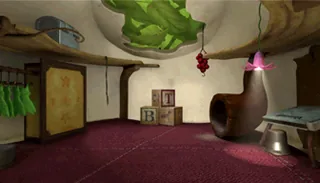 Mapas
Sitio web e investigación de los juegos por 101Leafy.
Historia: el viaje de Tinker Bell
Texto de Historia: el viaje de Tinker Bell de Campanilla y el Tesoro Perdido: 79 líneas en Inglés, Francés, Alemán, Español, Italiano, Neerlandés, Japonés.
- Escena 1
- Escena 2
- Escena 3
- Escena 4
- Escena 5
- Escena 6
- Escena 7
- Escena 8
- Escena 9
- Escena 10
- Escena 11
- Escena 12
- Escena 13
- Escena 14
- Escena 15
- Escena 16
- Escena 17
- Escena 18
- Escena 19
- Escena 20
- Escena 21
- Escena 22
- Escena 23
- Escena 24
- Escena 25
- Escena 26
- Escena 27
- Escena 28
- Escena 29
- Escena 30
- Escena 31
- Escena 32
- Escena 33
- Escena 34
- Escena 35
- Escena 36
- Escena 37
- Escena 38
Escena 1
- 1Campanilla
Bueno, veamos...
- Inglés
- Okay now, let's see...
- Francés
- Alors, voyons voir...
- Alemán
- Okay, mal sehen...
- Italiano
- Bene, vediamo un po'...
- Neerlandés
- Oké, 'ns even kijken...
- Japonés
- さぁ、めざすは きたのしまよ!コンパスも つんだし、まよわず いけるわね。
Escena 2
- 2Campanilla
¿Eh? ¿Qué ha sido eso?
- Inglés
- Huh!? What was that?
- Francés
- Tiens !? Qu'est ce que c'est ?
- Alemán
- Huch? Was war das?
- Italiano
- Eh?!? Cos'è stato?
- Neerlandés
- Huh!? Wat was dat?
- Japonés
- いまのなに?びっくりしたわ…
Escena 3
- 3Campanilla
Fuera. Fuera. ¡Fuera! Vete a buscar a tus amigos.
- Inglés
- Out. Out. Shoo! Go find your friends.
- Francés
- Allez. Ouste. Dehors ! Va voir tes amis.
- Alemán
- Raus. Raus. Husch! Geh deine Freunde suchen.
- Italiano
- Via! Via! Sciò! Vai con i tuoi amici.
- Neerlandés
- Weg. Weg. Ksst! Ga je vriendjes zoeken.
- Japonés
- あなた、なに?ぶれいな ホタルね…しっ、でていって。
Escena 4
- 4Campanilla
No, no necesito ayuda. Sí, estoy segura.
- Inglés
- No, I don't need any help. Yes, I am sure.
- Francés
- Je n'ai pas besoin d'aide. Oui, j'en suis sûre.
- Alemán
- Nein, ich brauche keine Hilfe. Ja, ganz sicher.
- Italiano
- No, non mi serve aiuto. Sì, sono sicura.
- Neerlandés
- Nee, ik heb geen hulp nodig. Ja, ik weet het zeker.
- Japonés
- ついてこないで。たすけは いらないの。
Escena 5
- 5Campanilla
¡Ohhh, de acuerdo! Puedes quedarte... de momento.
- Inglés
- Ohhhh, all right! You can stay... for now.
- Francés
- Ohhhh, c'est bon ! Tu peux rester... un peu.
- Alemán
- Ohhh, ach so! Du kannst bleiben... erst einmal.
- Italiano
- Ahhh... e va bene! Puoi restare... per ora.
- Neerlandés
- Oh, oké! Blijf dan maar... eventjes.
- Japonés
- ああもう、わーーーーかったわよ!いっしょに いきましょう。
- 6Campanilla
¿Te llamas Fuego? Hum, ¡es un nombre de chico duro!
- Inglés
- Your name is Blaze? Hm, kind of a tough guy name!
- Francés
- Tu t'appelles Flambeau ? C'est un prénom de gros dur !
- Alemán
- Du heißt Blaze? Hm, klingt nach einem starken Kerl!
- Italiano
- Ti chiami Fiamma? Però, che nome da duro!
- Neerlandés
- Je heet Vlam? Hm, best een stoere naam!
- Japonés
- あなた、なまえは…ブレイズ?そう…つよそうな なまえね!
Escena 6
- 7Narrador
Campanilla y Fuego siguen su camino en el globo.
- Inglés
- Tink and Blaze continued onward in the balloon.
- Francés
- Clochette et Flambeau poursuivent leur chemin dans le ballon.
- Alemán
- Tink und Blaze fuhren mit dem Ballon weiter.
- Italiano
- Trilli e Fiamma proseguirono nel pallone.
- Neerlandés
- Tink en Vlam vlogen verder in de luchtballon.
- Japonés
- ブレイズと ともに ききゅうせんでとびつづけた ティンカー・ベルは、
- 8Narrador
Campanilla ve lo que parece un arco y se acerca a investigar.
- Inglés
- Tink saw what looked like an arch and left the balloon to investigate.
- Francés
- Clochette remarque une arche et descend pour enquêter.
- Alemán
- Tink sah etwas, das wie ein Bogen aussah, und verließ den Ballon.
- Italiano
- Trilli vide una specie di arco e uscì dal pallone per investigare,
- Neerlandés
- Tink zag een soort boog en verliet de ballon om 'm te onderzoeken.
- Japonés
- きりの さきに アーチのような ものをみつけて、ききゅうせんを おりました。
- 9Narrador
Pero Campanilla se ha equivocado...
- Inglés
- But Tink was mistaken...
- Francés
- Mais Clochette s'est trompée...
- Alemán
- Aber sie hatte sich getäuscht...
- Italiano
- ma si sbagliava...
- Neerlandés
- Maar Tink vergiste zich...
- Japonés
- ティンカー・ベルは、これがいしのアーチだと おもったのです。
Escena 7
- 10Campanilla
¡Debía ser un arco de piedra, no un arco de ramas torcidas!
- Inglés
- This is supposed to be a rock arch! Not a twisty, branchy tree arch!
- Francés
- Cette arche est censée être en pierres ! Pas en branches tordues !
- Alemán
- Es sollte ein Felsbogen sein! Kein verästelter Baumbogen!
- Italiano
- Dovrebbe essere un arco di pietra! Non un intreccio di rami!
- Neerlandés
- Het moet een stenen boog zijn! En geen kronkelige takkenboog!
- Japonés
- ちがう!これは いしのアーチじゃない!
Escena 8
- 11Campanilla
Fuego, ahora no... ¿Qué ocurre?
- Inglés
- Blaze, not now... What has gotten into you?
- Francés
- Flambeau, ce n'est pas le moment... Qu'est ce qui te prend ?
- Alemán
- Blaze, nicht jetzt ... Was ist mit dir los?
- Italiano
- Fiamma, non ora... Che cosa ti è preso?
- Neerlandés
- Vlam, niet nu... wat heb jij ineens?
- Japonés
- ブレイズ、いったい なにが あったの?
- 12Campanilla
¿El globo ha desaparecido? ¿Y ahora me lo dices? ¡Debemos encontrarlo!
- Inglés
- The balloon is gone!? Why didn't you warn me!? We have to find it.
- Francés
- Le ballon s'est envolé !? Il fallait m'avertir ! Il faut le retrouver.
- Alemán
- Der Ballon ist weg? Und du sagst nichts? Wir müssen ihn finden.
- Italiano
- Il pallone è sparito? Perché non mi hai avvisata?!? Dobbiamo ritrovarlo!
- Neerlandés
- Waarom waarschuw je me niet dat de ballon weg is!? Waar is 'ie?
- Japonés
- …ききゅうせんが かぜで ながされて いった!?たいへん、さがしに いかなきゃ!
Escena 9
- 13Campanilla
¡Fuego!
- Inglés
- Blaze!
- Francés
- Flambeau !
- Alemán
- Blaze!
- Italiano
- Fiamma!
- Neerlandés
- Vlam!
- Japonés
- ブレイズ!
Escena 10
- 14Campanilla
¿Eh? Creo... que me he quedado dormida.
- Inglés
- Huh!? I... must have been asleep...
- Francés
- Quoi !? J'ai dû... m'endormir...
- Alemán
- Hm? Ich... muss wohl eingeschlafen sein...
- Italiano
- Eh?!? Devo... essermi addormentata...
- Neerlandés
- Huh!? Ik... moet in slaap gevallen zijn...
- Japonés
- ハッ!? そうだ、わたし…かぜに とばされて きを うしなって…
- 15Campanilla
Fuego, ¿dónde estás? ¡Fuego!
- Inglés
- Blaze, where are you!? Blaze!
- Francés
- Flambeau, où es-tu ? Flambeau !
- Alemán
- Blaze, wo bist du? Blaze!
- Italiano
- Fiamma, dove sei?!? Fiamma!
- Neerlandés
- Vlam, waar ben je!? Vlam!
- Japonés
- …ブレイズが いないわ! もしかして、かぜで とばされて…どこにいるの!?
Escena 11
- 16Campanilla
Oh, no... ¡Me he quedado sin polvo de hada! Tendré que ir caminando.
- Inglés
- Oh no... I'm out of pixie dust! Looks like I'll be walking from here.
- Francés
- Oh non... Plus de poussière de fée ! Il va falloir marcher.
- Alemán
- Oh nein... kein Feenglanz mehr. Dann muss ich wohl zu Fuß weiter.
- Italiano
- Oh, no... Ho finito la Polvere Magica! Da qui in avanti dovrò camminare.
- Neerlandés
- Oh, nee... ik heb geen elfenstof meer! Nu moet ik lopen.
- Japonés
- ああ…もう、ようせいのこなが ないんだわ。ここから さきは あるいて いかなきゃ。
Escena 12
- 17Campanilla
¡Me alegro tanto de que estés bien, Fuego!
- Inglés
- Thank goodness you're all right, Blaze!
- Francés
- Quelle chance, tu n'as rien, Flambeau !
- Alemán
- Gott sei Dank, dir geht es gut, Blaze!
- Italiano
- Fiamma! Grazie al cielo stai bene!
- Neerlandés
- Gelukkig is alles in orde met je, Vlam!
- Japonés
- よかった、ブレイズ。ぶじだったのね。
- 18Campanilla
Perdí el globo y me quedé sin polvo de hada. ¿Qué he hecho?
- Inglés
- I lost my balloon. I lost my pixie dust. What have I done?
- Francés
- Je n'ai plus ni poussière de fée ni ballon. Pourquoi moi ?
- Alemán
- Ich hab meinen Ballon und meinen Feenglanz verloren. Oje!
- Italiano
- Ho perso il pallone e la polvere magica. Come ho fatto?
- Neerlandés
- Ik ben mijn luchtballon kwijt. Mijn stof is op. Hoe kan dat nou?
- Japonés
- でも、ききゅうせんも ようせいのこなもぜんぶ なくしちゃったわ…
Escena 13
- 19Campanilla
¿Qué? ¿Llamaste a tus amigos para que nos ayudaran, Fuego?
- Inglés
- What's this? Did you call some friends for help, Blaze?
- Francés
- Tiens ? Tu as appelé du renfort, Flambeau ?
- Alemán
- Was ist das? Hast du Freunde um Hilfe gerufen, Blaze?
- Italiano
- Che succede? Fiamma, hai chiamato qualche amico per aiutarci?
- Neerlandés
- Wat? Heb je je vrienden om hulp gevraagd, Vlam?
- Japonés
- まぁ、たすけを よんで くれたの?ありがとう、ブレイズ。
Escena 14
- 20Campanilla
Eh, chicos. Nos hemos perdido. ¿Habéis visto un arco de piedra?
- Inglés
- Hey guys, we're lost. Have you seen a stone arch around here?
- Francés
- Salut, nous sommes perdus. Y a-t-il une arche de pierre ici ?
- Alemán
- Hey, wir haben uns verirrt. Habt ihr ein steinernes Tor gesehen?
- Italiano
- Ehi! Ci siamo persi. Avete visto un arco di pietra, da queste parti?
- Neerlandés
- Hé, jongens, hebben jullie hier ergens een stenen boog gezien?
- Japonés
- ねぇ、わたしたち まいごに なっちゃって…いしのアーチまで あんないしてくれない?
Escena 15
- 21Campanilla
¡Mi brújula!
- Inglés
- My compass!
- Francés
- Ma boussole !
- Alemán
- Mein Kompass!
- Italiano
- La mia bussola!
- Neerlandés
- Mijn kompas!
- Japonés
- わたしの コンパス!
Escena 16
- 22Campanilla
¡Ay! Es un trasto afilado. Terence...
- Inglés
- Ouch. That is a sharp thingy. Terence...
- Francés
- Aïe. Ça c'est un truc pointu. Terence...
- Alemán
- Autsch. Das ist ein spitzes Ding. Terence...
- Italiano
- Ahia! È affilata. Terence...
- Neerlandés
- Au. Dat is een scherp dingetje. Timo...
- Japonés
- テレンスの いった とおり だったわ。これは…とがって いるわね。
Escena 17
- 23Campanilla
El arco de piedra. ¡Fuego, lo hemos conseguido! ¡Estamos aquí!
- Inglés
- The stone arch. Blaze, hey, we made it! We're here!
- Francés
- L'arche de pierre. On a réussi, Flambeau ! Nous y sommes !
- Alemán
- Das steinerne Tor. Blaze, wir haben es gefunden. Wir sind da!
- Italiano
- L'arco di pietra! Ehi, Fiamma! Ce l'abbiamo fatta, siamo arrivati!
- Neerlandés
- De stenen boog. Vlam, we zijn er! Het is gelukt!
- Japonés
- あれは、いしのアーチよ!やったわ、ついに ここまで きたのね。
- 24Campanilla
Vamos. ¡El barco naufragado no puede estar demasiado lejos!
- Inglés
- C'mon. The shipwreck can't be too far now!
- Francés
- Viens. L'épave ne doit plus être loin !
- Alemán
- Komm schon. Das Schiffswrack kann nicht mehr weit weg sein!
- Italiano
- Forza! Il relitto non può essere troppo lontano!
- Neerlandés
- Kom op. Dat scheepswrak moet hier in de buurt zijn.
- Japonés
- さぁ、ブレイズ いきましょう。このさきに かいぞくせんが あるはずよ!
Escena 18
- 25Tall Troll
¡Ejem!
- Inglés
- Ahem!
- Francés
- Hum, hum !
- Alemán
- Ähem!
- Italiano
- Ehm!
- Neerlandés
- Ahem!
- Japonés
- トロールのはしは、 だれも とおさ~ん!
Escena 19
- 26Tall Troll
¡Ejem!
- Inglés
- Ahem!
- Francés
- Hum, hum !
- Alemán
- Ähem!
- Italiano
- Ehm!
- Neerlandés
- Ahem!
- Japonés
- トロールのはしは、 だれも とおさ~ん!
- 27Small Troll
¡Eh! ¡Ahora me toca a mí dar la inquietante noticia!
- Inglés
- Hey! It's my turn to give the ominous warning!
- Francés
- Hé, c'est mon tour de lancer les sombres menaces !
- Alemán
- Hey! Jetzt bin ich dran mit der bedrohlichen Warnung!
- Italiano
- Ehi! Tocca a me lanciare un cattivo presagio!
- Neerlandés
- Het is mijn beurt om de onheil- spellende waarschuwing te geven.
- Japonés
- おい、おい、おい…ぶきみな けいこくをいうのは ワシの ばん…
- 28Tall Troll
¡No lo harás, gnomo de jardín!
- Inglés
- No it's not, you garden gnome!
- Francés
- Mais non tu rêves, espèce de nain de jardin !
- Alemán
- Nein, bist du nicht, du Gartenzwerg!
- Italiano
- Invece no, brutto nano da giardino!
- Neerlandés
- Nee, dat is niet zo, tuinkabouter!
- Japonés
- ちがうぞ!コドモみたいな ことを いうなよ!
- 29Small Troll
¿Gnomo de jardín?
- Inglés
- G-garden gnome?
- Francés
- Nain... de... jardin ?!
- Alemán
- G-Gartenzwerg?
- Italiano
- Na... Nano da giardino?
- Neerlandés
- T-tuinkabouter?
- Japonés
- コ、コドモって いったな!ひどいよ、まほうの ことばを いってくれ!
- 30Tall Troll
Oh, chispas. Me... he pasado. Lo siento.
- Inglés
- Oh dear. I... I crossed the line. I'm sorry.
- Francés
- Oh, mince. Je... J'ai parlé trop vite. Je suis désolé.
- Alemán
- Mein Gott. Ich...ich bin zu weit gegangen. Tut mir leid.
- Italiano
- Oh! Ho... Ho esagerato. Ti chiedo scusa.
- Neerlandés
- Oh, hemeltje... nu ben ik te ver gegaan. Het spijt me.
- Japonés
- ああ、なんて ひどいことを…きいてくれ、まほうの ことばだよ。「ごめんな。」
- 31Small Troll
¡Has dicho las palabras mágicas! Así que... ¡te perdono!
- Inglés
- The magic words! You said them! Well, then... I forgive you.
- Francés
- Les mots magiques ! Tu les as prononcés ! Bien, je te pardonne.
- Alemán
- Die Zauberworte! Du hast sie gesagt! Na gut... Ich verzeihe dir.
- Italiano
- Hai pronunciato le parole magiche! Beh... Allora ti perdono.
- Neerlandés
- De magische woorden. Je hebt ze gezegd. Dus... ik vergeef je.
- Japonés
- よかった…まほうの ことばだ!なかなおり しよう、また ともだちだ!
- 32Tall Troll
Ah, ¡eres el mejor! Ven aquí, amigo.
- Inglés
- Ah, you're the best! Come here, buddy.
- Francés
- Oh, t'es le meilleur ! Viens là, mon pote.
- Alemán
- Ah, du bist der Beste! Komm her, Kumpel.
- Italiano
- Sei il migliore! Vieni qui, amico!
- Neerlandés
- Ah, je bent de bovenste beste! Kom hier, maatje.
- Japonés
- そうとも、おれたち だいしんゆう!おまえは さいこう!
- 33Campanilla
¡Esa palabra es realmente mágica! Hace un momento discutían y ahora
- Inglés
- That word really is magic! They were just fighting, but now they're
- Francés
- Ce monde est vraiment magique ! Ils étaient en train de se disputer
- Alemán
- Dieses Wort ist wirklich ein Zauber! Sie haben gestritten, aber jetzt
- Italiano
- Sono parole davvero magiche, stavano litigando e invece ora sono
- Neerlandés
- Die woorden zijn echt magisch! Net waren ze nog aan het vechten,
- Japonés
- ケンカしてたのに、なかよく なったわ。まほうの ことばって すごい!
- 34Campanilla
vuelven a ser amigos. Se han olvidado de mí. ¡Es mi oportunidad!
- Inglés
- friends again! Looks like they forgot about me. Now's my chance!
- Francés
- et maintenant ils sont les meilleurs amis du monde. Je tiens ma chance !
- Alemán
- sind sie wieder Freunde! Sie haben mich vergessen. Das ist die Chance!
- Italiano
- di nuovo amici! Devo approfittarne adesso che mi ignorano!
- Neerlandés
- nu zijn ze weer dikke vriendjes. Ze zijn mij vergeten. Dit is m'n kans!
- Japonés
- …わたしの ことも わすれちゃった みたい。いまのうちに とおれそうだわ。
Escena 20
- 35Campanilla
¡El barco pirata de la historia de Lyria!
- Inglés
- The pirate ship from Lyria's tale!
- Francés
- Le bateau pirate du conte de Lyria !
- Alemán
- Das gesunkene Schiff aus Lyrias Geschichte!
- Italiano
- La nave pirata della storia di Lyria!
- Neerlandés
- Het piratenschip uit Lyria's verhaal!
- Japonés
- あれが リリアの いっていた かいぞくせん!
- 36Campanilla
Tenemos que encontrar el espejo y arreglar la piedra lunar. ¡Adelante!
- Inglés
- Okay! We have to find that mirror and fix the moonstone. Let's go.
- Francés
- Bon, nous devons trouver le miroir et réparer la pierre de lune.
- Alemán
- Gut! Wir müssen den Spiegel finden und den Mondstein reparieren. Los.
- Italiano
- Bene! Ora troviamo lo specchio e ripariamo la Pietra di Luna.
- Neerlandés
- Oké, we moeten die spiegel vinden en de maansteen maken.
- Japonés
- さぁ、あそこから インカンタのかがみをみつけだして、つきのいしを なおさなきゃ!
Escena 21
- 37Campanilla
¡Mira, Fuego!
- Inglés
- Look, Blaze!
- Francés
- Flambeau, regarde !
- Alemán
- Schau mal, Blaze!
- Italiano
- Fiamma, guarda!
- Neerlandés
- Kijk, Vlam!
- Japonés
- みて、ブレイズ!かべに おおきな ふくろが ある。
Escena 22
- 38Campanilla
Tiene que estar por aquí. Vamos, ¡ayúdame a buscarlo!
- Inglés
- It's got to be in here somewhere. Come on, help me look!
- Francés
- Ça doit être par ici. Viens m'aider à chercher !
- Alemán
- Er muss hier irgendwo sein. Komm schon, hilf mir suchen!
- Italiano
- Dev'essere qui, da qualche parte. Aiutami a cercare!
- Neerlandés
- Het moet hierbinnen ergens zijn. Kom op, help me zoeken.
- Japonés
- きっと ここに あるはずよ。さがすのを てつだって!
Escena 23
- 39Campanilla
¡Mi deseo no se ha cumplido! ¿Dónde estará el verdadero espejo?
- Inglés
- My wish...didn't come true. This must be fake. Where's the real one?
- Francés
- Mon souhait ne s'est pas réalisé... C'est un faux. Où est le vrai ?
- Alemán
- Mein Wunsch... hat sich nicht erfüllt. Ist das der echte Spiegel?
- Italiano
- Il mio desiderio... non si è avverato. Sarà falso. Ma dov'è quello vero?
- Neerlandés
- Mijn wens... is niet uitgekomen. Deze is nep. Waar is de echte?
- Japonés
- ねがいが、かなわない…おかしいわ。これ…にせものね! ほんものは どこ?
Escena 24
- 40Campanilla
Vale, respira hondo. Solo tenemos un intento. Vamos allá.
- Inglés
- Okay, deep breath. Only get one shot at this. Here it goes.
- Francés
- Ok, respire. Il ne faut pas manquer cette chance. Allez.
- Alemán
- Okay, tief durchatmen. Ich habe nur einen Versuch. Dann mal los.
- Italiano
- Fai un bel respiro... Hai una sola possibilità. Ci siamo.
- Neerlandés
- Oké, diep inademen en con- centreren. Ik heb maar één kans.
- Japonés
- オーケー、しんこきゅうして。ねがいは 1どだけ…さぁ、いくわよ。
- 41Narrador
Fuego susurra cerca y Campanilla desea que calle un rato...
- Inglés
- But as Blaze buzzes close by, Tink wishes he'd be quiet for a minute...
- Francés
- Flambeau vrombit tout près et Clochette lui pria de se taire...
- Alemán
- Als Blaze vorbeischwirrt, wünscht sich Tink, dass er still wäre...
- Italiano
- Intanto Fiamma ronzava vicino a Trilli e lei sperò che facesse silenzio...
- Neerlandés
- Maar terwijl Vlam rondzoemt, wenst Tink dat hij stil is...
- Japonés
- ティンカー・ベルは、まず ブレイズに「しずかにして」と いいました。
- 42Narrador
... ¡Sin darse cuenta, ha utilizado su único deseo!
- Inglés
- ...and uses up her only wish, though she didn't mean to!
- Francés
- ... en utilisant ainsi son unique vœu sans le vouloir !
- Alemán
- ... und verbraucht ihren einzigen Wunsch, ohne es zu wollen!
- Italiano
- ... usando così l'unico desiderio, seppure involontariamente!
- Neerlandés
- ...en verbruikt zo haar enige wens, helemaal per ongeluk.
- Japonés
- すると インカンタのかがみは、その おねがいを かなえて しまったのです。
- 43Narrador
Campanilla se aferra desesperada al espejo.
- Inglés
- Tink desperately clasps the mirror.
- Francés
- Clochette serre le miroir de toutes ses forces.
- Alemán
- Tink umklammert verzweifelt den Spiegel.
- Italiano
- Trilli afferrò disperatamente lo specchio.
- Neerlandés
- Tink klampt zich wanhopig vast aan de spiegel.
- Japonés
- ティンカー・ベルは、ショックを うけて しまいました。
- 44Narrador
La única posibilidad de arreglar la piedra lunar se ha esfumado...
- Inglés
- Her only way of fixing the moonstone is lost...
- Francés
- Elle n'a plus aucun moyen de réparer la pierre de lune...
- Alemán
- Es gibt keine Möglichkeit mehr, den Mondstein zu reparieren...
- Italiano
- La sua unica speranza di riparare la Pietra di Luna era svanita...
- Neerlandés
- Nu zal ze de maansteen nooit meer kunnen repareren...
- Japonés
- なぜなら、もう こわれた つきのいしをなおすことは できないのです…
Escena 25
- 45Campanilla
¿¡Terence!? ¡Estás aquí! ¿Cómo...? ¿Cómo has...?
- Inglés
- Terence!? You're really here! How - how did you...
- Francés
- Terence !? Tu es vraiment là ! Comment as-tu...
- Alemán
- Terence? Du bist wirklich hier! Wie, wie bist du...?
- Italiano
- Terence?!? Sei davvero qui! Ma... Ma come hai fatto...?
- Neerlandés
- Timo!? Je bent er echt! Hoe... hoe ben je...
- Japonés
- テレンス!?どうして ここに…
- 46Terence
Yo... "cogí prestado" un poco de polvo de hada. ¿Estás bien?
- Inglés
- I... 'borrowed' some extra pixie dust. Are you okay?
- Francés
- J'ai 'emprunté' un petit extra de poussière de fée. Tu vas bien ?
- Alemán
- Ich habe mir etwas Feenglanz "geliehen". Alles in Ordnung?
- Italiano
- Ho "preso in prestito" un po' di Polvere Magica. Stai bene?
- Neerlandés
- Ik heb wat extra elfenstof 'geleend'. Is alles oké met je?
- Japonés
- きみが しんぱいで たすけに きたんだ。その…ともだちだから。
- 47Campanilla
Sí... bueno, no. Lamento haberte tratado así. ¿Me perdonas?
- Inglés
- Yes... well, no. I am so sorry for how I treated you. Can you forgive me?
- Francés
- Oui... euh, non. Je suis désolée d'avoir été comme ça, pardon.
- Alemán
- Ja... nein. Ich habe dich so schlecht behandelt. Verzeihst du mir?
- Italiano
- Sì... Cioè, no. Mi dispiace per come ti ho trattato. Puoi perdonarmi?
- Neerlandés
- Ja... nee. Het spijt me dat ik zo naar tegen je deed. Vergeef je me?
- Japonés
- ねぇ、テレンス。まほうの ことばを きいて。「ごめんなさい」、おこったりして…
- 48Terence
Ya lo he hecho. Al fin y al cabo somos amigos, ¿no?
- Inglés
- I already have. After all, we're friends, right?
- Francés
- Tu es toute excusée. Après tout, on est amis, pas vrai ?
- Alemán
- Schon längst passiert. Wir sind doch Freunde, oder?
- Italiano
- Già fatto. Dopotutto siamo amici, no?
- Neerlandés
- Natuurlijk. We zijn tenslotte vriendjes.
- Japonés
- ティンク…うれしいよ!ぼくも わるかったよ、ごめんね。
Escena 26
- 49Campanilla
¡Oh, cielos! ¡Tenemos que salir de aquí ahora!
- Inglés
- Oh, no! Rats! We have to get out of here now!
- Francés
- Oh non ! Des rats ! Il faut sortir de là !
- Alemán
- Oh nein, Ratten! Wir müssen schnell raus hier!
- Italiano
- Oh, no! Topi! Dobbiamo andarcene subito di qui!
- Neerlandés
- Oh, nee, ratten! We moeten hier zien weg te komen!
- Japonés
- たいへん、ネズミだわ!いそいで にげましょう!
- 50Terence
¡Ahí está la salida!
- Inglés
- There's our way out!
- Francés
- Par ici la sortie !
- Alemán
- Da geht es nach draußen!
- Italiano
- Ecco l'uscita!
- Neerlandés
- Daar kunnen we naar buiten!
- Japonés
- あそこから にげよう!
Escena 27
- 51Terence
¡Aparqué fuera tu máquina voladora!
- Inglés
- I parked that flying machine of yours outside!
- Francés
- J'ai garé ton espèce de machine volante par-là !
- Alemán
- Ich habe die Flugmaschine draußen geparkt!
- Italiano
- Ho parcheggiato la tua macchina volante qui fuori!
- Neerlandés
- Ik heb die vliegmachine van je buiten geparkeerd!
- Japonés
- くるときに ききゅうせんを みつけてかいぞくせんの そとに おいてあるんだ。
Escena 28
- 52Narrador
¡Campanilla y Terence escapan finalmente del barco pirata!
- Inglés
- Finally, Tink and Terence escaped from the pirate ship!
- Francés
- Clochette et Terence s'échappent enfin du bateau !
- Alemán
- Endlich sind Tink und Terence aus dem Piratenschiff entkommen!
- Italiano
- Finalmente, Trilli e Terence fuggirono dalla nave pirata!
- Neerlandés
- Eindelijk ontsnappen Tink en Timo uit het piratenschip!
- Japonés
- こうして、ティンカー・ベルは ぶじにかいぞくせんから だっしゅつ しました。
- 53Narrador
Pero Campanilla no pudo desear que se arreglara la piedra lunar...
- Inglés
- But Tink was unable to wish the moonstone back...
- Francés
- Mais Clochette n'a pas pu faire son vœu...
- Alemán
- Aber Tink konnte sich nicht den Mondstein zurückwünschen...
- Italiano
- Trilli non era riuscita a riparare la Pietra di Luna...
- Neerlandés
- Maar het is Tink niet gelukt om de maansteen terug te wensen...
- Japonés
- しかし、インカンタのかがみで ねがいをかなえることは できませんでした。
- 54Narrador
¿Qué ocurrirá cuando vuelvan sin el cetro?
- Inglés
- What will happen when they return home with no scepter?
- Francés
- Que va-t-il se passer à leur retour, sans sceptre ?
- Alemán
- Was wird geschehen, wenn sie ohne Zepter nach Hause kommen?
- Italiano
- Che cosa sarebbe successo al loro ritorno, senza lo scettro?
- Neerlandés
- Wat zal er gebeuren als ze zonder scepter thuiskomen?
- Japonés
- つきのいしが こわれた ままで、せいなるつえは まにあうのでしょうか?
Escena 29
- 55Terence
Eh, Campanilla...
- Inglés
- Hey, Tink...
- Francés
- Hé, Clochette...
- Alemán
- Hey, Tink...
- Italiano
- Ehi, Trilli...
- Neerlandés
- Hé, Tink...
- Japonés
- ねぇ、ティンク。せいなるつえをかんせい させなきゃ ならないね。
- 56Terence
No sé si servirá de algo, pero he traído esto.
- Inglés
- I don't know if it will help, but I brought this.
- Francés
- Je ne sais pas si ça peut t'aider, mais regarde ce que j'ai amené.
- Alemán
- Ich weiß nicht, ob es hilft, aber ich habe das hier mitgebracht.
- Italiano
- Non so se può aiutarti, ma ho portato questo.
- Neerlandés
- Ik weet niet of je er iets aan hebt, maar ik heb dit meegenomen...
- Japonés
- こわれちゃった つえを いちおうもってきたけど どうする?
- 57Campanilla
¡Mi cetro! ¿Crees que podré fabricar algo a tiempo?
- Inglés
- My scepter! Do you think I could tinker something together in time?
- Francés
- Le sceptre ! Tu crois que je pourrai le bricoler à temps ?
- Alemán
- Mein Zepter! Meinst du, ich kann noch rechtzeitig etwas basteln?
- Italiano
- Il mio scettro! Credi che riuscirei a creare qualcosa in tempo?
- Neerlandés
- Mijn scepter! Denk je dat ik op tijd iets in elkaar kan knutselen?
- Japonés
- つきのいしが こわれた ままなの。これじゃ、せいなるつえは つくれないわ。
Escena 30
- 58Terence
¡Seguro! Y yo me mantendré alejado. Sé que necesitas tu espacio.
- Inglés
- Sure! And I'll stay out of your way. I know you need your space.
- Francés
- Évidemment ! Et je te laisserai tranquille. Il te faut du calme.
- Alemán
- Klar! Ich lasse dich in Ruhe. Du brauchst deinen Freiraum.
- Italiano
- Certo! E io mi terrò alla larga. So che hai bisogno del tuo spazio.
- Neerlandés
- Natuurlijk! En ik blijf uit de buurt. Ik weet dat je ruimte nodig hebt.
- Japonés
- なにか いい アイディアは ないかなぁ。
Escena 31
- 59Campanilla
No, Terence...
- Inglés
- No, Terence...
- Francés
- Non, Terence...
- Alemán
- Nein, Terence...
- Italiano
- No, Terence...
- Neerlandés
- Nee, Timo...
- Japonés
- …そうだ、つきのいしを バラバラのままつえに つけてみたら どうかしら?
- 60Campanilla
¡No puedo hacer esto sin ti! ¿Me ayudarás?
- Inglés
- I can't do this without you! Would you help me?
- Francés
- Je n'y arriverai pas sans toi ! Tu veux bien m'aider ?
- Alemán
- Ohne dich kann ich das nicht schaffen! Hilfst du mir?
- Italiano
- Non posso farcela senza di te! Ti andrebbe di aiutarmi?
- Neerlandés
- Ik kan dit niet zonder jou! Wil je me helpen?
- Japonés
- うまく いくかも しれないわ。テレンス、てつだって!
Escena 32
- 61Campanilla
¡Mira! ¡El cetro está listo! Oh, espero que funcione...
- Inglés
- There! The scepter is done! Oh, I hope it works...
- Francés
- Voilà ! Le sceptre est terminé ! Oh, j'espère qu'il fonctionne...
- Alemán
- Da! Das Zepter ist fertig! Oh, ich hoffe, es funktioniert...
- Italiano
- Ecco fatto! Lo scettro è finito! Spero che funzioni...
- Neerlandés
- De scepter is klaar! Oh, ik hoop dat hij het doet...
- Japonés
- ついに かんせい したわ!これが、ことしの せいなるつえよ!
- 62Terence
¡Tiene que hacerlo! Ojalá lleguemos a tiempo para el festival.
- Inglés
- It has to! Now if we can just make it to the revelry in time...
- Francés
- Il vaudrait mieux ! Dépêchons-nous de nous rendre à la fête...
- Alemán
- Es muss! Jetzt müssen wir nur noch rechtzeitig zum Fest kommen...
- Italiano
- Deve funzionare! Se solo potessimo arrivare alla festa in tempo...
- Neerlandés
- Hij moet het doen! Nu moeten we nog op tijd zien te komen...
- Japonés
- やったね、ティンク! あとはおまつりに まにあうと いいんだけど…
Escena 33
- 63Rosetta
¿Dónde te habías metido? ¡Todos queremos ver el cetro!
- Inglés
- Where in carnation have you been? We all want to see the scepter!
- Francés
- Mais où étais-tu donc passée ? Nous voulons voir le sceptre !
- Alemán
- Wo warst du denn nur? Wir wollen alle das Zepter sehen!
- Italiano
- Per tutti i petali, dove eri finita? Vogliamo vedere lo scettro!
- Neerlandés
- Waar ben jij geweest? We wachten allemaal op de scepter!
- Japonés
- やっときたわね!どんな つえが できたのかしら。
Escena 34
- 64Fawn
¿Adónde fuiste con ese artefacto? ¡Nos tenías preocupados!
- Inglés
- Where did you fly off to in that contraption? You had us worried!
- Francés
- Où es-tu partie avec cet engin ? Nous étions morts d'inquiétude !
- Alemán
- Wohin bist du damit geflogen? Wir haben uns Sorgen gemacht!
- Italiano
- Dove sei volata con quell'affare? Ci hai fatto preoccupare!
- Neerlandés
- Waar vloog jij naartoe in dat gekke ding? We maakten ons zorgen!
- Japonés
- ききゅうせんで どこへ いってたの?あなたって いつも ハラハラさせるわ。
Escena 35
- 65Iridessa
¡Nos has asustado, Campanilla! ¡Creíamos que tu luz se apagaba!
- Inglés
- Tink! Don't scare us like that! We thought your light had gone out!
- Francés
- Clochette ! Tu nous as fait la peur de notre vie !
- Alemán
- Tink! Hast du uns erschreckt! Wir dachten, dein Licht wäre erloschen!
- Italiano
- Trilli! Ci hai spaventato! Pensavamo che la tua luce si fosse spenta!
- Neerlandés
- Tink! We dachten dat je licht was gedoofd!
- Japonés
- しんぱいしたわよ、もう。じかん ギリギリ なんだから!
Escena 36
- 66Silvermist
¡Oh, has vuelto! ¡Los nubarrones han desaparecido!
- Inglés
- Oh, you're back! The rainclouds have all gone away!
- Francés
- Oh, te voilà enfin ! Les nuages sont tous partis !
- Alemán
- Oh, du bist zurück! Die Regenwolken sind weg!
- Italiano
- Ah, sei tornata! I nuvoloni sono svaniti!
- Neerlandés
- Oh, je bent terug! De regenwolken zijn vertrokken!
- Japonés
- わたしたちの じゅんびは できてるわ。あなたの つえを まっていたのよ!
Escena 37
- 67Reina Clarion
Campanilla, al inicio de la estación te confié...
- Inglés
- Tinker Bell. At the beginning of the season you were entrusted...
- Francés
- Clochette. En début de saison nous vous avons confié...
- Alemán
- Tinkerbell. Zu Beginn der Jahreszeit wurde dir...
- Italiano
- Trilli. All'inizio della stagione, sei stata investita...
- Neerlandés
- Tinkelbel. Aan het begin van het seizoen heb ik je...
- Japonés
- ティンカー・ベル。あなたには、だいじなしごとを おねがいして あるはずです。
- 68Reina Clarion
... una gran responsabilidad. ¿Dónde está el cetro de otoño?
- Inglés
- ...with a great responsibility. Where is the Autumn Scepter?
- Francés
- ... une lourde responsabilité. Où est le sceptre d'automne ?
- Alemán
- ... viel Verantwortung übertragen. Wo ist das Herbstzepter?
- Italiano
- ... di una grande responsabilità. Dov'è lo scettro d'autunno?
- Neerlandés
- ...een belangrijke taak toever- trouwd. Waar is de herfstscepter?
- Japonés
- …せいなるつえは どこですか?
- 69Campanilla
Eh... Hubo ciertas... complicaciones. Pero ya está listo, alteza.
- Inglés
- Uhhh...there were... complications. But it's ready now, your highness.
- Francés
- J'ai eu de gros soucis, mais il est prêt, Votre Majesté.
- Alemán
- Ähm... es gab... Probleme. Aber jetzt ist es fertig, Eure Hoheit.
- Italiano
- Ehm... Ho avuto qualche problemino, ma ora è tutto risolto, altezza.
- Neerlandés
- Eh... er waren... complicaties. Maar hij is nu klaar, uwe majesteit.
- Japonés
- その…はなすと ながいのですが…でも、できました! じょうおうさま。
- 70Reina Clarion
Por aquí, querida.
- Inglés
- This way, dear.
- Francés
- Par ici, mon enfant.
- Alemán
- Hier entlang, meine Liebe.
- Italiano
- Da questa parte, mia cara.
- Neerlandés
- Deze kant op, liefje.
- Japonés
- では、つえを だいの うえに!
Escena 38
- 71Ministro del otoño
¡Majestad! ¡Nunca había visto tanto polvo de hada azul!
- Inglés
- Your Majesty! I've never seen this much blue pixie dust before!
- Francés
- Majesté ! Je n'ai jamais vu autant de poussière de fée bleue !
- Alemán
- Eure Majestät! Ich habe noch nie so viel blauen Feenglanz gesehen!
- Italiano
- Maestà! Non ho mai visto così tanta Polvere Magica blu in vita mia!
- Neerlandés
- Uwe majesteit! Ik heb nog nooit zoveel blauwe elfenstof gezien!
- Japonés
- じょうおうさま! これほど たくさんのあおいようせいのこなは はじめてです!
- 72Reina Clarion
Éste ha sido nuestro mejor festival... Gracias a Campanilla,
- Inglés
- I believe this is our finest revelry ever - thanks to Tinker Bell.
- Francés
- Voici sans doute notre plus belle fête, grâce à Clochette.
- Alemán
- Ich glaube, das ist das beste Fest aller Zeiten - dank Tinkerbell.
- Italiano
- Sarà la festa più bella di tutti i tempi... e solo grazie a Trilli.
- Neerlandés
- Dit is 't mooiste festival ooit... dankzij Tinkelbel.
- Japonés
- そうですね。ティンカー・ベルの おかげです。
- 73Reina Clarion
a su amigo Terence y a su nuevo amigo Fuego.
- Inglés
- And her friend Terence, and her new friend Blaze.
- Francés
- Et son ami Terence, sans oublier son nouveau compagnon Flambeau.
- Alemán
- Und ihrem Freund Terence und ihrem neuen Freund Blaze.
- Italiano
- Ah, già... E al suo amico Terence e al nuovo compagno Fiamma.
- Neerlandés
- En haar vriend Timo, en haar nieuwe vriend Vlam.
- Japonés
- それに かのじょの しんゆうテレンス、あたらしい ともだちの…ブレイズ。
- 74Reina Clarion
¡Debemos darles las gracias!
- Inglés
- We owe them all our thanks!
- Francés
- Nous les en remercions chaleureusement !
- Alemán
- Wir schulden ihnen unseren Dank!
- Italiano
- A loro vanno i nostri ringraziamenti!
- Neerlandés
- We moeten ze allemaal dankbaar zijn!
- Japonés
- かれらにも、かんしゃ しましょう。
- 75Ministro del otoño
¡Atención! ¡Vayamos todos a la Vista de Hondonada de las Hadas!
- Inglés
- All right, everyone. To the Pixie Dust Tree!
- Francés
- Eh bien, il est temps. Tous à la Vue de la Vallée des fées !
- Alemán
- Na gut, alle zusammen. Auf zum Ausblick auf das Tal der Feen!
- Italiano
- Molto bene! Ora tutti allo Scorcio della Radura Incantata!
- Neerlandés
- Oké, allemaal. Naar de Uitzicht Elfenvallei!
- Japonés
- それでは みんな、ようせいのこなのきに むかうのです!
- 76Narrador
Los mayores tesoros no son el oro, las joyas ni las obras de arte.
- Inglés
- The greatest treasures are not gold, nor jewels, nor works of art.
- Francés
- Les plus grands trésors ne sont ni or, ni bijoux, ni œuvres d'art.
- Alemán
- Die größten Schätze sind nicht Gold, Juwelen oder Kunstwerke.
- Italiano
- I tesori più preziosi non sono l'oro, i gioielli o le opere d'arte...
- Neerlandés
- De grootste schatten bestaan niet uit goud, juwelen, of kunstwerken.
- Japonés
- ほんとうに たいせつなもの…それは、おかねや、ほうせきでは ありません。
- 77Narrador
Tampoco pueden sujetarse en las manos. Solo se llevan en el corazón.
- Inglés
- They cannot be held in your hands... They're held within your heart.
- Francés
- On ne peut les tenir entre nos mains, car ils sont dans nos cœurs.
- Alemán
- Man kann sie nicht in den Händen halten... Man trägt sie im Herzen.
- Italiano
- ... ma quelli che non puoi tenere in mano, perché sono chiusi nel cuore.
- Neerlandés
- Je kunt ze niet vastpakken... je draagt ze mee in je hart.
- Japonés
- それは、あなたの こころに いつまでもとどまるもの…「ゆうじょう」なのです。
- 78Narrador
Las cosas mundanas desaparecen con el paso de las estaciones,
- Inglés
- For worldly things will fade away As seasons come and go...
- Francés
- Les biens matériels périssent avec le passage des saisons...
- Alemán
- Weltliche Dinge verblassen, wie die Jahreszeiten kommen und gehen...
- Italiano
- Gli oggetti terreni svaniranno con il passare del tempo...
- Neerlandés
- Wereldse schatten vervagen met het verstrijken der seizoenen...
- Japonés
- ほんものの ゆうじょうとは、たとえ うしなわれたように みえても、
- 79Narrador
pero el tesoro de la verdadera amistad no cesa de brillar.
- Inglés
- But the treasure of true friendship will never lose its glow.
- Francés
- Mais le trésor d'une vraie amitié est gagné pour de bon.
- Alemán
- Der Schatz echter Freundschaft aber verliert nie seinen Glanz.
- Italiano
- ... il tesoro di un'amicizia sincera non smetterà mai di risplendere.
- Neerlandés
- maar een schat zoals ware vriend- schap verliest zijn glans nooit.
- Japonés
- かならず とりもどすことが できる、あなただけの、たからもの なのです。